Materiał diagonal – co to jest, do czego służy i czy warto go wybrać?
Diagonal to popularna tkanina, najczęściej bawełniana, wyróżniająca się charakterystycznym skośnym splotem. Jest to materiał niezwykle ceniony w krawiectwie amatorskim i profesjonalnym za swoją wytrzymałość, miękkość i uniwersalność. Dowiedz się, dlaczego ten materiał to strzał w dziesiątkę dla Twoich projektów – od wytrzymałej odzieży, po stylowe akcesoria i dodatki DIY.
Materiał diagonal – co to jest?
Zacznijmy od podstaw, bo w świecie tkanin łatwo się pogubić.
Mówiąc najprościej, diagonal materiał to nie konkretny surowiec (jak bawełna czy len), ale przede wszystkim rodzaj splotu. To właśnie ten unikalny splot nadaje mu jego kultowe właściwości i charakterystyczny wygląd.
Czym charakteryzuje się splot diagonalny?
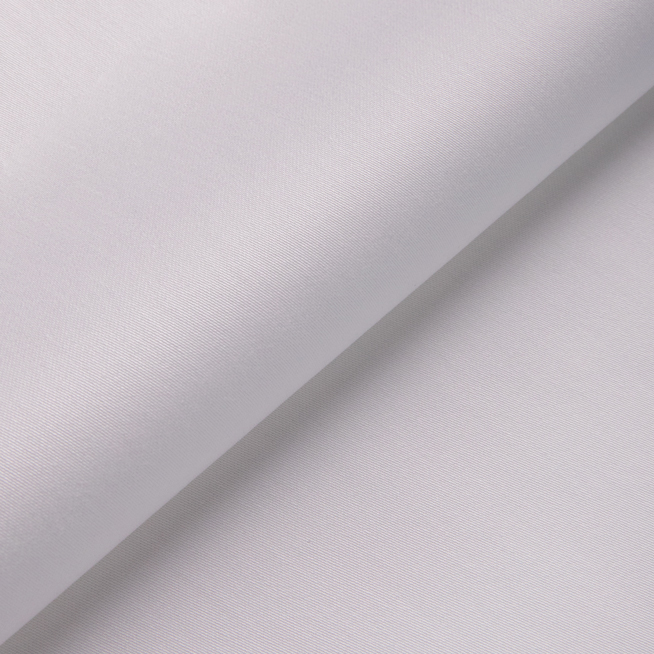
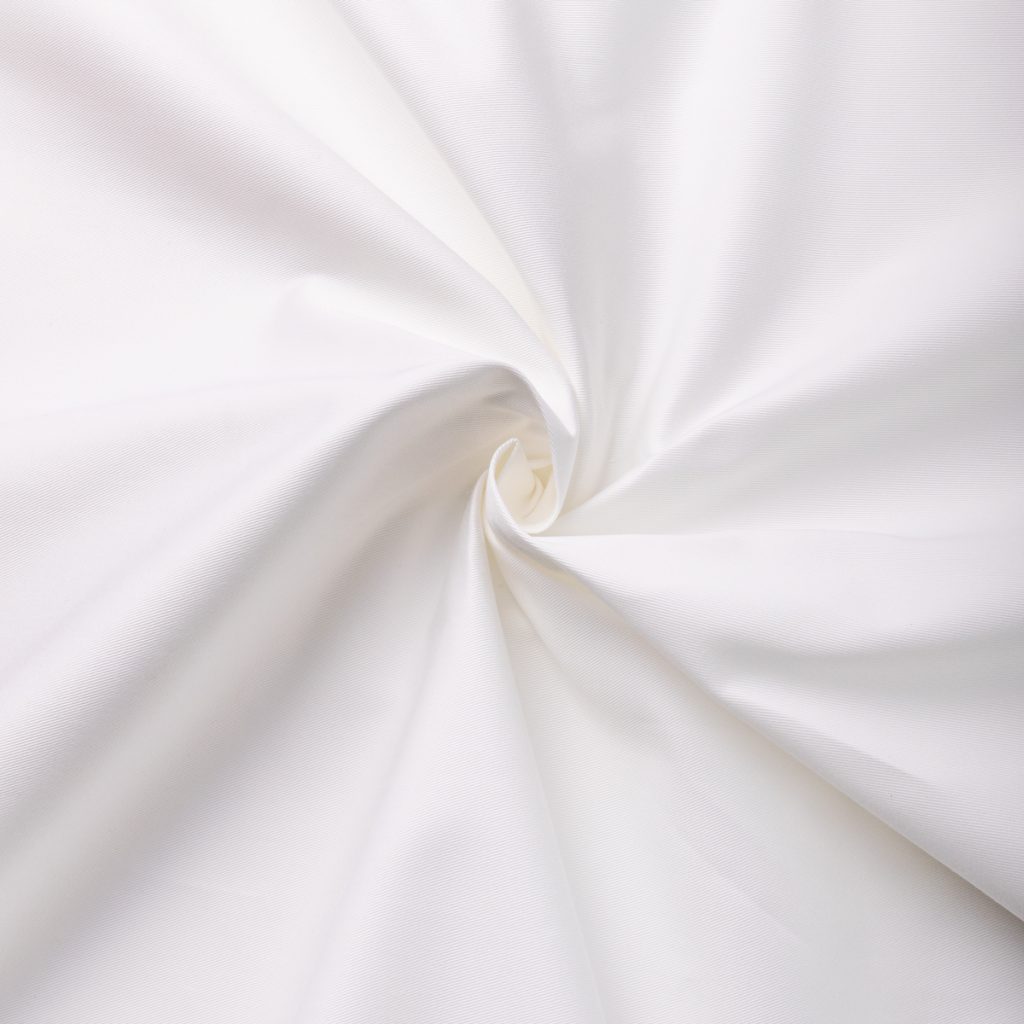
Tym, co od razu rzuca się w oczy, jest splot skośny (ang. twill weave). W odróżnieniu od splotu płóciennego, nitki osnowy i wątku przeplatają się w taki sposób, że na powierzchni materiału tworzą wyraźne, nachylone pod kątem linie. Wygląda to trochę jak wzór V lub jodełka, biegnący po skosie. To jak podpis, który odróżnia go od innych, bardziej „prostych” materiałów.
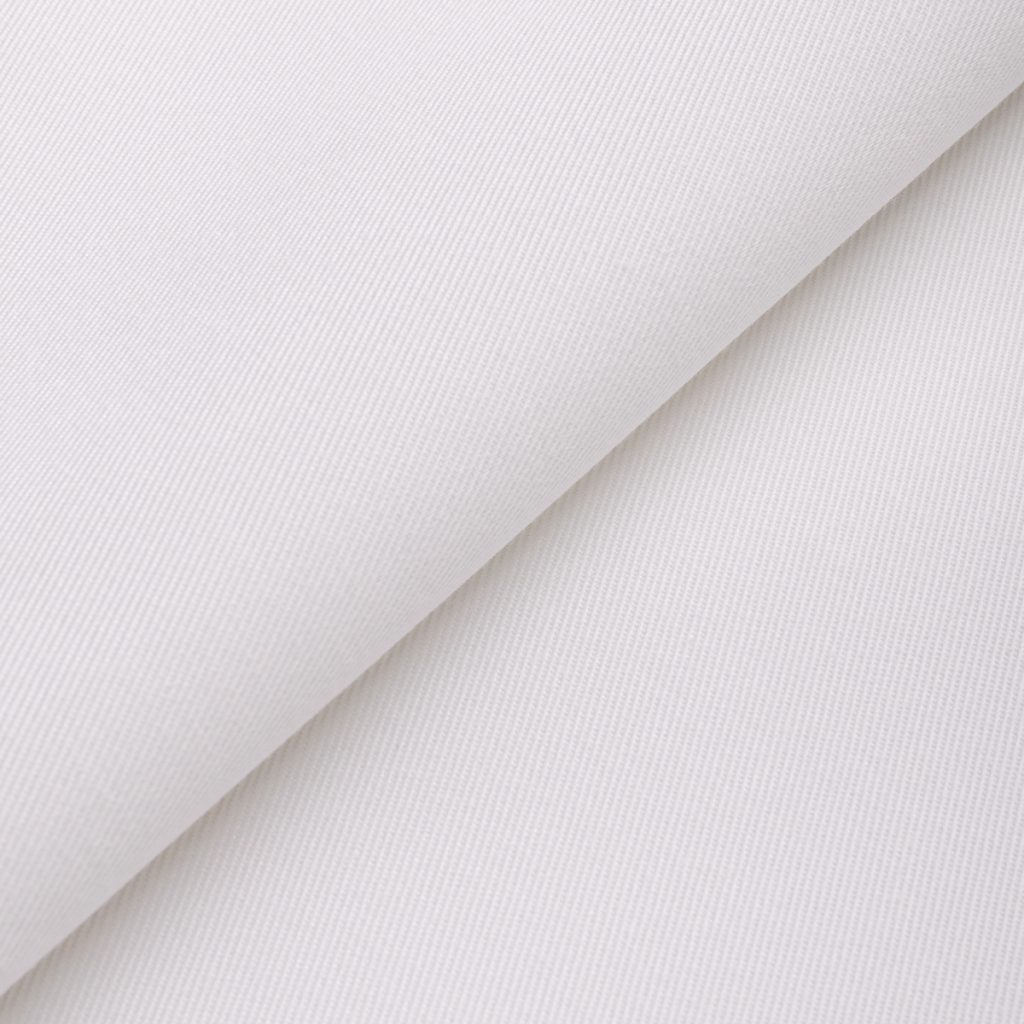
Inne nazwy: cotton twill, sergé i Twill
Warto wiedzieć, że na świecie tkanina ta jest szeroko znana pod anglojęzyczną nazwą cotton twill. W języku francuskim usłyszysz sergé, a w niemieckim po prostu Twill. Jeśli spotkasz którąś z tych nazw, wiedz, że mowa o naszym poczciwym diagonalu, najczęściej w wersji bawełna diagonalna.
Właściwości tkaniny diagonalnej
Dlaczego krawcowe (i krawcy!) tak bardzo lubią diagonal bawełniany? To zasługa niezwykle udanego połączenia cech praktycznych i wizualnych.
Wysoka wytrzymałość i trwałość
Przede wszystkim splot skośny sprawia, że materiał jest gęsty i zwarty.
Przekłada się to na jego wysoką wytrzymałość na przetarcia i zaciągnięcia. Mówiąc kolokwialnie – wytrzymuje próbę czasu, a częste pranie mu niestraszne!
Miękkość i układalność
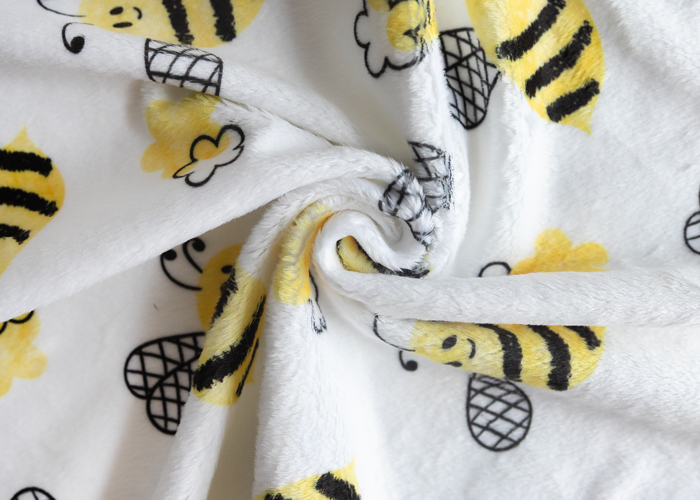
Mimo dużej trwałości, diagonal ma bardzo przyjemny chwyt i wyróżnia się dużą miękkością Nie jest tak surowy jak drelich i ładnie się układa, co czyni go idealnym materiałem na odzież i akcesoria.
Przewiewność bawełny diagonalnej
Ponieważ najczęściej mamy do czynienia z bawełną diagonalną, materiał zachowuje wszystkie pozytywne cechy naturalnego włókna. Jest przewiewny i przyjazny dla skóry.
Charakterystyczna tekstura i widoczny splot
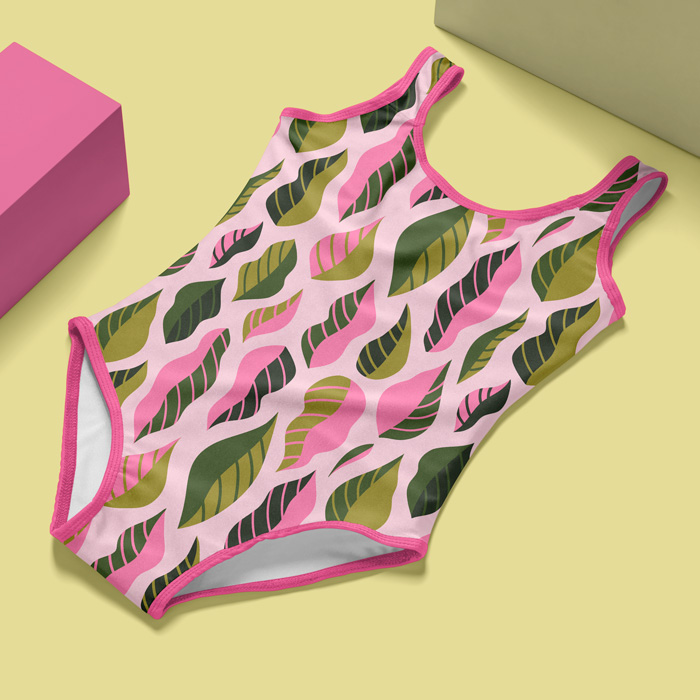
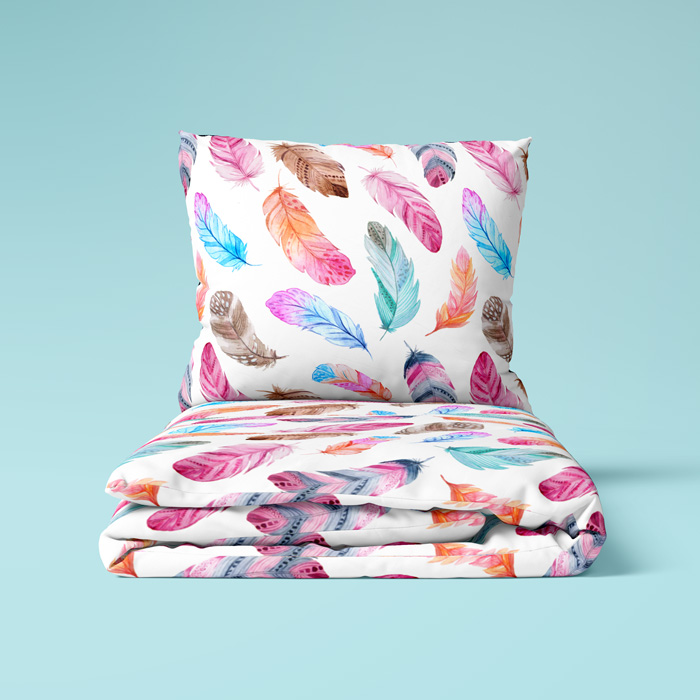
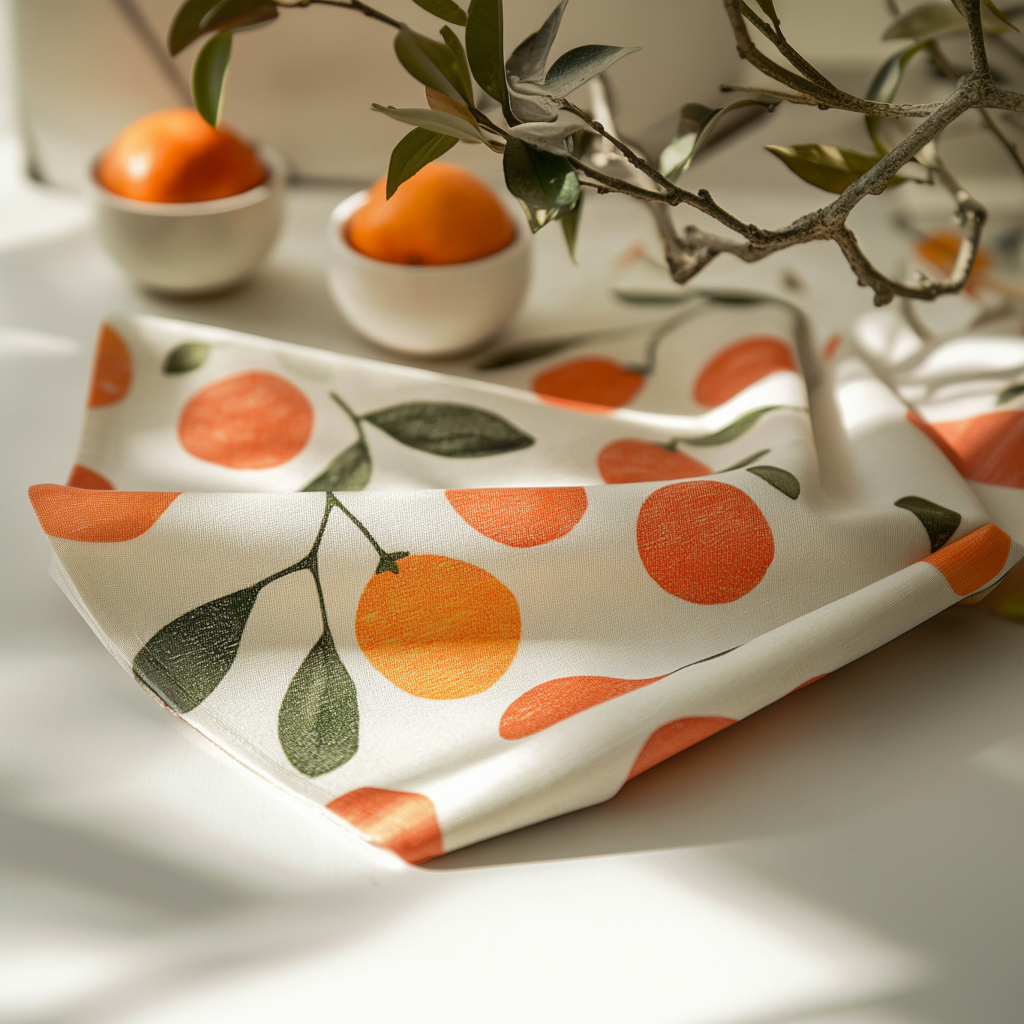
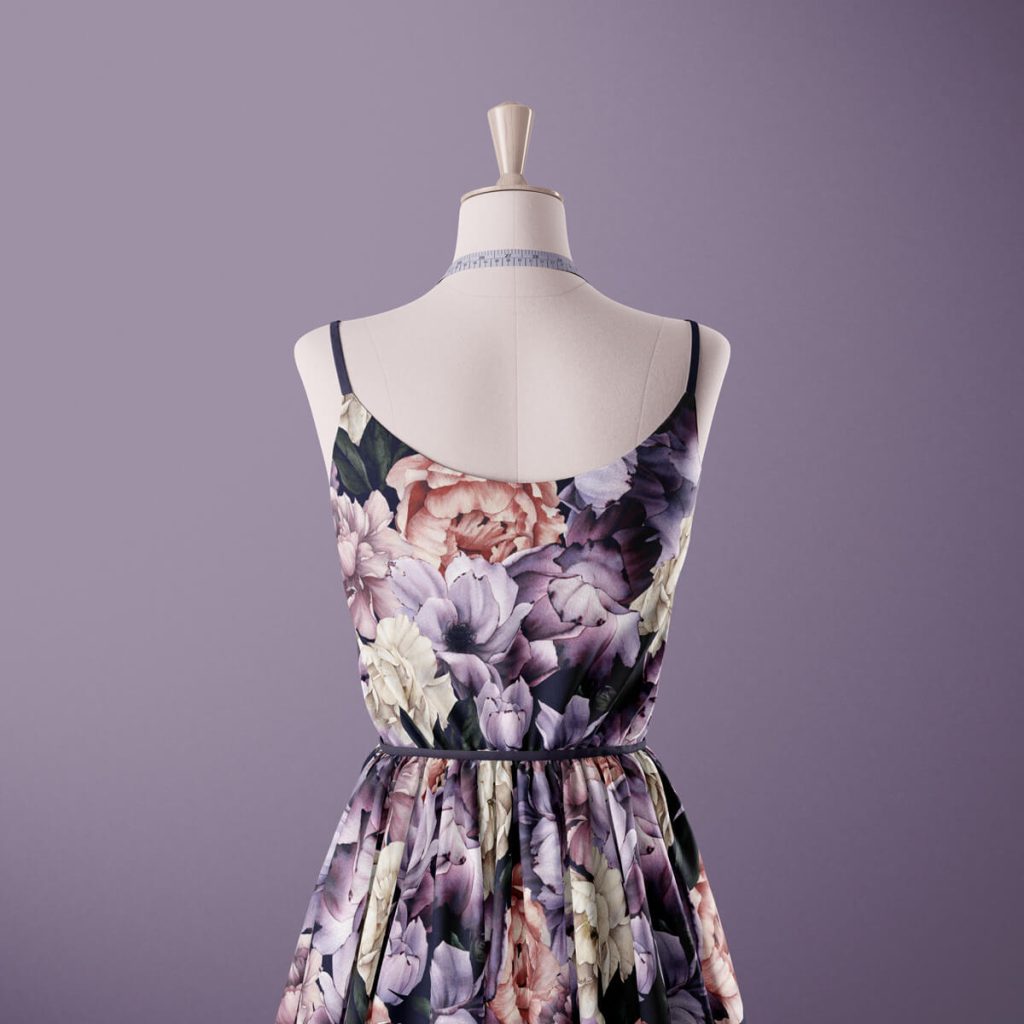
Na koniec trzeba wspomnieć, że splot ten jest bardzo widoczny (także po druku). Nawet na jednolitym lub drukowanym materiale skośne linie pozostają widoczne, dodając mu charakterystycznej tekstury.
Specyfikacja techniczna diagonalu
Aby ułatwić wybór, zebraliśmy kluczowe parametry techniczne tkaniny diagonalnej:
| Parametr | Typowe wartości | Uwagi |
| Typowe Gramatury | 200–300 g/m² | Klasyfikuje go jako materiał średnio-gruby. |
| Skład Włókna | Bawełna 100% | Często spotykane domieszki: elastan (dla elastyczności) lub poliester (dla większej trwałości). |
| Kurczliwość (przed dekatyzacją) | 3–8% | Wysoki wskaźnik. Dekatyzacja jest niezbędna! |
| Kurczliwość (po dekatyzacji) | Minimalna (poniżej 2%) | Po praniu wstępnym materiał staje się stabilny. |
| Szerokość Beli | Zwykle 140–160 cm | Typowa dla tkanin odzieżowych i dekoracyjnych. |
| Rozciągliwość | Brak | Typowa dla tkanin odzieżowych i dekoracyjnych. |
| Typ Splotu | Skośny (Twill) | Tworzy charakterystyczne, ukośne prążki. |
Porównanie: Diagonal czy gabardyna – co wybrać?
Krawieckie dylematy często sprowadzają się do wyboru między tkaninami o podobnych zastosowaniach. Czy Twój projekt wymaga gładkiej gabardyny, czy surowego denimu? Oto małe porównanie, które rozwieje wątpliwości.
Różnice między diagonalem a gabardyną
Gabardyna to materiał z reguły cieńszy, gęstszy i z dużo bardziej wyraźnym, czasem nawet połyskującym, ukośnym prążkiem. Linia splotu w gabardynie jest ostrzejsza. Diagonal jest często bardziej mięsisty, ma wyższą gramaturę, a linie splotu są delikatniejsze i mniej wypukłe. Jeśli szukasz czegoś na elegancki płaszcz, wybierz gabardynę. Jeśli na wygodne spodnie, postaw na diagonal.
Jaka jest różnica między diagonalem a denimem (jeansem)?
Denim to de facto też tkanina diagonalna, ale z jedną kluczową różnicą: jest barwiony na dwa kolory. Zazwyczaj nitka osnowy jest farbowana (np. na niebiesko), a nitka wątku pozostaje biała lub niebarwiona. To daje ten charakterystyczny, niejednolity, „jeansowy” wygląd.
Diagonal materiał jest zazwyczaj barwiony na jeden kolor lub ma naniesiony wzór, co sprawia, że ma jednolity odcień.
Diagonal a drelich/canvas
Drelich i canvas (płótno malarskie) używają splotu płóciennego lub bardzo prostego, gęstego splotu.
Są to materiały znane z dużej sztywności i wytrzymałości, ale często brakuje im miękkości, jaką oferuje diagonal. Drelich jest super gruby, canvas super sztywny, a diagonal to złoty środek: wytrzymały, ale jednocześnie przyjemny w dotyku.
Klasyczny diagonal a diagonal organiczny – poznaj różnice
Coraz częściej na rynku można spotkać określenie diagonal organiczny. Czy to oznacza, że ma inny splot? Absolutnie nie! Splot pozostaje ten sam, czyli jest skośny i wytrzymały.
Czym jest diagonal organiczny?
Różnica tkwi w źródle surowca. Bawełna organiczna oznacza, że rośliny były uprawiane bez użycia pestycydów, chemicznych nawozów i GMO. To wybór bardziej ekologiczny i bezpieczny dla alergików.
Certyfikaty do weryfikacji
Szukaj materiałów z certyfikatami, takimi jak GOTS (Global Organic Textile Standard), które potwierdzają, że cały łańcuch produkcji jest przyjazny środowisku.
Wybierając diagonal organiczny, dbasz zarówno o swoje zdrowie, jak i planetę.
Zalety i Wady materiału diagonal (Cotton Twill)
Wybór materiału zawsze wymaga świadomości jego mocnych i słabych stron.
Zalety
- Wyjątkowa Trwałość: Dzięki gęstemu splotowi skośnemu jest odporny na przetarcia.
- Miękkość i Przyjemny Chwyt: Mimo wytrzymałości, bawełna diagonalna jest miękka i dobrze się układa.
- Uniwersalność Zastosowania: Idealny na odzież, akcesoria, a także dodatki domowe.
- Łatwość Szycia: Stabilny, nie ślizga się, co czyni go doskonałym materiałem na start.
- Łatwość Pielęgnacji: Znosi częste pranie i jest łatwy do prasowania.
Wady
- Kurczliwość przed dekatyzacją: Ma naturalną tendencję do kurczenia się (nawet do 8%) przy pierwszym praniu.
- Mniejsza Elastyczność: Jest tkaniną nierozciągliwą (bez domieszek), co może być utrudnieniem w mocno dopasowanej odzieży.
- Widoczna Faktura: Tekstura może subtelnie wpływać na odbiór bardzo drobnych nadruków.
- Zbyt Gruby do Lekkiej Odzieży: Wysoka gramatura sprawia, że nie nadaje się na zwiewne, letnie sukienki.
Do czego najlepiej nadaje się diagonal?
Ponieważ do czego nadaje się materiał diagonal jest jednym z najczęstszych pytań, śpieszę z odpowiedzią: jest on wyjątkowo wszechstronny! Jego wytrzymałość sprawia, że idealnie sprawdza się w projektach, które będą dosyć często eksploatowane.
Zastosowanie w odzieży
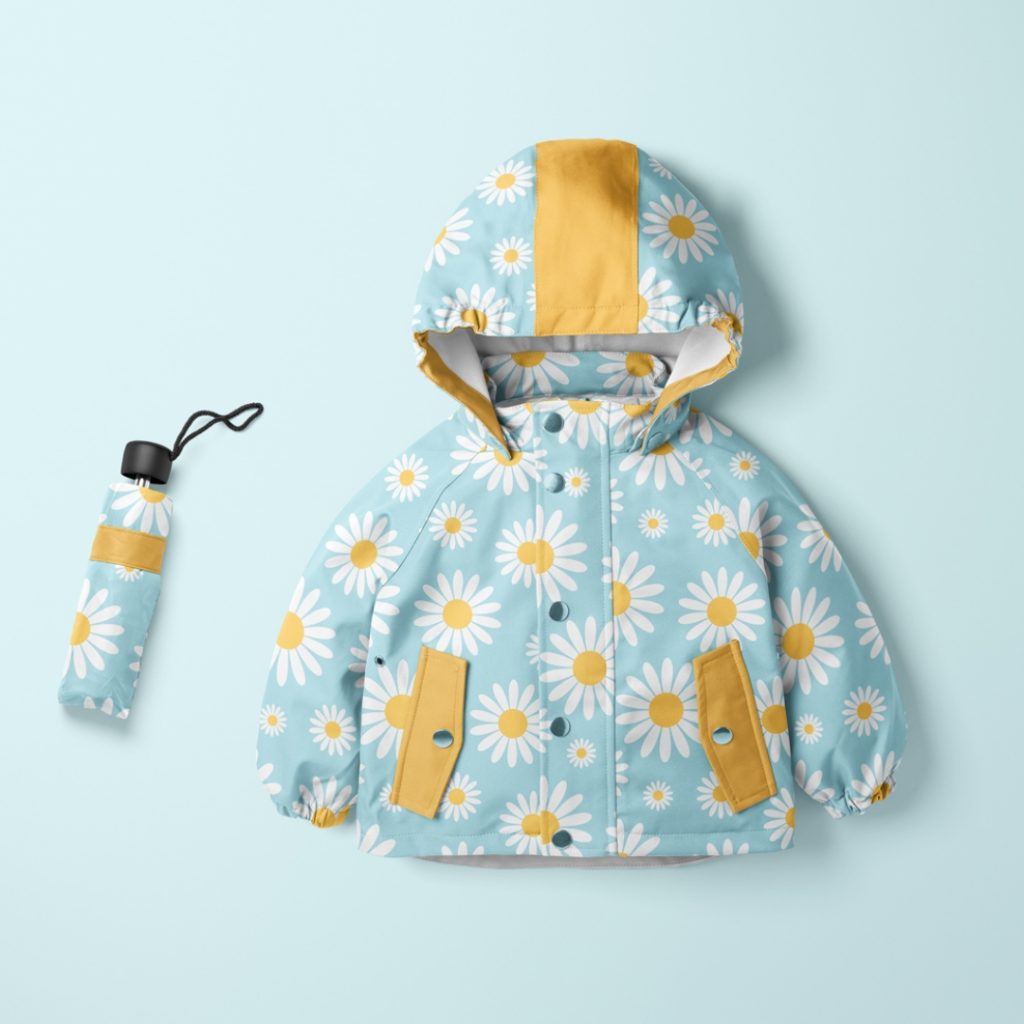
W kontekście odzieży, diagonal idealnie pasuje na kurtki i płaszcze, ponieważ zapewnia odpowiednią sztywność, ale jednocześnie pozwala na swobodę ruchów.
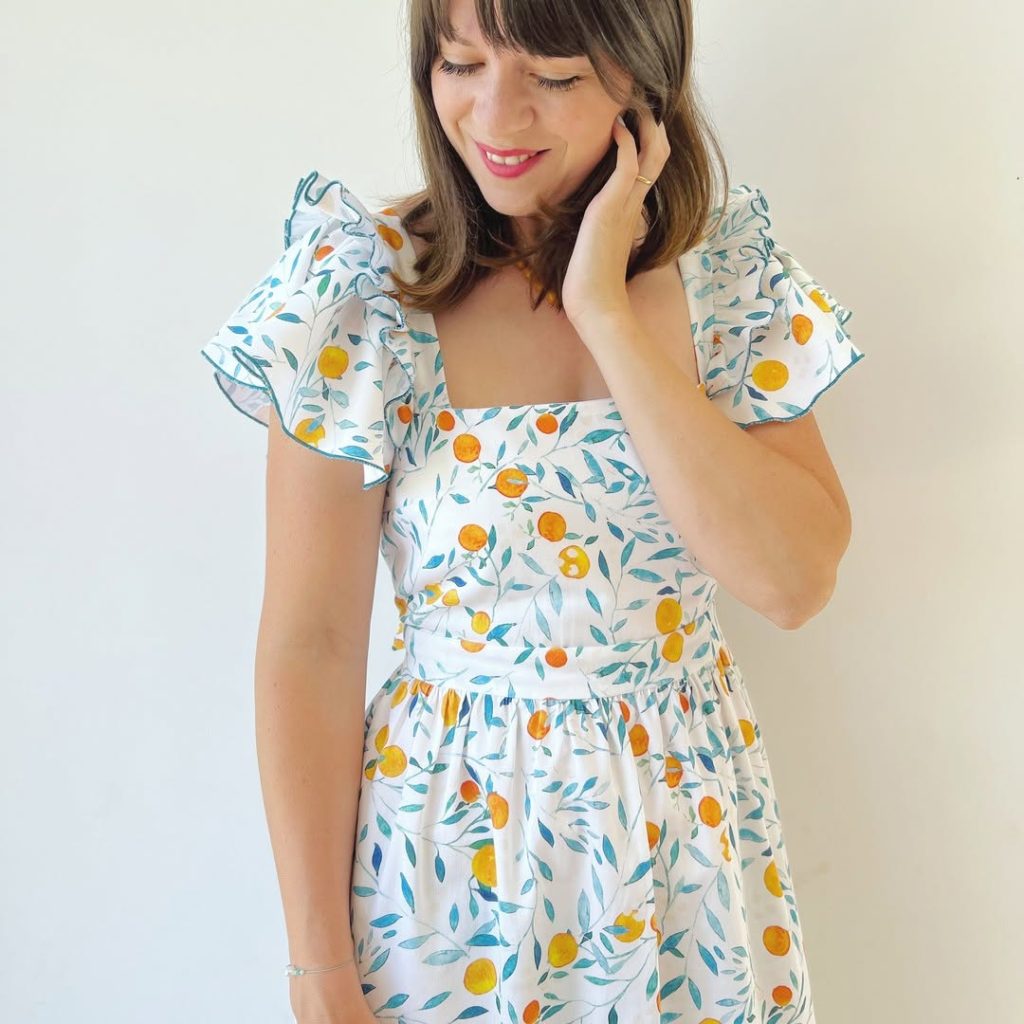
To także świetny wybór na spodnie i spódnice, szczególnie te o bardziej sportowym lub casualowym kroju, gdzie ważna jest trwałość.
Nie zapominajmy też o fartuchach i odzieży roboczej- tu sprawdzi się doskonale.
Czy diagonal nadaje się na torby i akcesoria?
Tak, jest doskonały! Diagonal na torby to niemal klasyka. Zapewnia stabilność, wytrzymałość i elegancki wygląd. Z łatwością uszyjesz z niego solidną torbę na zakupy lub na ramię. Sprawdzi się też na wytrzymałe plecaki i worki, które uniosą cięższy ładunek, a także piórniki i kosmetyczki.
Dodatki użytkowe i dekoracyjne DIY
Ponieważ jest to idealny materiał do szycia DIY, sprawdzi się także w domu. Wykorzystaj go na organizery na przybory i narzędzia, pokrowce na meble ogrodowe lub elektronikę. Jeśli szukasz materiału, który dobrze zablokuje światło, diagonal zda egzamin nawet jako grube zasłony.
Jak szyć z diagonalu? Krótkie wskazówki
Czy diagonal jest gruby/sztywny? Zwykle jest to materiał o średniej grubości, co czyni go bardzo przyjaznym w pracy. Oto kilka praktycznych porad, zanim włączysz maszynę.
Pamiętaj o dekatyzacji!
Jak każda bawełna diagonalna, diagonal ma naturalną tendencję do kurczenia się (nawet do kilku procent), zwłaszcza przy pierwszym praniu.Zawsze wypierz i wysusz materiał przed krojeniem – to oszczędzi Ci późniejszych rozczarowań i „skurczonych” projektów.
Wybór igły i nici
Ponieważ jest to tkanina średnia, najlepiej użyć uniwersalnej igły o rozmiarze 80 lub 90. Jeżeli jednak materiał ma bardzo wysoką gramaturę (jest bardzo gruby), wybierz igłę do denimu.Najlepiej sprawdzą się standardowe nici poliestrowe, które są wytrzymałe. Jeśli jesteś początkującym krawcem i uczysz się szyć na maszynie, diagonal będzie wdzięcznym materiałem do nauki, bo się nie ślizga.
Czy diagonal kurczy się po praniu?
Tak – kurczliwość jest cechą typową dla tkaniny diagonalnej. Surowy diagonal najlepiej prać w temperaturze do 40°C, ponieważ wyższe temperatury zwiększają ryzyko skurczu. Wykonanie dekatyzacji przed szyciem znacząco ogranicza kurczliwość, a po pierwszym praniu powinna być ona minimalna.
Zalecenia pielęgnacyjne zależą od wykończenia materiału. W przypadku tkanin diagonalnych z nadrukiem pigmentowym zaleca się pranie chemiczne środkami nie zawierającymi perchloroetylenu, z użyciem programu dla tkanin delikatnych. Nie należy stosować wybielaczy ani tarcia na mokro.
Diagonal jest łatwy do prasowania i dobrze reaguje na parę. Materiały z nadrukiem należy prasować po lewej stronie w temperaturze 150–180°C, odpowiedniej dla bawełny.
Gdzie kupić diagonal i jak go spersonalizować?
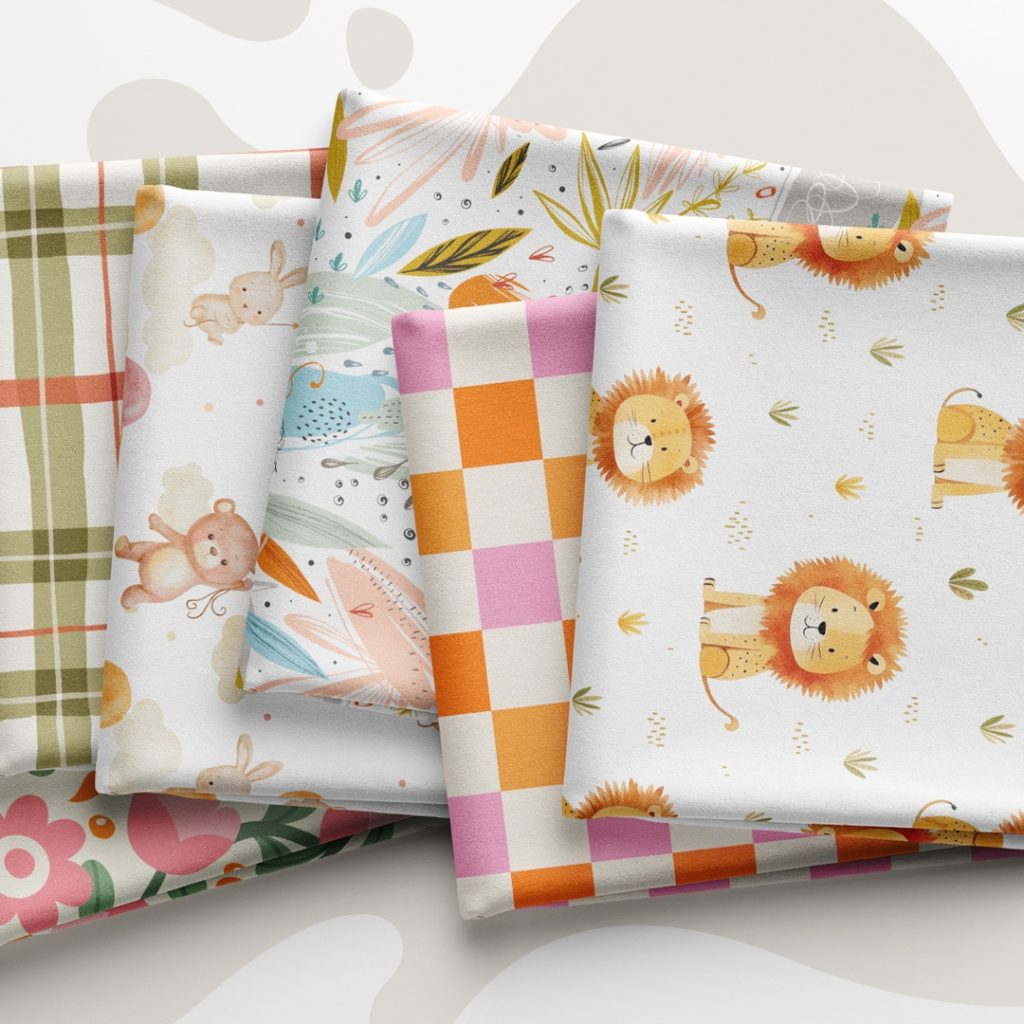
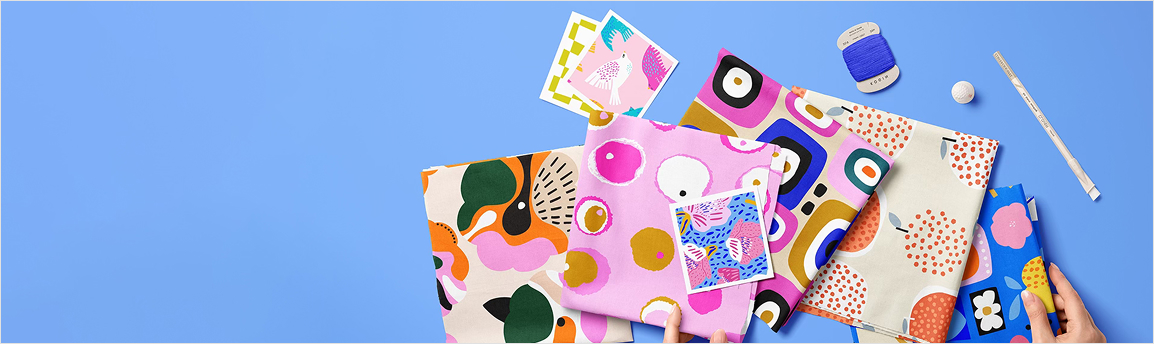
Jeśli szukasz wysokiej jakości drukowanego materiału, który pozwoli Ci spersonalizować projekt, sprawdź ofertę CottonBee. Możesz tam zamówić własny wzór na bawełnie diagonalnej.
FAQ – Najczęściej zadawane pytania
Nie, diagonal jest tkaniną nierozciągliwą, chyba że w składzie ma domieszkę elastanu. Standardowa bawełna diagonalna nie rozciąga się i zachowuje swój kształt, co jest jej dużą zaletą w projektach wymagających sztywności.
Zdecydowanie tak. Jest to materiał do szycia DIY idealny na początek. Jest stabilny, nie ślizga się, łatwo go kroić i szyć, a nierozciągliwa natura ułatwia precyzyjne łączenie elementów.
Warto, jeśli zależy Ci na ekologii i zdrowiu. Diagonal organiczny z certyfikatem (np. GOTS) jest gwarancją, że tkanina powstała w sposób przyjazny dla środowiska i nie zawiera szkodliwych substancji chemicznych.
Tak, charakterystyczny splot skośny jest widoczny nawet na drukowanym materiale. Nie ma to wpływu na jakość wzoru, ale nadaje mu ciekawą teksturę, którą z pewnością docenisz.