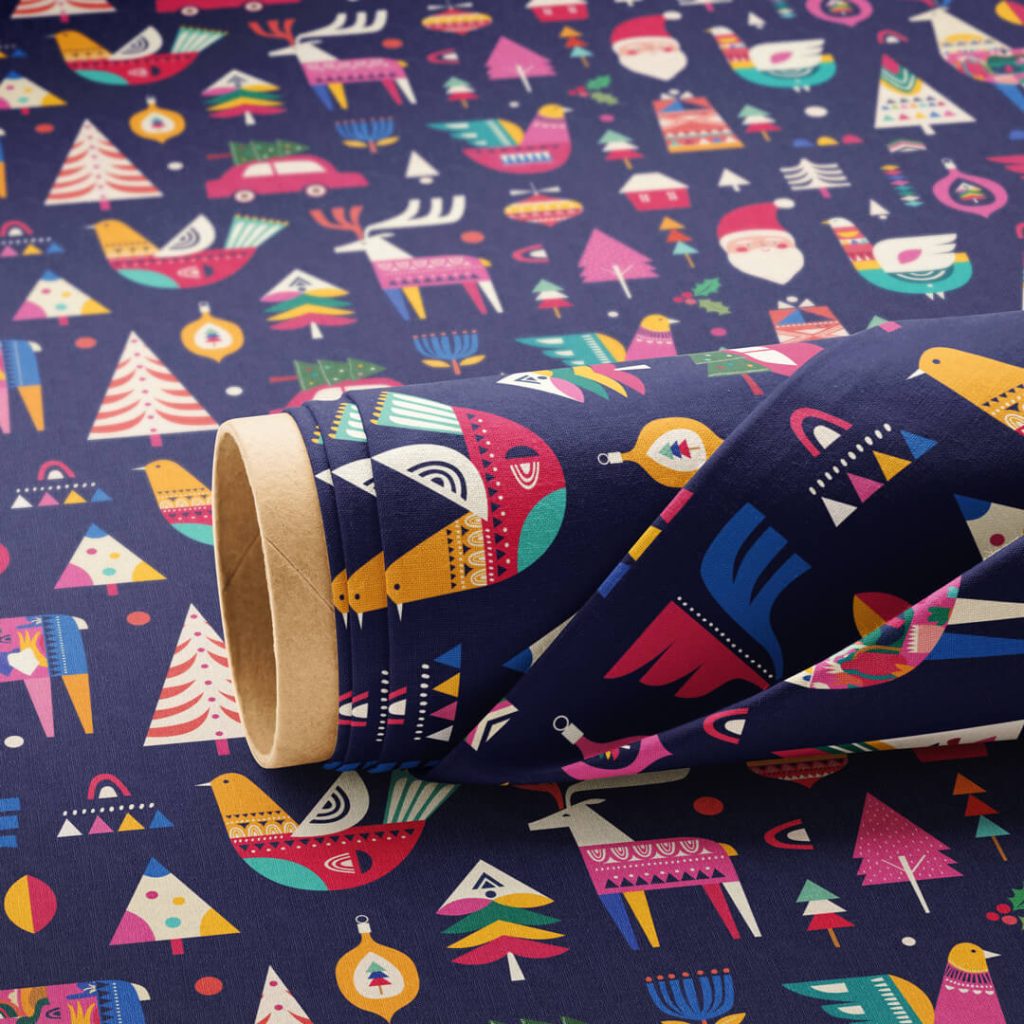
Reactive Printing vs. Pigment Printing — differences
In today’s rapidly evolving world of the printing industry, there are many printing techniques to choose from. Reactive printing and pigment printing are two popular solutions. In this article, we will carefully analyze the differences between these two technologies and discuss what to consider when choosing the right one for a specific project.
Table of Contents
- Reactive Printing
- Advantages
- Disadvantages
- Applications
- Pigment Printing
- Advantages
- Disadvantages
- Applications
- Summary
Reactive Printing
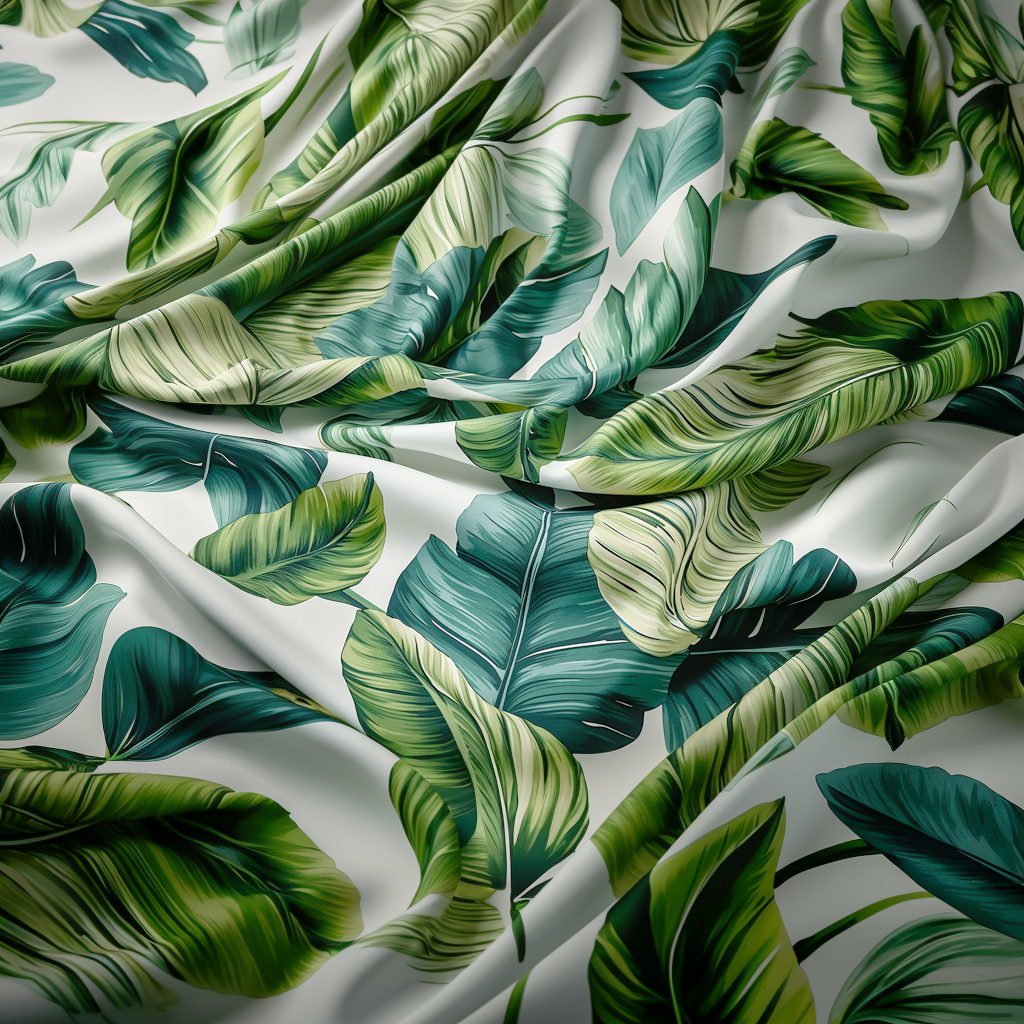
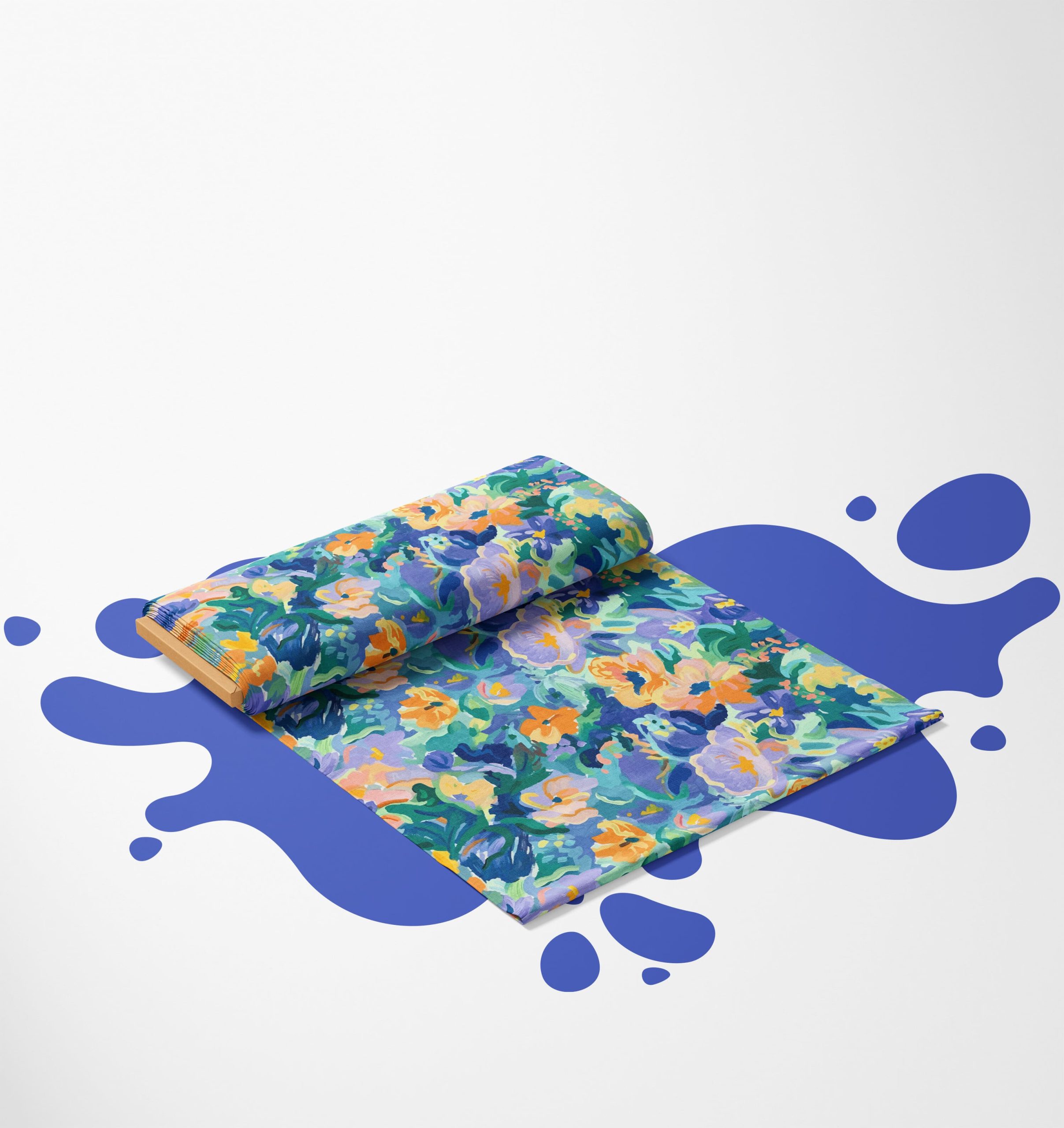
Reactive printing is a technique mainly used for printing on natural fabrics such as cotton, linen, or silk. This process relies on reactive dyes that bond with the fabric fibers at a molecular level. It is a chemical process that ensures durable and vibrant colors. Reactive printing also features good resistance to washing and abrasion, making it an ideal choice for producing clothing, home textiles, and promotional materials.
Reactive printing, being one of the oldest textile printing techniques, emerged in the 1980s. Initially, it was primarily used in the clothing industry and in the production of decorative fabrics. This method revolutionized the way patterns were created on fabrics, providing long-lasting and vivid colors that penetrated deep into the fiber structure.
Due to its durability and color intensity, reactive printing quickly gained popularity worldwide, becoming one of the main printing techniques used in the textile industry. Offering exceptional design and production capabilities for high-quality fabrics, reactive printing plays a significant role in shaping contemporary fashion and textile design.
Reactive printing – Advantages
- Excellent quality: Reactive printing offers the highest quality prints with vivid details and durable colors.
- Full-Bleed printing: At CottonBee, reactive printed fabrics are produced without margins, meaning that designs can be printed right to the edge of the fabric without leaving white margins.
- Durability: Prints are resistant to fading, ensuring that projects will maintain their appearance for a long time.
- Wide range of applications: Reactive printing is suitable for various purposes, from clothing projects to decorative interior accents.
- Soft feel of the printed fabric: Imperceptible print, even with very dense designs.
- Softness of the fabric: Thanks to this dyeing process, the dye can bond with the fabric fibers, allowing the material to retain its softness and breathability.
Reactive printing – Disadvantages
Although reactive printing has many advantages, it is not without certain drawbacks to consider when using it.
Firstly, the reactive printing process involves using a significant amount of water. Applying dyes to the fabric and carrying out the necessary chemical processes to fix them requires a large amount of water. This necessity may pose a problem from the perspective of sustainable development and environmental protection.
Reactive printing requires the use of specialized dyes and chemicals, which can be costly compared to pigments used in pigment printing. Additionally, the chemical process associated with reactive printing may require greater precision and control, leading to higher production costs.
Furthermore, the lead time for reactive printing orders may be longer than for pigment printing orders. The chemical process involved in fixing the dyes to the fabric may require additional time for drying and setting the print. Moreover, the need to adhere to certain chemical procedures may also delay order fulfillment.
Reactive printing – Applications
Reactive printing has diverse applications and spans many fields of the textile and decorative industries. Here are a few main areas where reactive printing is used:
- Clothing: Reactive printing is commonly used in the production of high-quality clothing. Its ability to create durable and intense colors makes it an ideal solution for designers aiming to achieve vivid patterns and graphics on fabrics. From luxury blouses and dresses to everyday T-shirts, reactive printing enables the creation of various styles and designs that maintain their quality and color intensity through many washes.
- Bedding: Bedding fabrics, such as sheets, pillowcases, and blankets, also benefit from reactive printing. The exceptional durability and wash resistance of prints on bedding fabrics maintain their original appearance even after many washing cycles. Additionally, the intense colors offered by reactive printing add charm and life to bedrooms, creating a pleasant atmosphere.
- Tablecloths: Reactive printing is also used in the production of tablecloths and decorative table fabrics. Its durability allows tablecloths to be used daily without worrying about patterns wearing off quickly. Moreover, intense colors and the ability to create various patterns allow for the customization of tablecloths for different occasions and interior decorations.
- Decorative fabrics: In the field of interior decoration, reactive printing is often used to produce various decorative materials such as curtains, decorative pillows, or furniture covers. Its ability to reproduce rich colors and patterns allows for the creation of unique decorative elements that add character and personality to interiors.
Pigment Printing
Pigment printing is a relatively new technology in the textile industry. It emerged in the 1990s and involves applying pigments to the fabric surface using mechanical binding. Unlike older printing methods such as reactive or sublimation printing, pigment printing uses a completely different approach to applying dyes to the fabric.
The pigment printing process involves applying pigments directly to the fabric surface using mechanical binding. Unlike reactive printing, where dyes chemically react with the fabric fibers, pigments used in pigment printing are physically attached to the fabric surface. This is achieved through the use of special carriers that ensure the adhesion of pigments to the fibers.
Pigment printing technology brings several significant benefits. It allows for use on various types of fabrics, including synthetic fabrics, providing greater flexibility in design and production.
Pigment printing – Advantages
- Versatility: One of the greatest advantages of pigment printing is its versatility. It can be applied to various types of fabrics and knits, including cotton and organic cotton. This means that designers can experiment with different types of fabrics, not limited to those compatible with traditional printing methods. As a result, pigment printing offers greater design flexibility, opening the way to creating innovative and unique textile products.
- Most eco-friendly solution: Compared to other printing methods such as reactive printing, pigment printing requires significantly less water. The process of applying pigments to the fabric surface using mechanical binding does not require as much water as the chemical processes used in other printing methods. This makes pigment printing the most environmentally friendly, especially in the context of increasing environmental awareness and the need to reduce natural resource consumption.
- Excellent base product reproducibility: The process of applying pigments to the fabric surface using mechanical binding allows for precise reproduction of patterns and graphics on subsequent production elements. As a result, each product is almost identical in terms of order repeatability over time, which is important, especially for wholesale orders and mass production.
- Cheaper alternative: Pigment printing is often a cheaper option compared to reactive printing. Lower water consumption and the absence of the need for specialized chemicals make production costs typically lower. Additionally, shorter order processing times may contribute to reduced operational costs and faster product introduction to the market.
Pigment printing – Disadvantages
Colors achieved through pigment printing may be less durable than those achieved through reactive printing. Despite modern printing technologies and specialized inks providing relatively good color fastness, pigment prints may lose intensity due to frequent use and washing. Bright and intense colors, especially, may gradually lose their vibrancy due to exposure to UV rays, washing, and atmospheric factors.
Applying pigments to the fabric surface can lead to increased stiffness and decreased softness in touch. Unlike reactive printing, where dyes bond with the fabric fibers, in pigment printing, pigments are mechanically attached to the fabric surface. This process can make the fabric less flexible and more rigid, which may be undesirable, especially for clothing and textiles intended to be soft and comfortable to wear.
Pigment printing – Applications
Pigment printing has diverse applications and covers many fields of the textile industry and utility item production. Here are a few main areas where pigment printing is used:
- Clothing: Pigment printing is widely used in clothing production, both in casual and sportswear segments. Its ability to reproduce high-quality graphics and patterns, along with design flexibility, makes it a popular choice for clothing designers. Additionally, pigment printing allows for printing on different types of fabrics, giving designers more freedom to experiment with various materials and styles.
- Cushions: Decorative cushions with prints are increasingly popular in interior decoration, and pigment printing is the ideal solution for their production. It allows for the creation of unique patterns and graphics that can be tailored to different interior designs. Furthermore, the durability and wash resistance of pigment prints ensure that cushions with such prints maintain their quality and appearance for a long time.
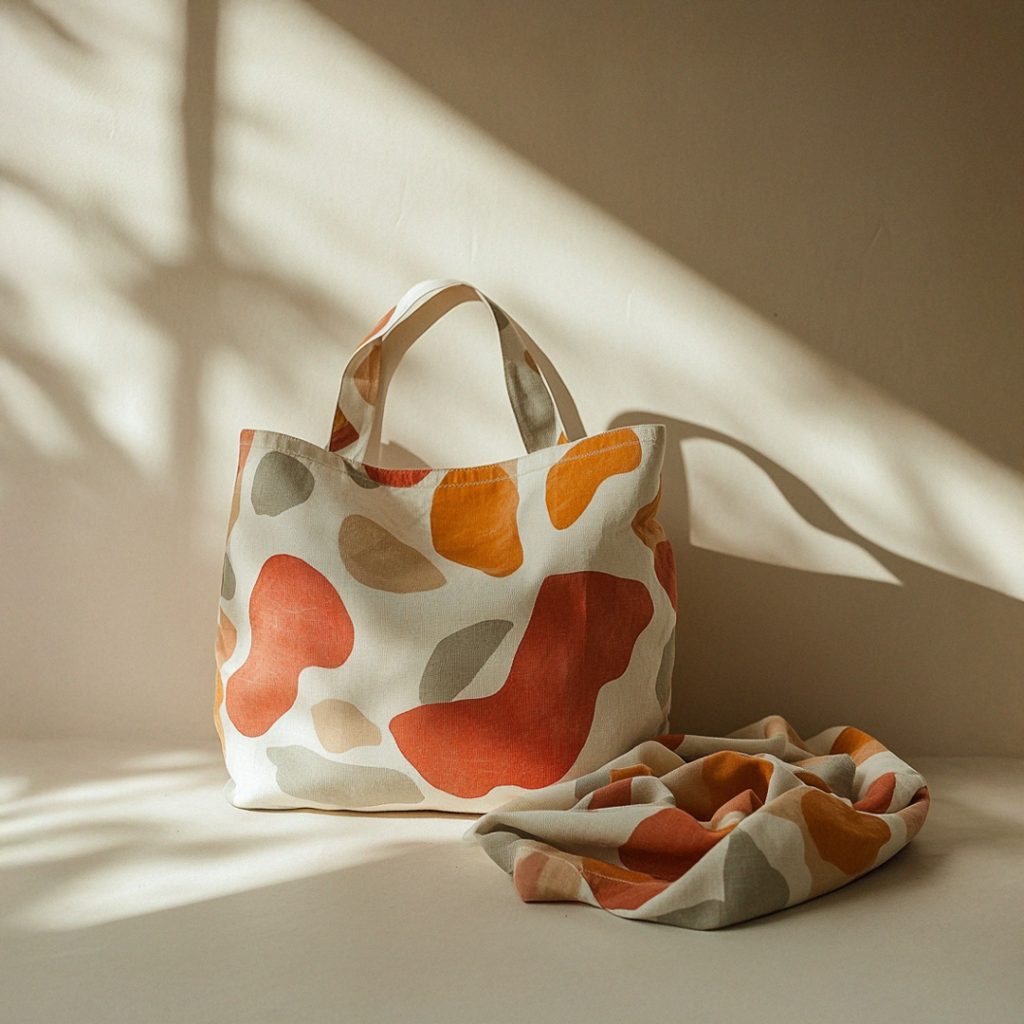
- Bags: Printed bags are popular fashion accessories that allow individuals to express their individual style and personality. Pigment printing enables the creation of precise and vivid prints on various materials used for bag production, such as cotton, linen, or polyester. This makes bags with pigment prints not only stylish but also durable and practical.
- Other products: In addition to clothing, cushions, and bags, pigment printing is used in the production of many other utility items, such as bedding, tablecloths, towels, napkins, headbands, and more. Its versatility and ability to reproduce high-quality prints make it a popular choice for manufacturers who value design flexibility and detail accuracy.
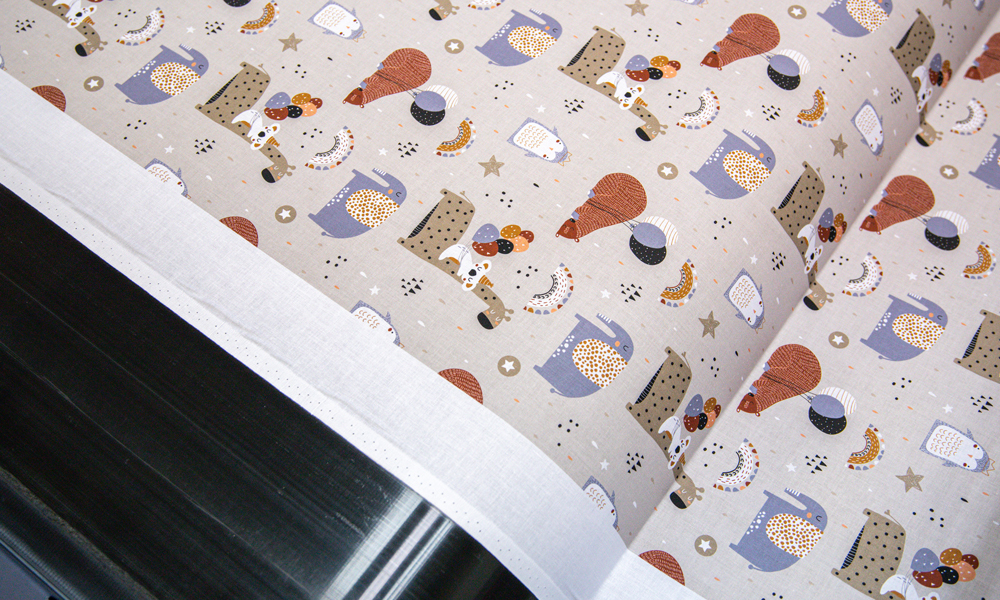
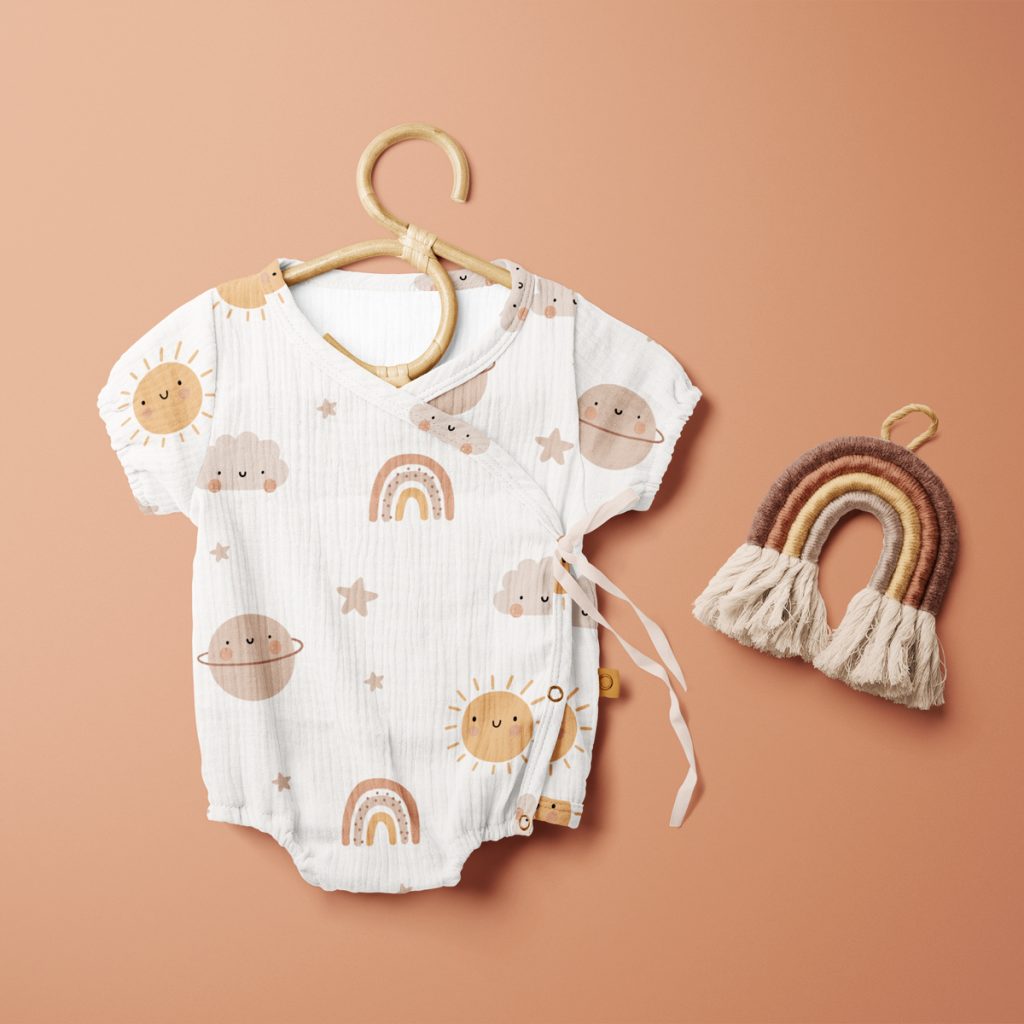
- Children’s clothing: Pigment printing is used in the production of children’s clothing due to its skin-friendly properties and the ability to create colorful and attractive patterns that capture the attention of the youngest. Materials printed with pigment printing technology at CottonBee are environmentally friendly, GOTS, and OEKO-TEX certified, making them ideal materials for children’s clothing and accessories.
Check also: How to properly prepare a file for fabric printing?
Summary
The choice between reactive printing and pigment printing depends mainly on individual needs and preferences. Reactive printing provides intense colors and durability, especially for natural fabrics, while pigment printing is cheaper, faster to produce, and offers greater versatility. The final decision should be carefully considered, taking into account the type of fabric, expected effects, and environmental aspects. By doing so, you will be able to choose the printing technology that best suits your needs and goals. Choose your printing technology and create wonderful things together with CottonBee!