Copyright on the Internet – what is Creative Commons license and the public domain?
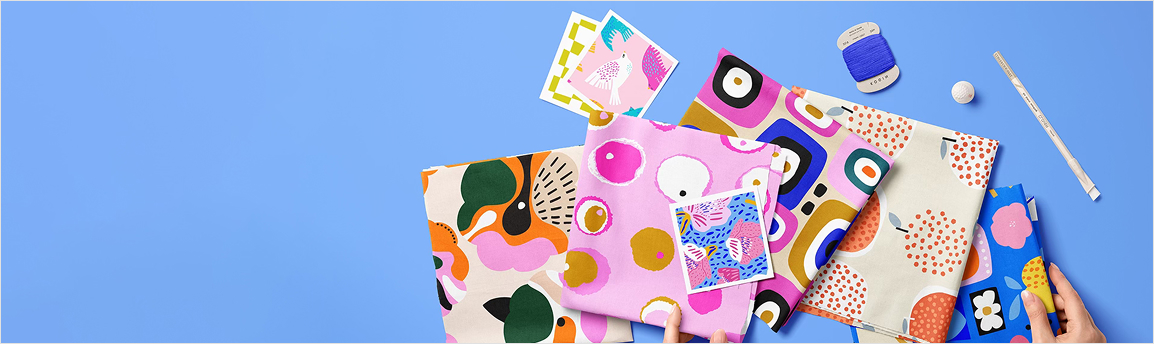
So you want to try fabric printing, but computer graphics are not your thing? The internet is bursting at the seams with photos and images that can be used to create unique designs, so why not take advantage of them? When you reach for a file shared on the Internet, the intended printing destination will be of key importance. A pillow with an inspiring quote that will appear on the couch in your living room can be created from any picture. The situation is completely different when you think about monetizing your arts and crafts. So how exactly does copyright work and is it possible to understand all the nuances?
Table of Content
- What is copyright?
- What is fair use and when do we infringe copyright?
- Creative Commons license – what can you use the graphics for?
- What is the public domain?
- Why is copyright important when printing on fabrics?
What is copyright?
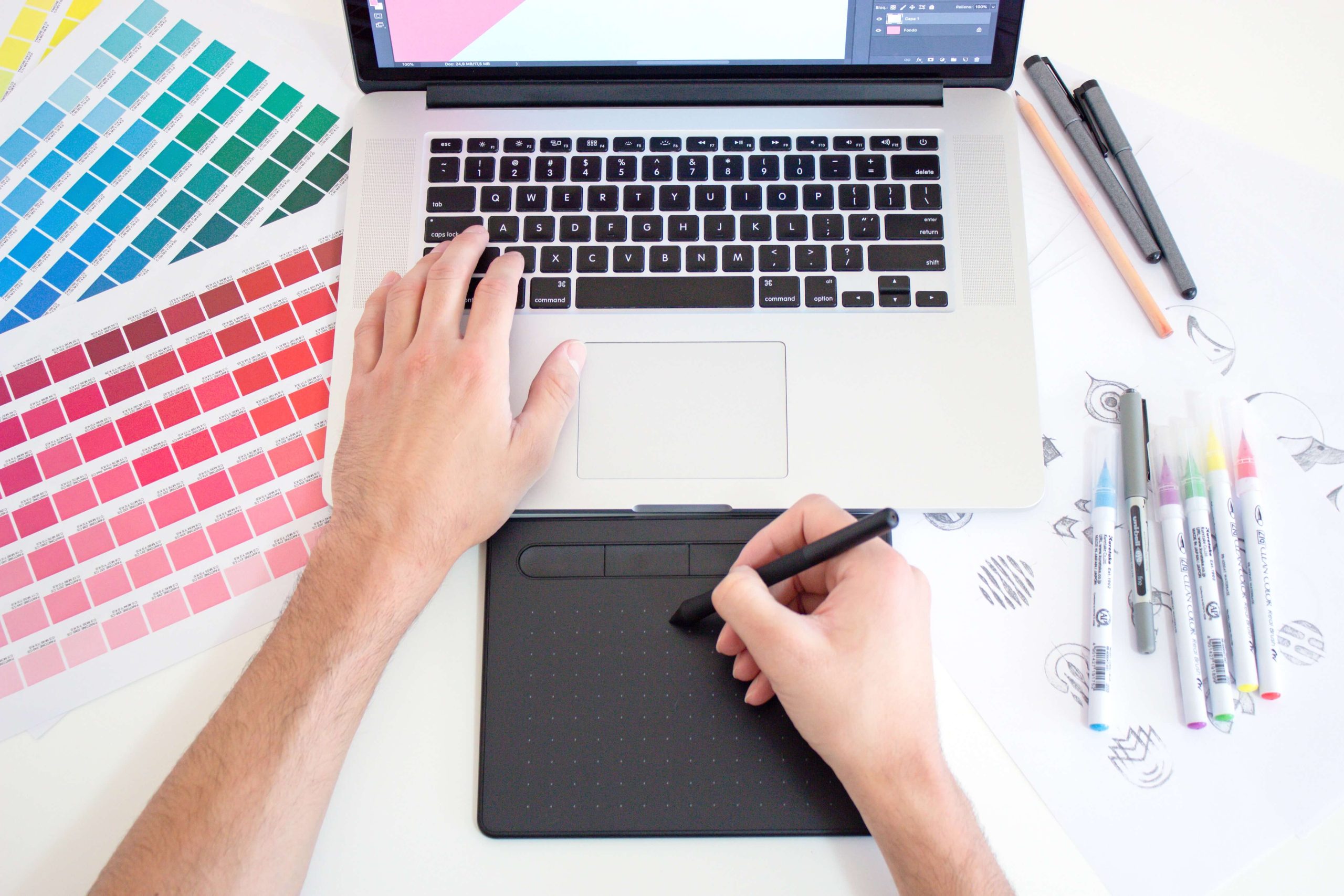
According to the official definition, copyright is a set of legal norms that are part of the intellectual property right, as well as a number of rights of the author of a work that allows one to decide on its exploitation and derive financial benefits from it. What does this mean in practice? If we have copyrights to a work, only we can decide who and how much will earn from our work and pursue the claims due if someone uses our work without our consent. The same thing can happen to us when we reach for copyrighted works and place them on bags or cushions that we later sell in our store.
What is fair use and when do we infringe copyright?
In copyright law, you can often see a term called fair use. Fair use is commonly called an exception in copyright law, thanks to which we can legally use someone else’s work in our work under certain circumstances. If the share of someone else’s work is small in relation to our work, we can use it without the consent of the creator. Unfortunately, the copyright law does not indicate specific boundaries that should not be exceeded when quoting someone else’s work. Simply put, when creating a graphic work, you can be inspired by pictures from cartoons or comics, but do not copy someone’s work and call it yours.
Creative Commons license – what can you use the graphics for?
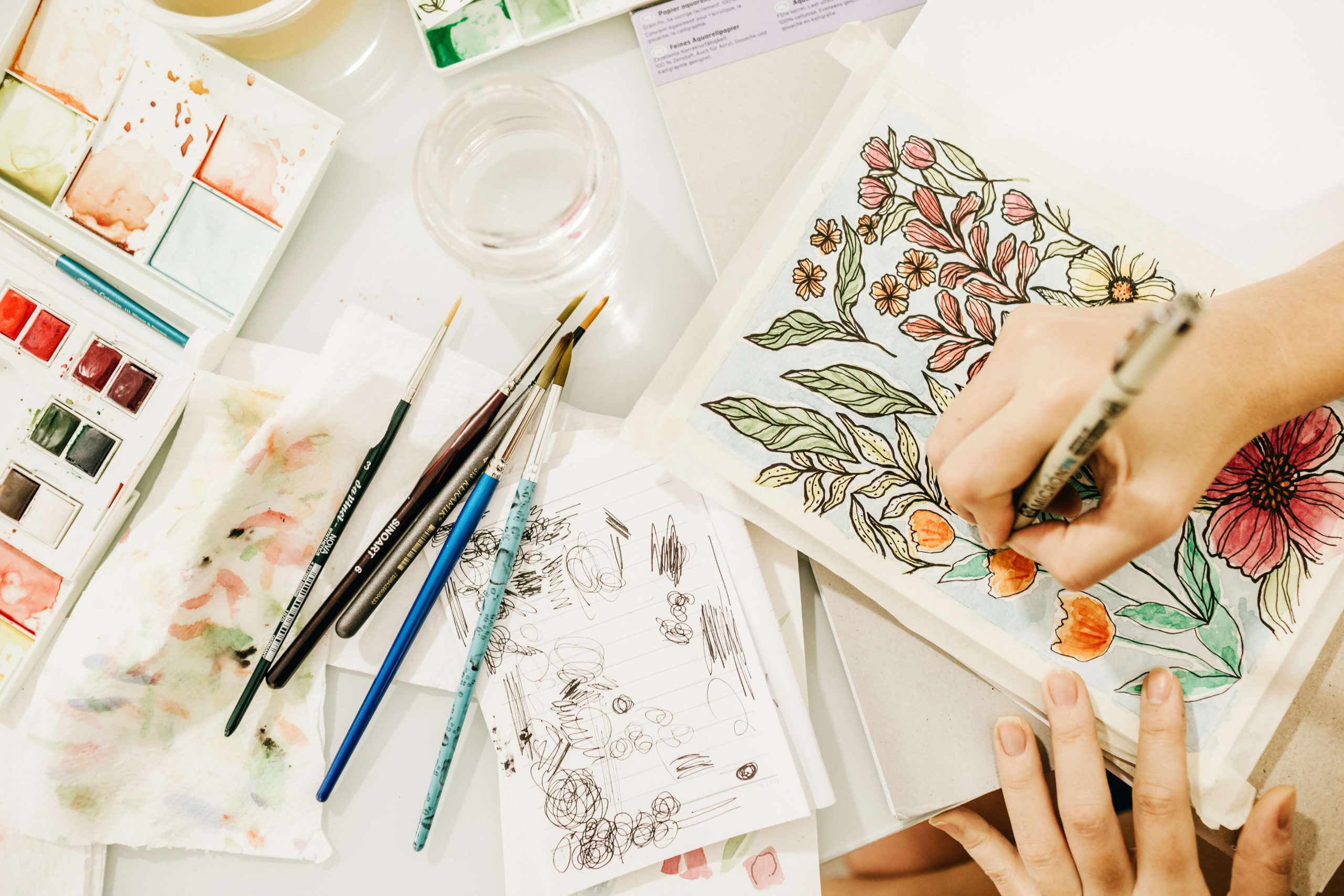
While searching for original graphics for printing on fabrics, you will surely come across works under the Creative Commons license. Creative Commons is a set of license agreement templates under which creators can share their works under certain conditions. The use of Creative Commons licenses and tools is completely free, which is why many creators decide to distribute their works using them. Thanks to CC licenses, certain works can be copied, distributed and used in almost any way, as long as we include information about their creator. It all depends on the type of license used to share a certain piece. For example, under the Noncommercial license, we can use the work as long as we want, as long as we do not derive any financial benefit from it. The creator of the work may choose to make the work available under the ND license, that is, without derivative works. In that case, we may only use the work as published, without any alteration or creation of works from it.

What is the public domain?
If you like retro design and are looking for extraordinary patterns that you can apply to the fabric of clothes, accessories or interior design elements, be sure to check out the collection of works available in the public domain. Works that can be used in any way and without any restrictions are included in the public domain because the proprietary copyrights to such works have expired or the work has never been subject to copyright. But how do you know that the work is in the public domain? Works where copyright holders have been dead for over 70 years, and no one else has acquired or inherited the copyright, go into the public domain. Public domain pieces can be easily found on websites and royalty-free stocks. Vintage textbooks, woodcut prints and old posters make for interesting motifs for unique clothing and accessories.
Why is copyright important when printing on fabrics?
When you decide to print a well-known motif on a sewing fabric, think about its purpose. Do you want to sew a sweatshirt with a comic book character for your significant other? In this case, you can easily use the copyrighted works. When can copyright be an obstacle? Works covered by copyrights may not be placed on products in your online store or sold at auction groups without the author’s consent. Any use of a work covered by copyright without the express consent of the author may have unpleasant consequences.