Fabrics for Dolls: Types, Uses, and Material Selection
Are you looking for the ideal material to create your dream doll? Fabrics for dolls are an incredibly important element that determines the look, texture, and safety of the finished toy. From soft jersey for bodies to airy tulle for skirts and decorative cotton fabrics for clothes—every detail matters. Regardless of whether you plan to sew a classic Tilda doll, a natural Waldorf doll, or unique art dolls, the right choice of materials is crucial.
In this article, we’ll delve into the world of fabrics for sewing dolls, discussing their types, uses, and selection criteria. You’ll learn why 100% cotton is a universal favorite, what characteristics doll body fabric should have, and what to look for to ensure safety for the youngest ones. We’ll also explore popular children’s fabric patterns, how to match fabric weight to your project, and where to buy high-quality fabrics to make your doll making a true pleasure, and the final result—delightful.
Essential Fabrics for Doll Making
Choosing the right fabrics for dolls is key to achieving the desired effect and durability of the toy. Here are the most commonly chosen materials:
100% Cotton as a Versatile Material
100% cotton is an absolute classic in the world of fabrics for sewing dolls. It’s soft, pleasant to the touch, breathable, and easy to work with. It’s perfectly suited for doll clothes, but also for some types of doll bodies, especially for dolls with looser stuffing. Its versatility makes it often the first choice for both beginners and advanced creators. Cotton for doll making is the foundation of many projects.
Cotton Jersey for Doll Bodies
Cotton jersey is a specialized material that is ideal for sewing doll bodies, especially soft ones with a “skin” effect, like Waldorf dolls. It’s elastic, which allows for easy shaping, and at the same time dense enough to hold the stuffing. Available in various shades, it perfectly imitates skin color.
Cotton Muslin for Light and Airy Projects
Cotton muslin is a light, delicate, and breathable fabric with a loose weave. It’s ideally suited for creating airy doll clothes, such as summer dresses, skirts, or blouses. Its delicate texture adds charm and naturalness to dolls.
Cotton Sateen for Elegant Finishes
Cotton sateen features a smooth, shiny surface resembling satin. It’s an excellent choice when you want to add elegance and sophistication to dolls. It’s perfect for evening dresses, coats, or decorative elements that are meant to shimmer.
Specialty Fabrics and Their Applications
In addition to basic cotton fabrics, there are materials dedicated to specific doll elements.
Fabrics for Doll Bodies – Colors and Weight
Choosing the fabric for the doll’s body is crucial. In addition to the aforementioned jersey, dense cotton can also be used. The color should be as close as possible to a natural skin tone, and the fabric weight (density) should be high enough so that the material isn’t translucent after stuffing and is resistant to stretching.
Tulle for Skirts and Decorative Accents
Tulle is a light, transparent mesh fabric, ideal for creating impressive tutu skirts, veils, ruffles, or other decorative elements that are meant to add lightness and volume to dolls.
Fabrics for Sewing Doll Accessories
Various materials are used for sewing accessories such as hats, scarves, bags, or shoes. These can include felt, faux fur, sweatshirt knits, and even faux leather or thin eco-leather, depending on the desired effect.
Safety and Quality of Fabrics
Especially when dolls are intended for children, the safety and quality of the fabrics are a priority.
Oeko-Tex Certified Fabrics and Their Importance
When choosing fabrics for dolls, always look for those with an Oeko-Tex certificate. This is an international textile certification system that confirms the material is free from harmful chemical substances in concentrations that could negatively affect human health and the environment. This guarantees that child-safe fabrics are indeed safe.
Child-Safe Fabrics – What to Look For
In addition to the Oeko-Tex certificate, pay attention to:
- Natural composition: Prefer natural fabrics like cotton, linen, or bamboo, especially if the doll will come into contact with a child’s skin.
- Absence of small, easily detachable parts: Avoid sequins, beads, or other embellishments that may pose a choking hazard for the youngest children.
- Colorfastness: Ensure that the colors do not bleed, especially after washing.
TÜV Rheinland Certificate and European Standards
The TÜV Rheinland certificate is another important designation, especially in the context of toys and textiles for children. It confirms the product’s compliance with strict safety and quality standards, including European toy safety standards (EN 71).
Design and Aesthetics of Doll Fabrics
Fabrics for dolls are not just about the material; they’re also about style and design.
Children’s Patterns and Their Popularity
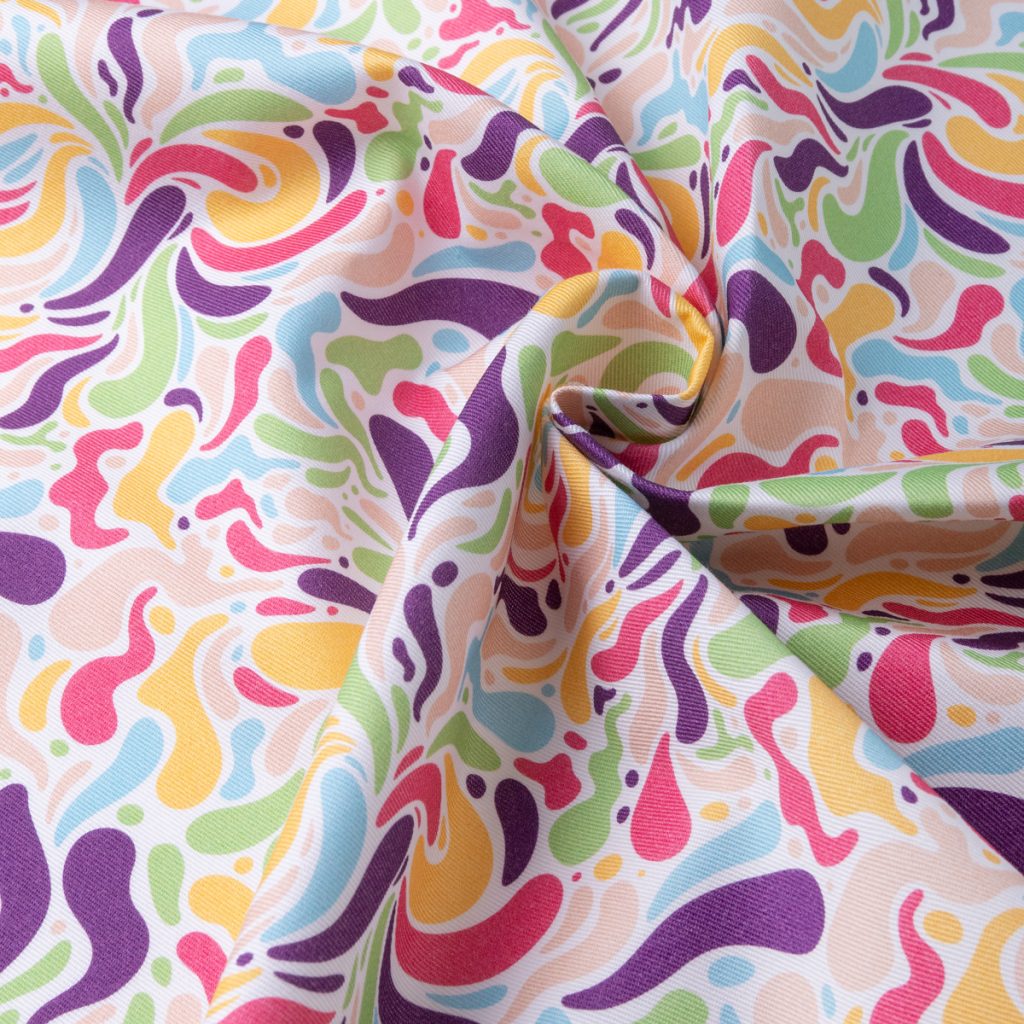
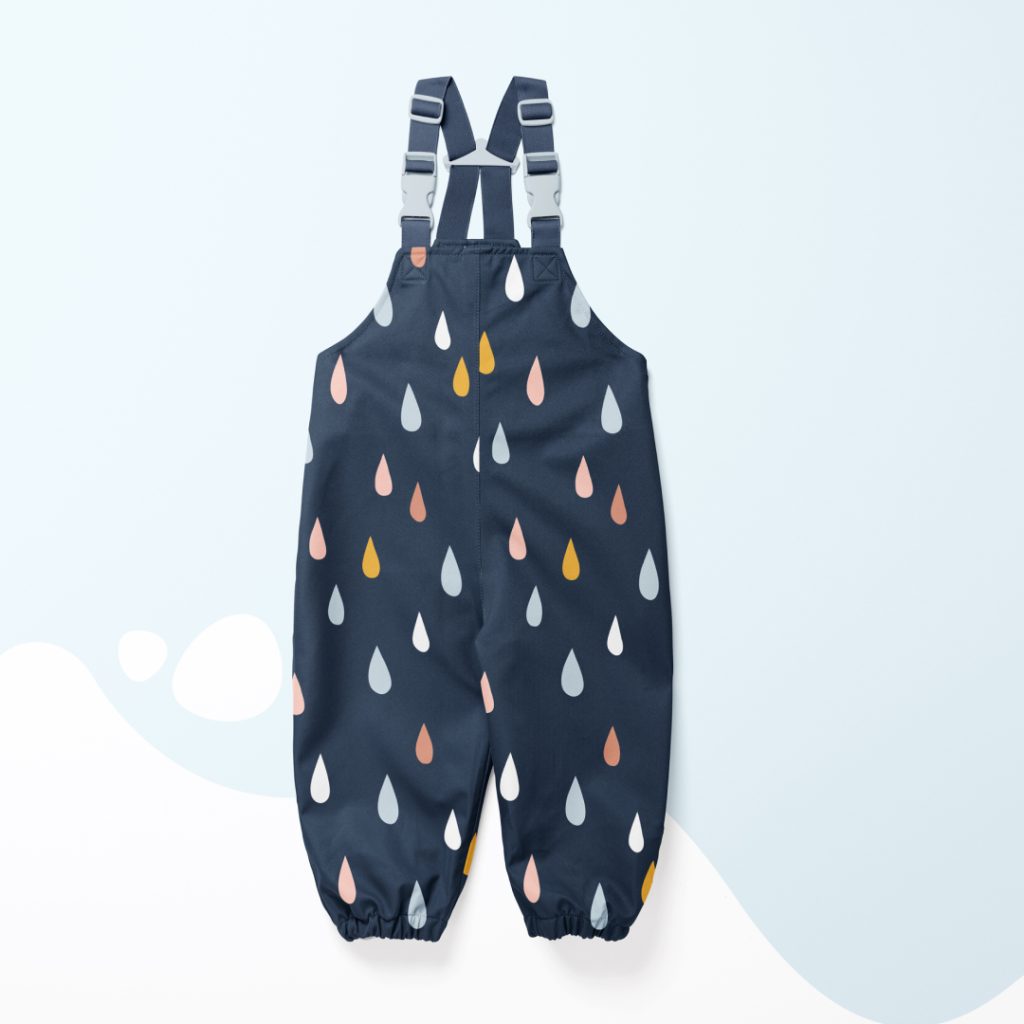
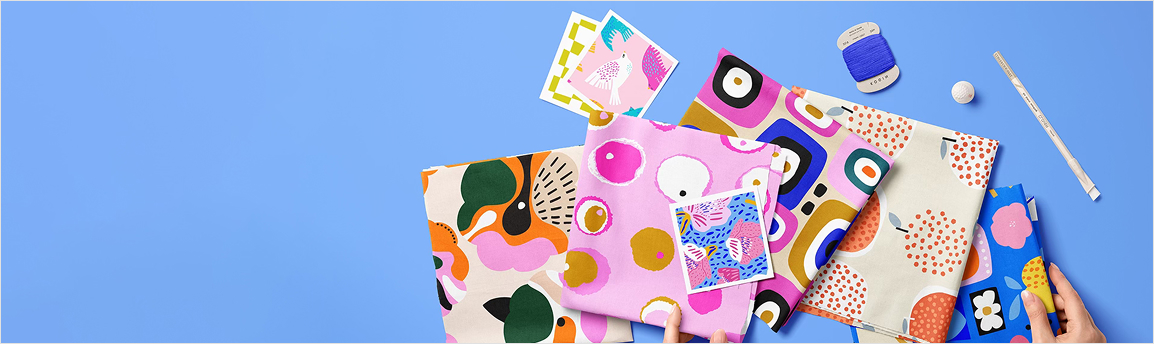
Children’s fabric patterns are extremely popular in doll making. Motifs from fairy tales, animals, clouds, stars, stripes, or polka dots add charm to dolls and make them more appealing to children.
Fabrics with Animal, Flower, and Balloon Motifs
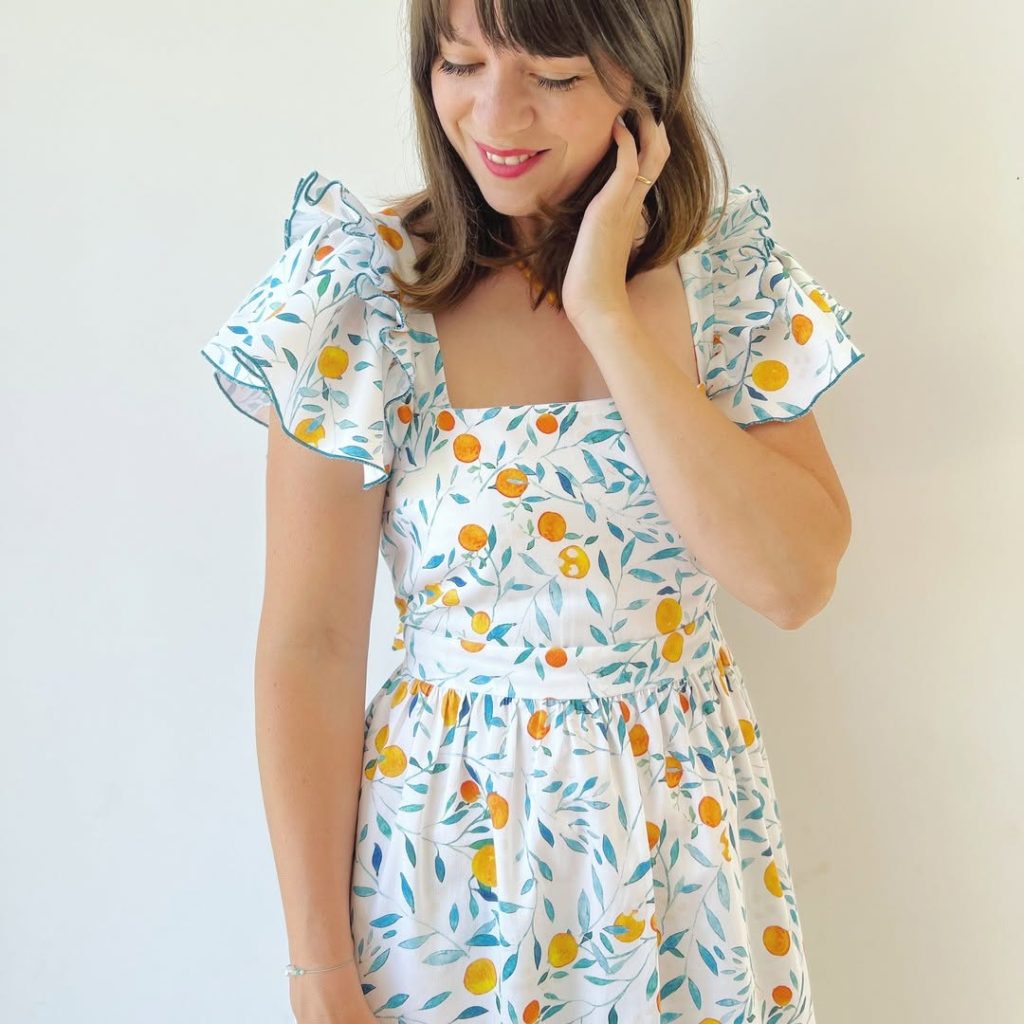
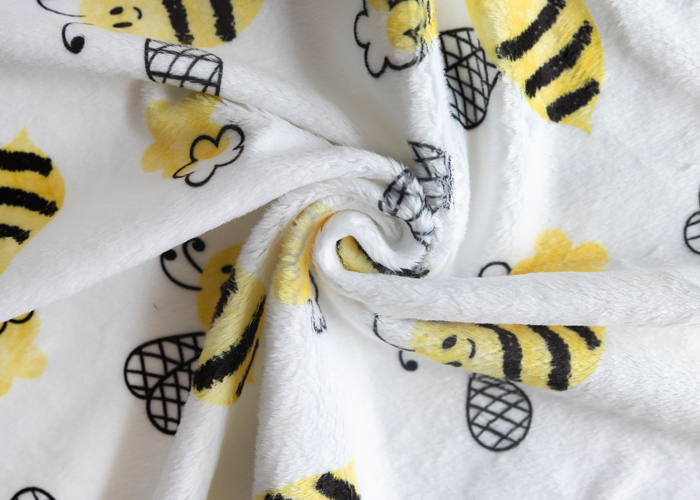
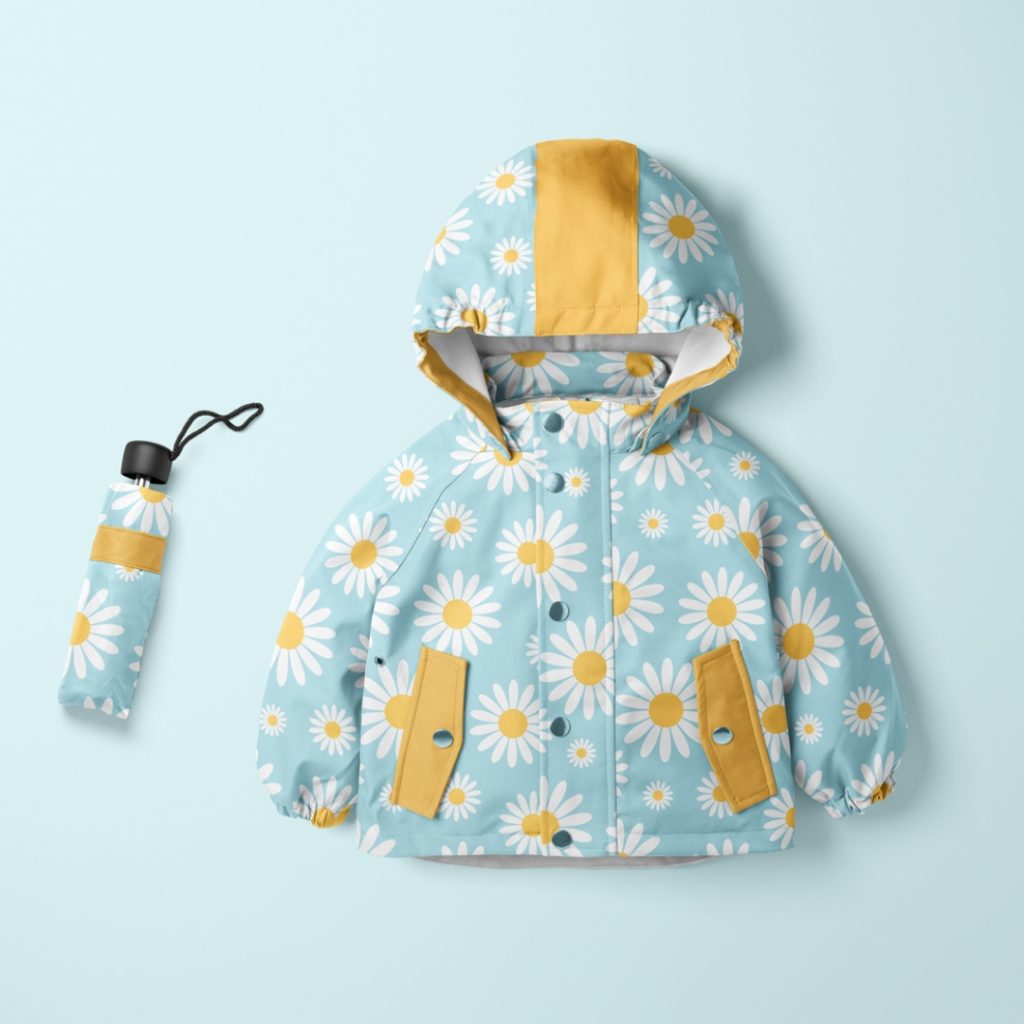
Fabrics with animal, flower, or balloon motifs are an excellent choice for clothing that reflects the carefree world of childhood. They allow for creating unique and cheerful styles for dolls.
Folk and Folkloric Fabrics in Doll Projects
For art dolls or those inspired by tradition, folk and folkloric fabrics, with their richness of patterns and colors, can add unique character and historical context to dolls.
Doll Types and Fabric Selection
Each type of doll has its specific material requirements.
Handmade Dolls and Their Material Requirements
Handmade dolls offer immense freedom in material selection. From traditional cotton fabrics to plush, felt, or even recycled fabrics—everything depends on the creator’s vision.
Tilda Dolls – Style, Fabrics, and Inspirations
The Tilda doll is a recognizable style characterized by simplicity, charm, and naturalness. Tilda dolls are usually made from natural cotton fabrics with delicate patterns (polka dots, flowers, stripes), often in pastel or muted colors. Light cotton or jersey is used for the bodies. The Tilda doll style is a combination of rustic charm with a touch of Scandinavian design. If you plan to sew dolls in this style, choose cotton fabrics with appropriate patterns and shades.
Waldorf Dolls – Naturalness and Safety
Waldorf dolls emphasize naturalness and simplicity. Their bodies are typically sewn from cotton jersey in natural skin tones and filled with sheep’s wool. Clothing is often made from natural fibers such as wool, cotton, or silk, in muted colors. Safety and naturalness of materials are crucial in this case.
Art Dolls – Creativity and Unique Fabrics
Art dolls are a space for unlimited creativity. Creators can experiment with a variety of fabrics—from lace, through silk, velvet, tulle, to unusual materials such as leather, fur, or metallic fabrics, to achieve a unique effect.
Primitive Dolls – Form Rawness and Material Selection
Primitive dolls are characterized by simplicity of form and often a raw, somewhat aged appearance. To create them, natural, unfinished fabrics are often used, such as raw canvas, linen, or dyed cotton, to emphasize their rustic character.
Designing and Sewing Dolls with Fabrics
Practical aspects of doll making are equally important.
Doll Patterns – How to Match Them to Fabric
Each doll pattern may require a different fabric. Loose clothing designs look good with flowing materials (muslin, viscose), while fitted body parts require elastic jersey. Always read the fabric recommendations on the pattern.
Fabric Weight and the Final Result
Fabric weight has a huge impact on the final result. Thin cotton will be ideal for light summer clothes, while thicker cotton will work well for more structural elements. Jersey for the body should have an appropriate weight to prevent transparency and hold its shape well.
Care of Cotton Fabrics After Sewing
Most cotton fabrics for doll making can be hand-washed or machine-washed on a delicate cycle. However, always check the manufacturer’s labels and use mild detergents to ensure the doll lasts as long as possible.
Where to Buy and How to Choose Fabrics for Dolls
The last, but no less important, element is the proper selection and purchase of materials.
Fabric Availability and Categories
Fabrics for dolls are available in brick-and-mortar and online stores specializing in sewing materials, haberdasheries, and craft supply stores. Look for categories such as “children’s fabrics,” “cotton for plush toys,” “jersey for dolls,” or “Tilda doll materials.”
How to Assess Fabric Quality Before Purchase
Before purchasing, assess the fabric quality:
- Feel: Is it pleasant to the touch, soft, or stiff?
- Weave: Is the weave even and dense, or loose and prone to fraying?
- Transparency: Does the material not show through too much (especially for body fabrics)?
- Color: Is the color uniform, and does the material not bleed (you can do a wet wipe test on a corner)?
- Certificates: Check if the fabric has safety certificates.
Fabric Colors and Textures and the Doll’s Character
Choosing materials is also about creating the doll’s personality. Light, pastel colors and soft textures will give it delicacy, while intense colors and expressive patterns will give it character. Consider what story your doll is meant to tell, then select the appropriate fabrics for dolls to create a true masterpiece.