Cotton Twill Fabric: What is it, What to Sew, and Why Choose It?
Cotton twill is one of the most popular and versatile fabrics, instantly recognizable by its characteristic diagonal weave. It is highly valued by DIY sewists for its exceptional durability, soft hand, and adaptability. Find out why this material is a perfect match for your next project, from bags and jackets to everyday wear.
Materiał diagonal – co to jest?
Let’s start with the basics, because it’s easy to get confused in the world of fabrics.
Simply put, diagonal fabric is not a specific raw material (such as cotton or linen), but primarily a type of weave. It is this unique weave that gives it its iconic properties and distinctive appearance.
What are the characteristics of a twill weave?
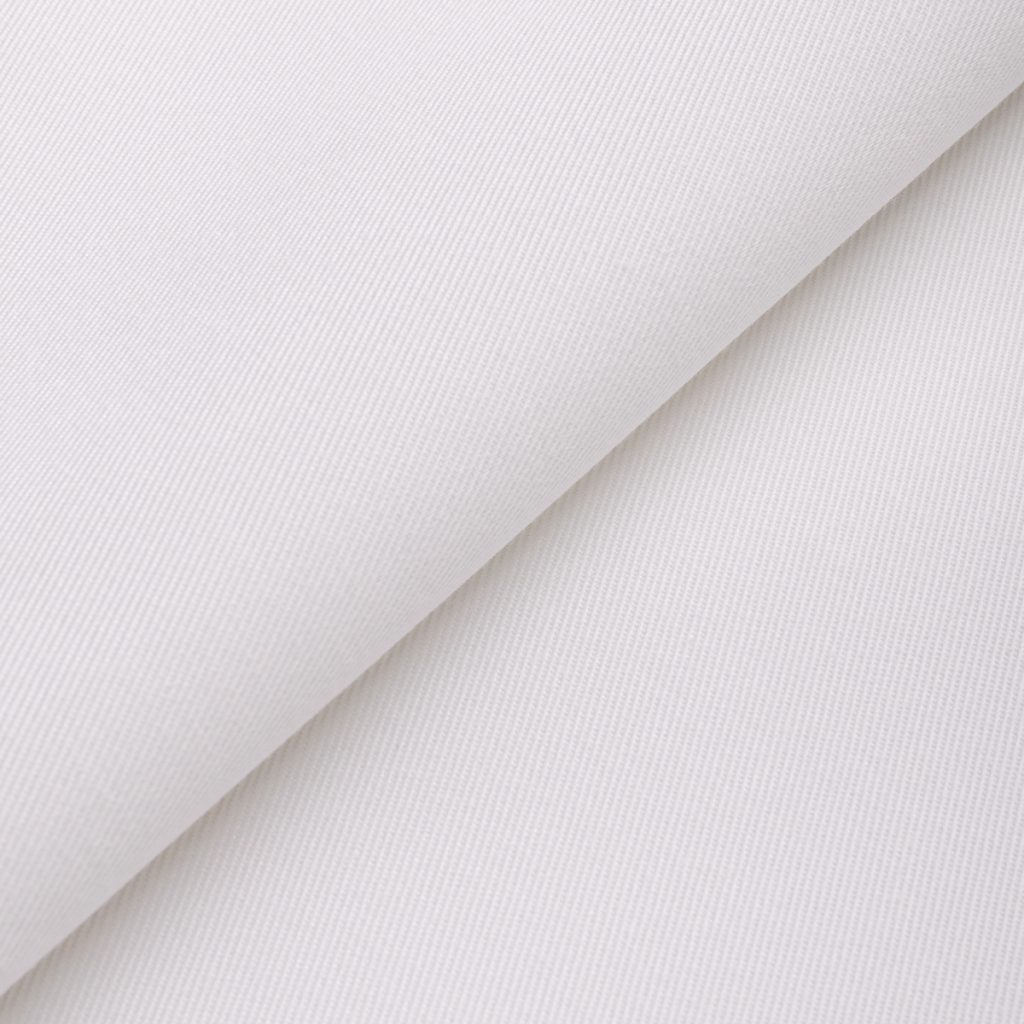
What immediately catches the eye is the twill weave. Unlike plain weave, the warp and weft threads interlace in such a way that they form distinct, angled lines on the surface of the fabric. It looks a bit like a V or herringbone pattern running diagonally. It’s like a signature that distinguishes it from other, more “plain” fabrics.
Other names: sergé and twill
In French, you will hear sergé, and in German, simply Twill. If you come across either of these names, know that they refer to our good old twill weave fabric.
Properties of twill weave fabric
Why do tailors like cotton twill so much? It’s thanks to its extremely successful combination of practical and visual qualities.
High strength and durability
First of all, the twill weave makes the fabric dense and compact.
This translates into high resistance to abrasion and snagging. Colloquially speaking, it stands the test of time and is not afraid of frequent washing!
Softness and manageability
Despite its high durability, diagonal fabric is very pleasant to the touch and stands out for its softness. It is not as rough as denim and drapes nicely, making it an ideal material for clothing and accessories.
The breathability of twill weave
Since we most often deal with diagonal cotton, the material retains all the positive characteristics of natural fiber. It is breathable and skin-friendly.
Distinctive texture and visible weave
Finally, it should be mentioned that this weave is very visible (even after printing). Even on plain or printed fabric, the diagonal lines remain visible, adding a distinctive texture.
Technical specifications of the twill weave
To make your choice easier, we have compiled the key technical parameters of twill weave fabric:
| Parameter | Typical values | Comments |
| Standard weights | 200–300 g/m² | It classifies it as a medium-thick material. |
| Fiber composition | 100% cotton | Common additives: elastane (for elasticity) or polyester (for greater durability). |
| Shrinkage (before decatizing) | 3–8% | High rate. Decentralization is essential! |
| Shrinkage (after decatizing) | Minimal (below 2%) | After pre-washing, the fabric becomes stable. |
| Bale Width | Usually 140–160 cm | Typical for clothing and decorative fabrics. |
| Elongation | None | Typical for clothing and decorative fabrics. |
| Weave Type | Twill | It creates distinctive diagonal stripes. |
Comparison: Diagonal or gabardine – which to choose?
Tailoring dilemmas often boil down to choosing between fabrics with similar uses. Does your project require smooth gabardine or raw denim? Here is a brief comparison that will dispel any doubts.
Differences between twill weave and gabardine
Gabardine is usually a thinner, denser fabric with a much more pronounced, sometimes even shiny, diagonal stripe. The weave line in gabardine is sharper. Diagonal is often thicker, has a higher weight, and the weave lines are more delicate and less convex. If you are looking for something for an elegant coat, choose gabardine. If you want comfortable pants, go for twill.
What is the difference between twill weave and denim (jeans)?
Denim is also a twill fabric, but with one key difference: it is dyed in two colors. Usually, the warp thread is dyed (e.g., blue), and the weft thread remains white or undyed. This gives it its characteristic, uneven, “jeans” look.
Twill weave is usually dyed in one color or has a pattern applied to it, which gives it a uniform shade.
Twill weave and denim/canvas
Canvas uses a simple, tight plain weave. This fabric is known for its stiffness and high durability but often lacks the softness offered by twill.
Twill is the golden mean: durable, yet still comfortable and pliable, making it better for structured clothing and tailored accessories.
Classic twill weave vs. organic twill weave – learn the differences
The term organic twill weave is becoming increasingly common on the market. Does this mean that it has a different weave? Absolutely not! The weave remains the same, i.e., it is diagonal and durable.
What is an organic twill weave?
The difference lies in the source of the raw material. Organic twill weave means that the plants were grown without the use of pesticides, chemical fertilizers, or GMOs. It is a more environmentally friendly choice and safer for people with allergies.
Certificates for verification
Look for materials with certifications such as GOTS (Global Organic Textile Standard), which confirm that the entire production chain is environmentally friendly.
By choosing organic denim, you are taking care of both your health and the planet.
Advantages and disadvantages of cotton twill
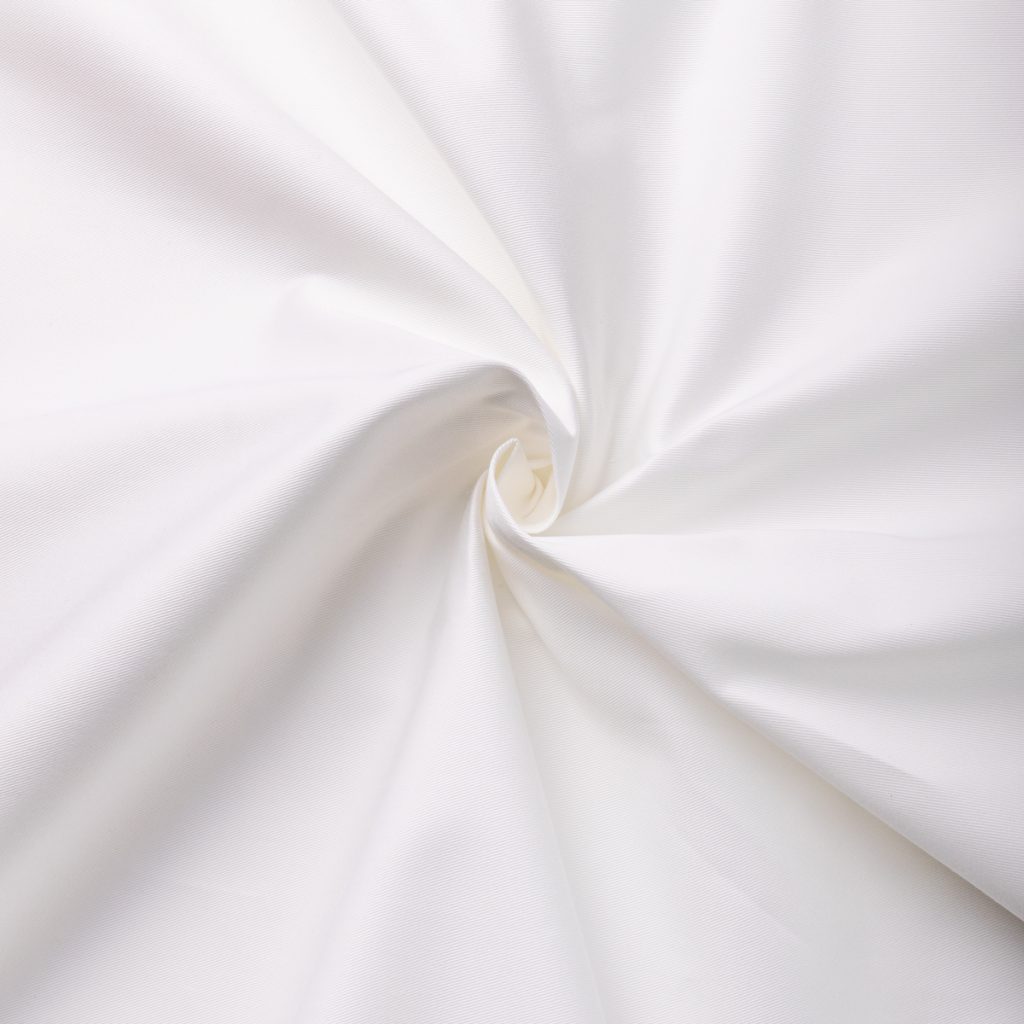
When selecting a material, it is always necessary to be aware of its strengths and weaknesses.
Advantages
- Exceptional Durability: Thanks to its dense twill weave, it is resistant to abrasion.
- Softness and Pleasant Feel: Despite its durability, twill weave cotton is soft and drapes well.
- Versatile Use: Ideal for clothing, accessories, and home décor.
- Easy to Sew: Stable, non-slip, making it a great fabric for beginners.
- Easy Care: Withstands frequent washing and is easy to iron.
Disadvantages
- Shrinkage before decatizing: It has a natural tendency to shrink (up to 8%) during the first wash.
- Less elasticity: It is a non-stretch fabric (without additives), which can be a disadvantage in tightly fitting garments.
- Visible Texture: The texture may subtly affect the appearance of very fine prints.
- Too Thick for Lightweight Garments: Its high weight makes it unsuitable for airy summer dresses.
What is twill weave best suited for?
Given the question of what can you make from cotton twill, the answer is: almost anything! Its exceptional resilience makes it perfect for items that will see heavy, everyday use.
Apparel Uses
Twill is the ideal choice for jackets and light coats, as it provides structure yet allows for movement.
It’s also excellent for casual trousers and skirts where longevity is key.
Don’t forget aprons and utility wear, where the material will face frequent washing and stains.
Is Cotton Twill Good for Bags and Accessories?
Yes, it’s perfect! Twill weave fabric for bags is almost a classic. It provides stability, durability, and an elegant look. You can easily sew a sturdy shopping bag or shoulder bag from it. It also works well for durable backpacks and bags that can carry heavier loads, as well as pencil cases and cosmetic bags..
Utility and Home Items
Since this is such a reliable fabric, it also excels in home projects.
This includes storage organizers, covers for outdoor furniture or electronics, or thick curtains (if you need a material that effectively blocks light).
How to Sew with Cotton Twill? (Basic Tips)
Is twill durable/good for everyday wear? Yes, absolutely. And because it is typically a medium-weight fabric, it is very beginner-friendly to work with.
The Essential Step: Pre-Washing
Always remember to pre-wash and pre-shrink (or decatize) your fabric! Like any natural cotton twill, it has a tendency to shrink (up to a few percent) upon the first wash.
Pre-washing the material before cutting will save you from major disappointment and “shrunken” projects later on.
Needle and Thread Recommendations
For the needle, since it is a medium-weight fabric, a universal size 80 or 90 needle will generally work perfectly. If the fabric has a very high weight (is very thick), switch to a denim needle.For thread, standard polyester threads are highly durable and recommended. You may also choose cotton threads if you aim for a fully natural finish. If you are a beginner tailor and are learning to sew on a sewing machine, twill is an excellent
Does the twill weave shrink after washing?
Yes, shrinkage is a typical feature of twill fabric. Raw twill is best washed at temperatures up to 40°C, as higher temperatures increase the risk of shrinkage. Decatizing before sewing significantly reduces shrinkage, and after the first wash it should be minimal.
Care recommendations depend on the finish of the material. For twill fabrics with pigment printing, dry cleaning with perchloroethylene-free agents is recommended, using a program for delicate fabrics. Do not use bleach or wet rubbing.
Diagonal is easy to iron and responds well to steam. Printed materials should be ironed on the reverse side at a temperature of 150–180°C, suitable for cotton.
Where to Buy Twill Fabric?
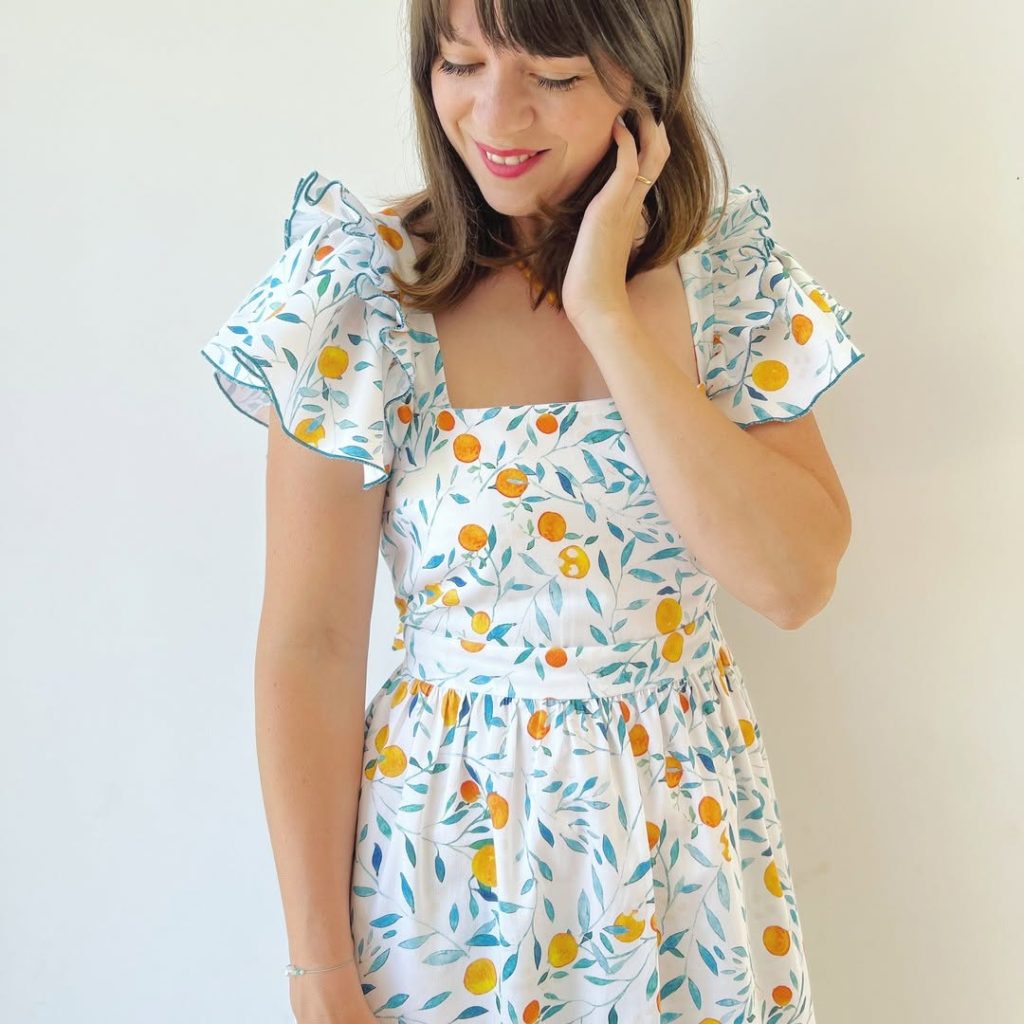
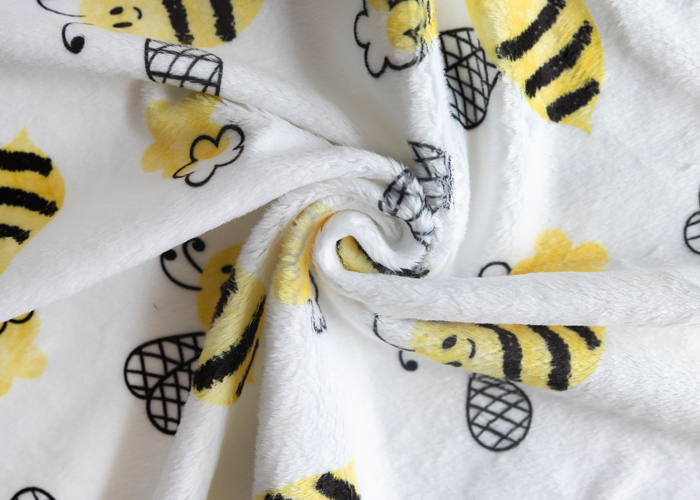
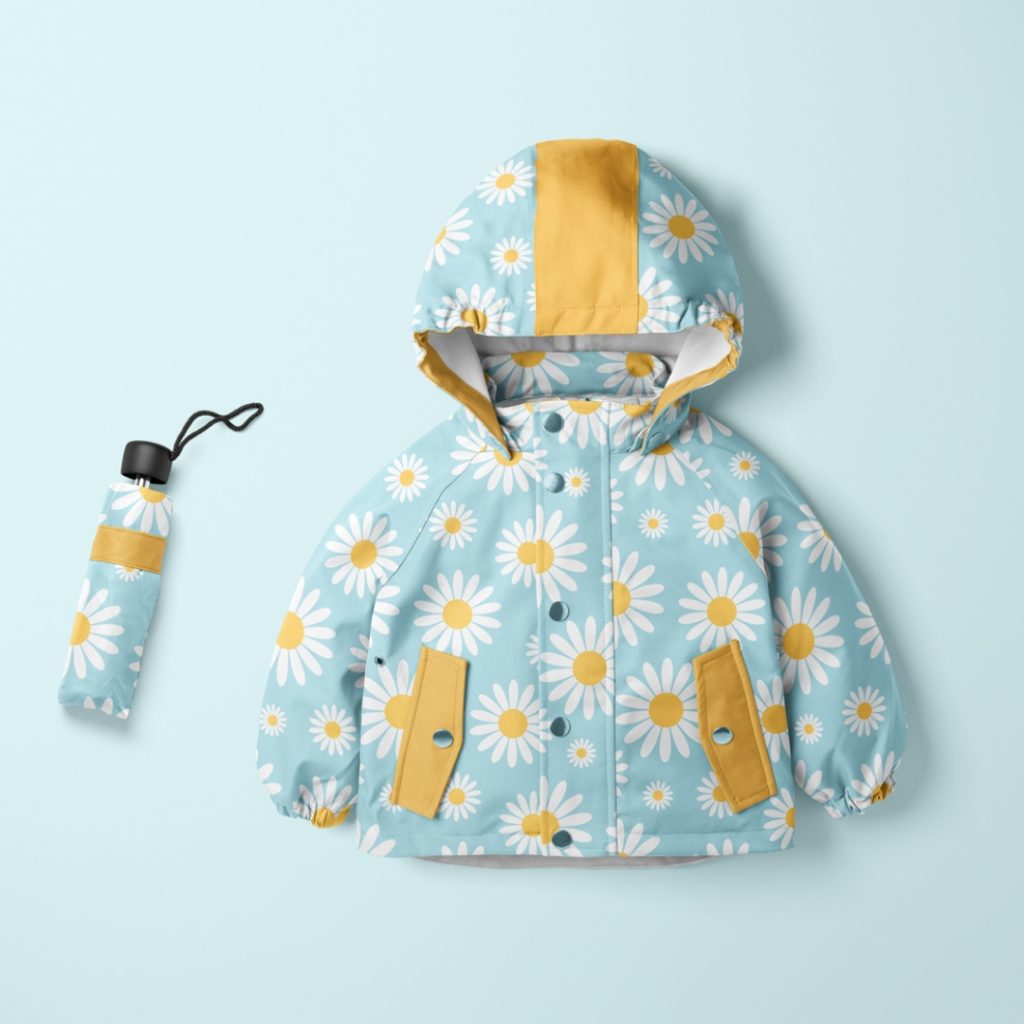
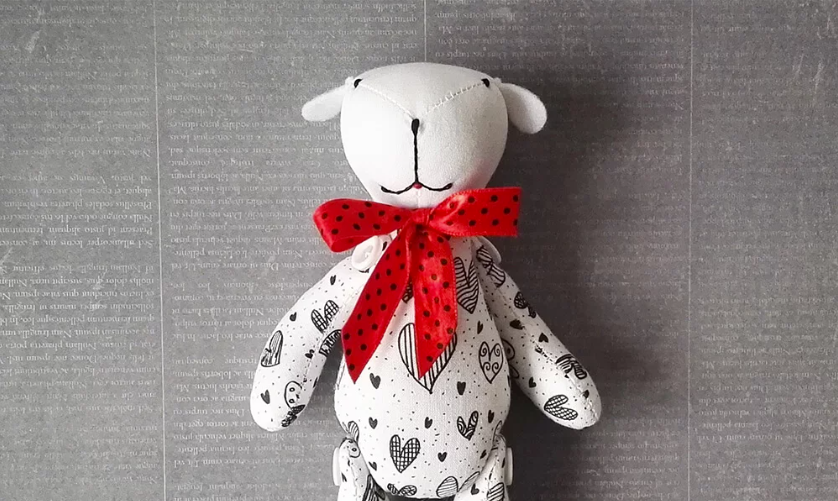
If you are looking for high-quality printed material to personalize your project, check out CottonBee, where you can order your own design printed on cotton twill fabric.
FAQ – Frequently Asked Questions
No, standard twill fabric is non-stretch unless it contains added spandex or elastane. The classic cotton twill keeps its shape and does not stretch, which is a major advantage for projects requiring structure.
Yes, absolutely. It is stable, does not slip, is easy to cut and sew, and its non-stretch nature makes joining pieces accurately straightforward.
Choose twill when you need the durability of canvas/denim but the added softness and better drape for tailored garments like trousers, jackets, or structured bags.
Yes, the characteristic diagonal weave is visible even on printed twill. It does not compromise the pattern quality but adds an interesting texture that many sewists appreciate.