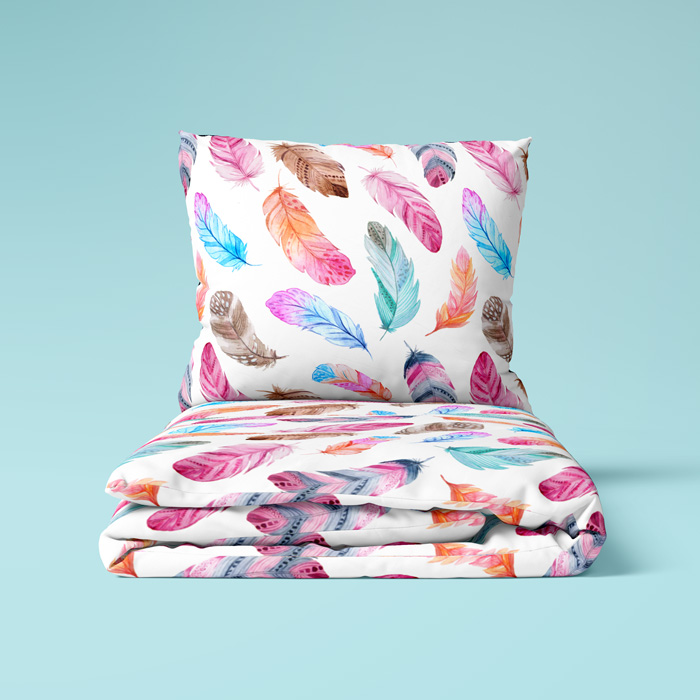
Stain-resistant fabrics – practical solutions in clothing and decoration
In the booming world of textiles, stain-resistant fabrics are becoming increasingly popular. Their functionality and aesthetic appearance make them widely used in industries such as workwear, interior decoration and even fashion. In this article, you will find out what stain-resistant fabrics are, what properties they have and why they are so highly valued.
Table of contents
- What are stain-resistant fabrics?
- Spot resistant fabrics – properties. What are their characteristics?
- The most popular spot resistant fabrics
- Spot resistant fabrics – applications
- Spot resistant fabrics – summary
What are stain-resistant fabrics?
Stain-resistant fabrics are materials which, thanks to advanced production technologies or impregnation processes, become resistant to the absorption of liquids, dirt and other impurities. In practice, this means that substances such as water, oils or grease do not penetrate the fabric, preventing the formation of hard-to-remove stains. Instead, the liquid forms droplets on the surface of the fabric, which can be easily removed. This makes stain-resistant fabrics extremely practical and easy to maintain, and their popularity is growing rapidly in various industries.
Industries such as hospitality, catering, workwear, sportswear, as well as interior decoration, are increasingly turning to this type of fabric to ensure the durability, aesthetics and ease of cleaning of their products. In hotels or restaurants, for example, these fabrics are used for tablecloths, curtains, upholstery or employee clothing, which are subjected to intensive daily use. In the case of workwear, stain-resistant fabrics increase functionality, especially in industries where employees need to maintain a neat appearance while working in harsh conditions, such as catering or the construction industry.
Stain-resistant fabrics – properties. What are their characteristics?
Stain-resistant fabrics are distinguished by their ability to effectively repel liquids, dirt and other contaminants, which makes them extremely practical for everyday use. Their key feature is that different types of substances, such as water, oils or even food products, do not penetrate the fibres of the fabric, but remain on its surface in the form of easily removable droplets. This phenomenon is due to the use of advanced manufacturing technologies, including hydrophobic techniques that modify the structure of the fibres, giving them properties that repel water and dirt.
The hydrophobicity of stain-resistant fabrics is made possible by nanotechnology or impregnation. In the case of nanotechnology, a microscopic layer is formed on the surface of the fabric, which prevents liquids from penetrating deep into the fabric. Impregnation, on the other hand, involves the use of special chemicals that coat the fabric with a protective coating that repels water, oils and other substances. These fabrics are not only stain-resistant, but also easy to care for – simply wiping the surface to remove the stain eliminates the need for frequent washing or specialised cleaning.
An additional advantage of stain-resistant fabrics is their increased durability. The resistance to absorption of liquids and dirt makes the fabric less susceptible to damage from contact with chemicals, extending its life. In some cases, these fabrics are also resistant to greasy stains, which further extends their use, for example in the food industry, catering and also in the production of sportswear.
The most popular stain-resistant fabrics
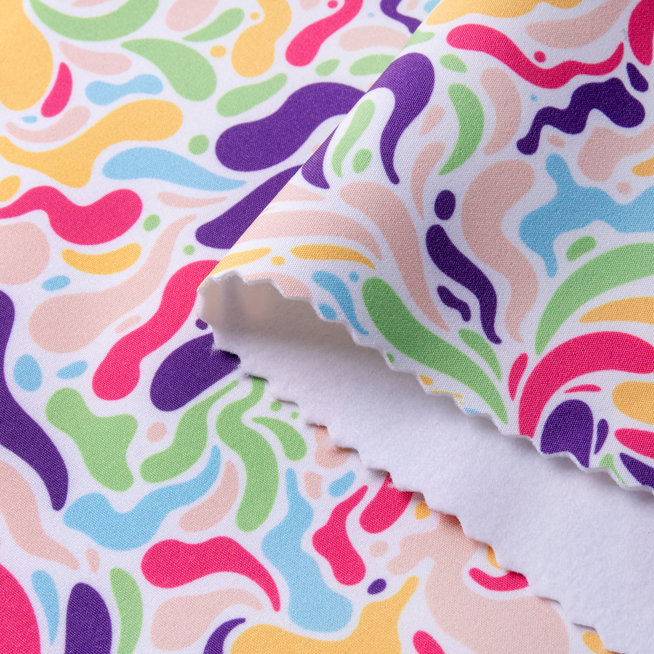
Polyester is one of the most commonly chosen fabrics for its durability and stain resistance. It is characterised by low water absorption, which means that liquid does not penetrate the fabric structure. Polyester is often used in the production of workwear and home textiles. It is also worth mentioning other stain-resistant fabrics such as Outdoor Fabric, which is ideal for outdoor applications, and Softshell Waterproof, valued for its water repellent properties.
Nylon
Nylon is an extremely hardwearing fabric with high abrasion and stain resistance. It is lightweight yet highly durable, making it an perfect material for sports and outdoor clothing. Thanks to its properties, nylon is ideal where garments are exposed to harsh weather conditions and intensive use.
Impregnated velour
Impregnated velour is a fabric with a soft, luxurious texture, which gains in functionality through an impregnation process. This involves soaking the fabric in special chemicals that make it stain-resistant. Used in upholstery and interior decoration, among other applications, this fabric is more durable than velour covered only with a protective coating, as the impregnating properties are deeply embedded in its structure.
Microfiber, especially when impregnated, is a fabric that combines excellent stain-resistant properties with remarkable softness and elasticity. Thanks to its fine structure, microfiber is extremely dirt-resistant and easy to keep clean. The material is widely used in sportswear, but also in home decorations such as curtains and cushions.
Stain-resistant fabrics – applications
- Workwear
Spot-resistant fabrics are the ideal solution for workwear, especially in industries where workers are exposed to a variety of stains such as oils, grease, chemicals or mud. The construction sector, the catering sector, the agricultural sector and the mechanical industry are just a few examples of places where workwear made of stain-resistant materials is widely used. Thanks to its resistance to moisture and dirt, this type of clothing allows employees to maintain a neat appearance for a longer period of time, which is extremely important in places where the image of the company plays a big role.
- Sports and outdoor clothing
Stain-resistant fabrics, such as nylon or impregnated microfibers, are widely used in the manufacture of sports and outdoor clothing. Clothing designed for physical activities has to withstand many challenges – from changing weather conditions to intensive use, contact with mud, sweat and water. Thanks to their stain resistance, these materials retain their properties even in harsh conditions.
- Interior decoration
For interior decoration, such as furniture upholstery, curtains or cushions, stain-resistant fabrics such as impregnated velour or polyester are a hit. In homes, hotels or restaurants, these textiles are particularly prone to stains from food, drinks and also everyday dirt. Impregnated textiles allow any dirt to be easily removed, keeping furniture and decorations looking fresh and tidy for longer.
- Hotel textiles
In the hotel industry, stain-resistant fabrics are almost indispensable. Hotel rooms, restaurants and other communal spaces must not only be aesthetically pleasing, but also resistant to intensive use. Tablecloths, bedding, bedspreads or the upholstery of hotel furniture are exposed to frequent use and a variety of stains, which is why stain-resistant fabrics such as polyester or impregnated fabrics are the best choice.
- Garden furniture and outdoor fabrics
Stain-resistant fabrics are also ideal for furniture and accessories used outdoors, such as garden cushions, parasols or furniture covers. Thanks to their resistance to water and dirt, fabrics such as Outdoor Fabrics or Waterproof Softshell are great for harsh weather conditions. The stain resistance and durability of these fabrics mean that they can be successfully used outdoors for long periods of time without worrying about damage or dirt.
- Children’s accessories
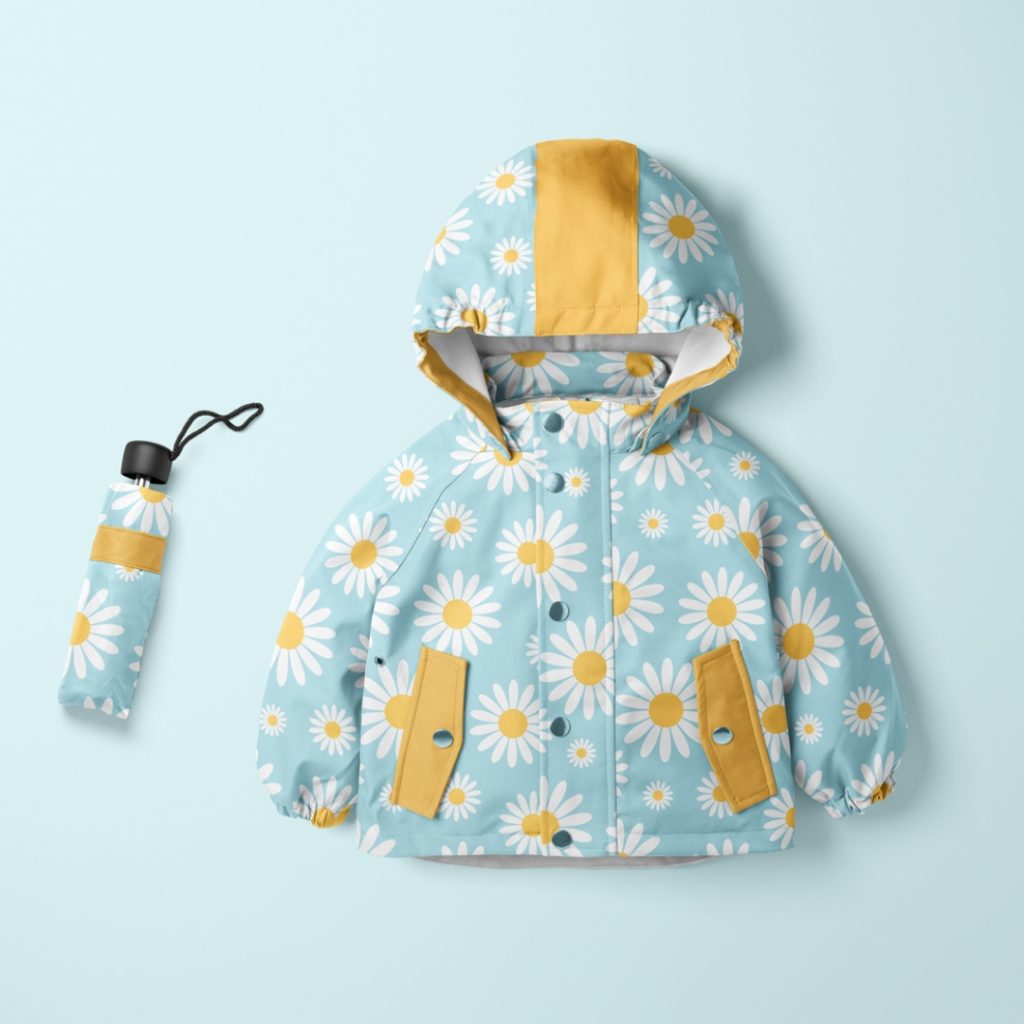
Stain-resistant fabrics are also used in the production of children’s accessories, such as bibs, pram covers, as well as clothes and textiles for the little ones. Thanks to their stain resistance, they are easy to keep clean, which is especially important for young children.
- Kitchen accessories
Stain-resistant fabrics are also perfect for the kitchen, where there is frequent contact with food, water, grease and other substances. Tablecloths, aprons, oven mitts and chair covers made from such materials are easy to clean, which makes them a popular choice both for home use and in restaurants or catering establishments.
Stain-resistant fabrics – summary
Stain-resistant fabrics are the ideal solution wherever functionality, durability and aesthetics are a priority. Thanks to modern technologies, such as impregnation or the use of special fibres, these fabrics are becoming increasingly popular in both fashion and interior decoration. Choosing the right stain-resistant fabrics makes it possible to create products that are not only practical, but also long-lasting.