Minky Fleece – properties, uses and sewing tips
Minky fleece has become a favourite across sewists, crafters and small ateliers. It’s ultra‑soft, plush and warm without being heavy – which is why it’s a go‑to for baby blankets, cushions and cosy loungewear. Also known as minky fabric or cuddle fleece, it combines the luxurious feel of plush fabric with practical durability. This guide explains what minky fleece is, when to choose it, how to sew it neatly and how to care for it.
What is minky fleece?
Minky fleece is a plush, microfibre polyester fabric known for its velvety pile and cuddle‑soft handfeel. It’s typically knit, with a brushed pile on the face and a smoother wrong side. Common variants include dotted/embossed minky fleece, smooth solid types and printed versions. Typical weights range from ~250 to ~380 g/m² (gsm), giving good warmth without bulk.
Why choose minky fleece fabric (benefits)
• Exceptionally soft and cosy while remaining lightweight.
• Durable: quality minky fleece resists pilling and keeps its loft after many washes.
• Colour and pattern variety: solids, embossed textures and printed designs.
• Easy care: machine‑washable, quick drying.
Minky fleece vs cotton: when each makes sense
• Texture: minky fleece feels silkier and plusher than standard polar fleece; fleece can feel more fibrous or structured.
• Warmth/breathability: fleece is a solid insulator for outerwear, while minky fleece shines for blankets and comfort projects.
• Price: quality minky fleece tends to be pricier than basic fleece; choose based on end‑use and desired softness.
• Cotton: natural, breathable and stable for quilting or backing; pairing cotton with minky fleece is ideal for baby blankets and cushions.
Popular uses
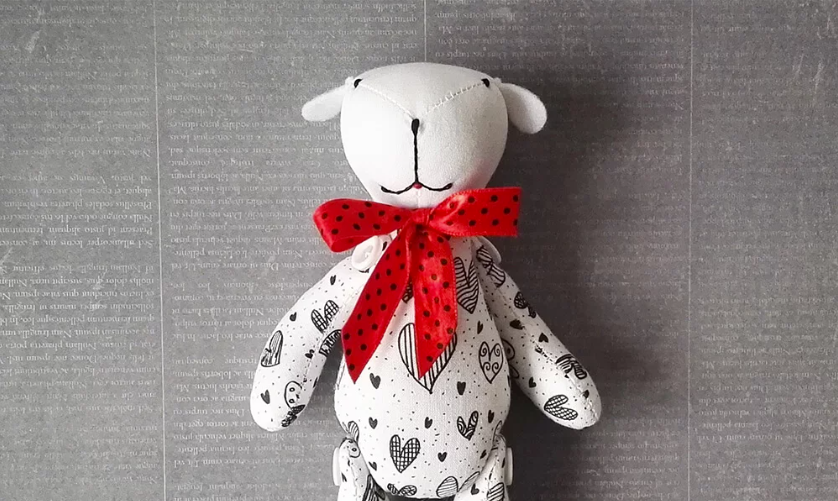
• Baby blankets, comforters, soft toys.
• Cushion covers and throws.
• Robes, lounge sets, snoods and hats.
• Pet beds and crate pads.
• DIY gifts and personalised items.
How to sew minky fleece cleanly
• Needle: stretch/jersey or microtex 70/10–80/12.
• Stitch: narrow zigzag or stretch stitch; length 2.5–3.5 mm. Reduce presser‑foot pressure if your machine allows.
• Control the nap: cut with the pile direction consistent; use with‑nap pattern layouts.
• Pin or clip generously; sew slowly to prevent layer creep (minky fleece on the feed‑dogs often helps).
• A walking foot or dual feed is helpful. Avoid stretching while cutting and sewing.
• Tidy up shed fibres after cutting (vacuum or lint roller).
Care and maintenance
• Machine wash cool (30 °C). Avoid bleach and fabric softeners.
• Do not iron directly; heat can crush or melt the pile.
• Line dry or tumble low; shake to fluff the pile after drying.
Following these steps preserves softness, loft and colour.
What to look for when buying minky fleece
• GSM/weight appropriate to the project (light for garments, heavier for blankets/throws).
• Pile height and embossing quality (uniform dots or texture, no bald patches).
• Print quality (even colours; good penetration on the pile tips).
• Trusted UK suppliers with consistent dye‑lots and stock continuity.
Project ideas
• Two‑layer baby blanket: printed minky fleece front + cotton or flannel backing.
• Envelope cushion covers with embossed minky fleece.
• Hooded robe or lounge throw.
• Soft plush toys with contrasting nap directions for texture.
• Pet bed with removable minky fleece cover.
Summary
Minky fleece fabric delivers a luxurious handfeel with practical durability. When you need softness and comfort – especially for blankets, cushions or baby items – minky fleece is often the best choice. With the right needle, stitch and handling, it sews up cleanly and stays beautiful wash after wash.