The Best Bedding Material: Comfort, Durability, and Tailoring to Your Needs
Sleep is one of the most important pillars of our health and well-being. We spend an average of one-third of our lives in bed, which is why bedding plays a crucial role in ensuring a comfortable and regenerative rest. The right bedding material influences not only the quality of sleep but also hygiene, product durability, and the aesthetics of the bedroom. In 2025, in the face of growing ecological awareness and health concerns, choosing the best bedding materials becomes even more important.
In this article, we will discuss in detail how to choose the best bedding, focusing on key criteria: comfort, durability, and seasonality. We will take a close look at various types of fabrics – from classic cotton to luxurious silk and practical microfiber, as well as natural fibers such as linen and bamboo. We will advise on which bedding material will work best for allergy sufferers and children, how to match bedding to interior style, and how to properly care for it so that it serves you for many years. Regardless of your preferences, our guide will help you make an informed decision and find quality bedding that will provide you with the highest level of sleep comfort.
Table of Content
- How to Choose the Best Bedding Material?
- Natural Bedding Materials
- Synthetic and Blended Bedding Fabrics
- Types of Cotton Fabrics and Their Properties
- Seasonal Bedding: How to Match Material to the Season?
- Bedding for Allergy Sufferers and Children
- Interior Style and Bedding Choice
- Care and Durability of Bedding
- Conclusion: Which Bedding Material to Choose in 2025?
How to Choose the Best Bedding Material?
Choosing the ideal bedding material is a decision that should be dictated by several key factors. These factors determine whether we wake up rested and full of energy.
Key Criteria: Comfort, Durability, and Seasonality
The first and most important criterion is sleep comfort. The material should be pleasant to the touch, not cause irritation, and provide adequate thermoregulation. The second aspect is durability. Bedding is used intensively and washed frequently, so it must be resistant to abrasion, fading colors, and deformation. Finally, seasonality – different materials will work well in summer, and others in winter, to ensure optimal temperature.
Importance of Fabric Weight and OEKO-TEX Certificate
The fabric’s weight, or weight per square meter, affects the durability and softness of the bedding. Higher grammage often means a denser weave and greater strength. For those who value safety and ecology, the OEKO-TEX certificate is extremely important. It guarantees that the material is free from harmful chemicals and is safe for the skin, even for infants and allergy sufferers. When looking for quality bedding, always check if the material has this certificate.
Impact of Material on Sleep Quality and Hygiene
The material from which the bedding is made directly affects the quality of our sleep. Natural fibers, such as cotton or linen, are breathable and allow the skin to breathe, which prevents sweating and ensures thermal comfort. Synthetic materials, such as microfiber, can wick away moisture faster but may be less breathable. The choice of the right material is also important for hygiene – some fabrics have anti-allergic or antibacterial properties, which is especially important for allergy sufferers and children.
Natural Bedding Materials
Natural bedding materials are a classic that is consistently appreciated for their properties and the comfort they offer.
Cotton: Universal and Breathable
Cotton is the absolute king among bedding materials. Its popularity stems from its versatility, breathability, and affordability. Cotton bedding is soft, pleasant to the touch, absorbs moisture well, and is easy to care for. The advantages of cotton bedding also include its durability and a wide range of available patterns and colors. It’s an ideal choice for anyone looking for quality bedding for everyday use.
Cotton Satin: Elegance and Softness
Cotton satin bedding fabric is a proposition for people who value elegance and a subtle sheen. It is a type of cotton that gives it a silky luster and extraordinary smoothness. Satin bedding is soft, gentle on the skin and hair, and also has thermoregulating properties – it pleasantly cools in summer and warms in winter. The best satin bedding is made of cotton satin fabric with a high thread count. It’s an excellent choice for those who desire luxury in their bedroom. This satin weave is known for its smooth surface.
Flannel: Warmth and Coziness for Winter
Flannel is an ideal material for cold autumn and winter nights. It is cotton with a special, brushed finish that creates a soft nap, providing excellent thermal insulation. Flannel bedding is extremely warm, cozy, and pleasant to the touch, giving a feeling of being embraced. It is also very durable and resistant to abrasion.
Linen: Breathability and Naturalness for Summer
Linen is another natural fabric valued for its properties. Linen bedding is extremely breathable, dries quickly, and has natural antibacterial and anti-allergic properties. It is also very durable and becomes softer over time. Linen bedding is characterized by a slightly raw but very stylish look, perfectly fitting into boho or Scandinavian aesthetics.
Silk: Luxury and Delicacy for Sensitive Skin
Silk is a symbol of luxury and sophistication. Silk bedding is incredibly smooth, soft, and gentle on the skin and hair. It has thermoregulating properties, cooling in summer and warming in winter. It is also hypoallergenic, making it an ideal choice for people with sensitive skin and allergies. Although more expensive, silk is an investment in the highest sleep comfort.
Bamboo: Antibacterial and Thermoregulating
Bamboo is a relatively new player in the bedding market, but it is rapidly gaining popularity. Materials such as bamboo viscose are incredibly soft, silky to the touch, and feature excellent thermoregulating properties – cooling in summer and warming in winter. Additionally, bamboo fibers have natural antibacterial and antifungal properties, making them an ideal choice for allergy sufferers and people with sensitive skin.
Wool: Warmth and Antiallergic Properties
Wool, especially cashmere or merino wool, is an excellent choice for winter bedding. It is extremely warm, yet breathable, thus preventing overheating. Many types of wool also have anti-allergic properties, as they do not promote the development of dust mites.

Synthetic and Blended Bedding Fabrics
In addition to natural materials, synthetic and blended bedding fabrics are also available on the market, offering specific properties.
Microfiber: Lightness, Quick Drying, and Hypoallergenic
Microfiber is a synthetic material characterized by extraordinary softness, lightness, and fluffiness. It is very easy to care for, dries quickly, and is wrinkle-resistant. Importantly, microfiber is hypoallergenic, making it a good choice for allergy sufferers and children.
Minky Fleece: Softness and Safety for Children
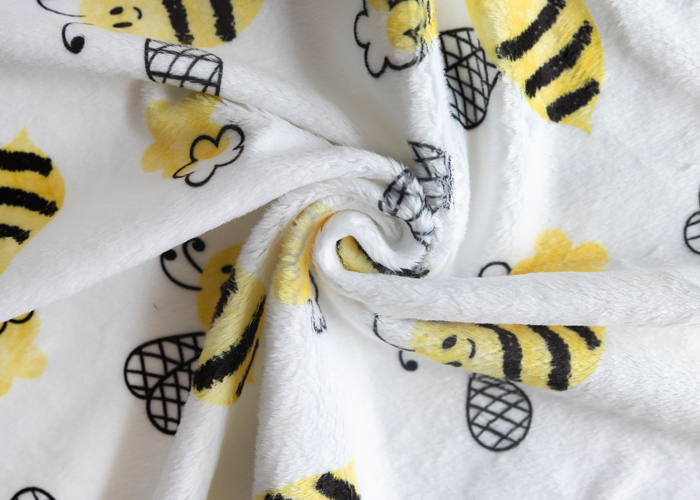
Minky fleece is a material with an extremely soft and plush texture, often used in bedding for children and infants. It is safe, pleasant to the touch, and provides warmth. However, it is worth remembering that it is a synthetic material and may be less breathable than natural fibers.
Types of Cotton Fabrics and Their Properties
Cotton is a broad category, and within it, we distinguish many types of fabrics that differ in weave, grammage, and properties. Knowing these differences will help you choose the best cotton bedding.
Egyptian Cotton: Luxury and Durability
Egyptian cotton is considered one of the most luxurious and durable varieties of cotton in the world. Long fibers make the fabric incredibly soft, smooth, and resistant to pilling. Egyptian cotton is a symbol of the best quality and exceptional comfort, often found in Egyptian cotton satin or Egyptian cotton duvet.
Percale: Dense Weave and Wash Resistance
Percale is a type of cotton weave characterized by a dense, flat, and matte surface. Percale cotton bedding is exceptionally durable, wash-resistant, and becomes softer over time. It is a material valued for its freshness and breathability.
Ranforce: Durability and Naturalness
Ranforce is a high-quality cotton with a dense weave, similar to percale. It is durable, resistant to deformation, and color fading. It is a popular choice for cotton bedding due to its durability and natural properties.
Jersey: Elasticity and Softness
Jersey is a cotton knit fabric that is elastic and soft to the touch. Jersey bedding does not require ironing, which makes it a very practical choice. It is also breathable and adapts well to the shape of the body.
Seersucker: Practicality and No Ironing Required
Seersucker is a specific type of cotton with a characteristic, puckered texture. It is extremely practical because it does not require ironing. Seersucker bedding is lightweight, breathable, and durable, although its texture may not appeal to everyone.
Batiste: Lightness and Delicacy
Batiste is a very thin, lightweight, and delicate cotton, often used in the production of exclusive bedding. It is extremely breathable and ideal for hot nights, but may be less durable than other cotton varieties.
Seasonal Bedding: How to Match Material to the Season?
Matching the bedding material to the season is key to ensuring optimal sleep comfort and temperature throughout the night.
Summer: Linen, Silk, Batiste, and Bamboo
For warm summer nights, materials that provide coolness, breathability, and effectively wick away moisture are ideal. Linen, silk, batiste, and bamboo reign supreme here. Their thermoregulating properties and breathability ensure comfort even on hot nights.
Winter: Flannel, Wool, and Minky Fleece
In the cold winter months, opt for materials that provide warmth and coziness. Flannel, wool (especially cashmere or merino wool), and minky fleece (for the youngest) are excellent choices that will wrap you in warmth and allow for peaceful sleep.
Year-Round Solutions: Cotton, Cotton Satin, and Microfiber
If you are looking for universal solutions that will work all year round, cotton (especially combed cotton or Egyptian cotton), cotton satin, and microfiber are great options. They offer good breathability and thermal comfort in various conditions.
Bedding for Allergy Sufferers and Children
Choosing the right bedding is especially important for allergy sufferers and children, due to their sensitive skin and tendency to allergies.
Hypoallergenic Materials: Bamboo, Microfiber, Cotton
For allergy sufferers, materials with anti-allergic properties that do not promote the development of dust mites and other allergens are recommended. This group includes bamboo, microfiber, and high-quality cotton (especially with the OEKO-TEX certificate).
Safe Fabrics for Children and Newborns
For bedding for children and newborns, it is absolutely essential to choose the best quality fabrics that have the OEKO-TEX Standard 100 Class I certificate. This guarantees that the material is free from harmful substances and is completely safe for a child’s delicate skin. Cotton, cotton satin, and bamboo are popular and safe choices.
Interior Style and Bedding Choice
Bedding is not only a functional element but also an important decorative element that can completely transform the look of a bedroom.
How to Match the Material and Appearance of Bedding to Bedroom Arrangement?
Matching the material and appearance of the bedding set to the bedroom arrangement is key to creating a harmonious and cohesive interior. In minimalist bedrooms, smooth satin bedding or matte percale cotton in subdued colors will work perfectly. For boho-style interiors, linen bedding or cotton bedding with ethnic patterns will fit. In glamorous bedrooms, shiny satin or silk will look great.
Decorative Bedding: Jacquard and Damask
For those looking for bedding with richer patterns, fabrics such as jacquard or damask will be ideal. Jacquard is a fabric in which patterns are woven into the structure of the material, creating a three-dimensional effect. Damask is a type of jacquard, often made of silk or high-quality cotton, characterized by a subtle, satin sheen and classic patterns. This is an excellent choice for decorative bedding that is to be the main element of the bedroom decor.
Care and Durability of Bedding
Proper care is crucial for maintaining the durability and beauty of bedding, regardless of the chosen material.
How to Care for Different Bedding Materials?
Each material requires slightly different care. Always follow the manufacturer’s recommendations on the label. Generally, cotton bedding and cotton satin can be washed at higher temperatures, while silk and linen require more delicate handling. Flannel bedding may pill if washed at too high a temperature or with other materials.
Impact of Fabric Weight and Type on Bedding Lifespan
The fabric’s weight directly affects the lifespan of the bedding. Materials with a higher grammage, such as Egyptian cotton or percale, are usually more durable and resistant to wear and tear. The type of weave also affects strength – dense weaves are more resistant to abrasion. By investing in good quality bedding, we can enjoy it for many years.
Conclusion: Which Bedding Material to Choose in 2025?
Choosing the best bedding is an investment in your sleep comfort and overall well-being. In 2025, we have access to a wide range of best bedding materials that can be tailored to individual needs, preferences, and the season.
Recommendations Depending on Needs and Preferences
- For versatility and everyday comfort: Cotton (especially combed cotton, ranforce).
- For elegance and delicacy: Cotton satin or silk.
- For cold nights: Flannel or wool.
- For hot weather and allergy sufferers: Linen, bamboo, batiste.
- For practicality and allergy sufferers: Microfiber.
- For children: Cotton or bamboo with an OEKO-TEX certificate.
Best Combinations of Comfort, Aesthetics, and Functionality
Remember that the advantages of bedding result from choosing the right bedding material for your needs. Whether you choose classic cotton bedding, luxurious satin cotton bedding, or practical microfiber, always opt for good quality bedding and best quality fabrics. The right choice of bedding set is a guarantee of a peaceful and regenerative sleep, which is the foundation of your health and energy.