Face masks – how to sew them?
Face masks are currently one of the most desired items. They are used not only by healthcare workers but also by those who want to take care of their safety. What is more, they work well in winter, when the air quality drops dramatically. In times when it is difficult to get a face mask, it is worth thinking about how to do it yourself.
Table of Content
- Face masks and their functions
- Face masks – how to make them?
- How to sew a face mask?
- Best fabric for face mask
- Personalised face mask fabrics
Face masks and their functions
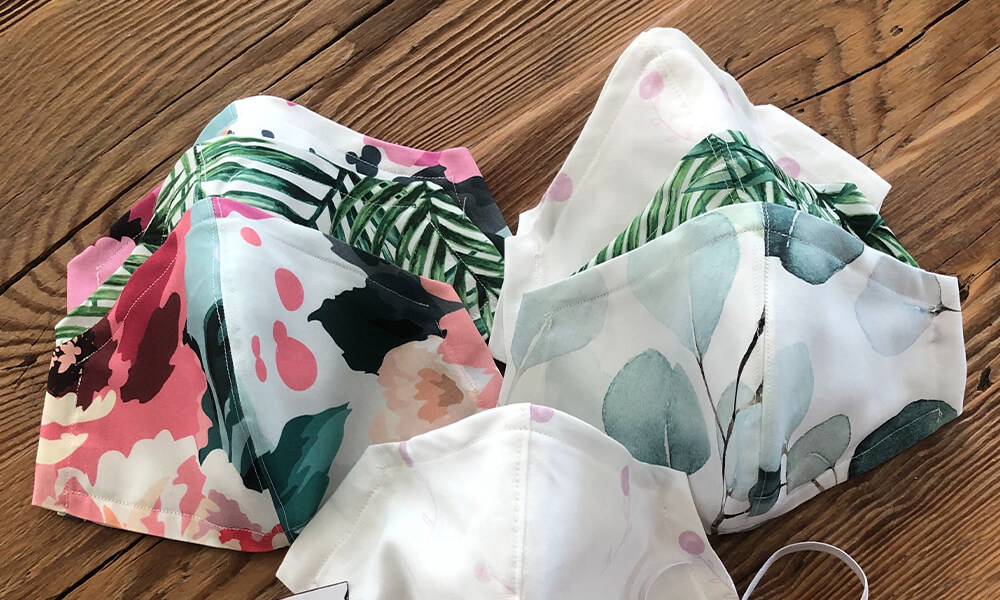
Primarily, face masks serve a medical function of protecting the nose and mouth against all pathogens. Wearing them reduces the risk of viral infections efficiently. They are intended not only for doctors or medical staff but also for ordinary people who want to take care of their health. Masks can also be used by children. Such additional elements protect against transmission of microorganisms or viruses.
The main idea of fabric face masks is to protect the user against the transmission of dangerous diseases via droplets. Additionally, it minimises the transmission of coronavirus. Protective masks are easy to use, do not cause discomfort or hinder breathing. Highly flexible models are the most comfortable as they do not have to be tied at the back of the head. Another considerable advantage is their high durability and resistance to types of damage.
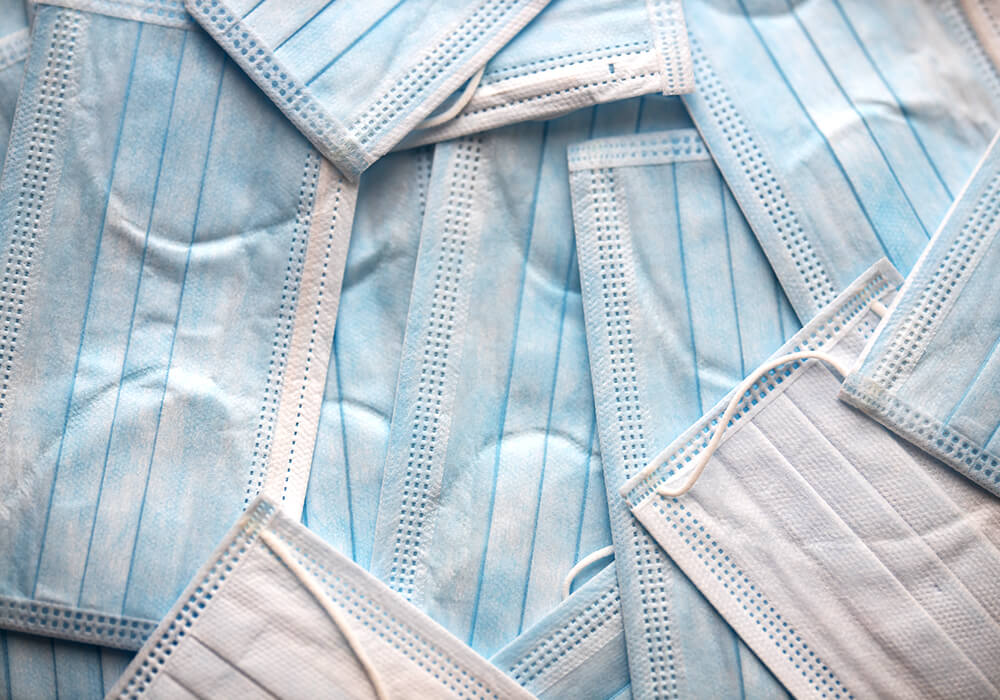
See also: Sewing fabrics – where to buy them?
However, it is worth remembering that masks have to be changed if they are to be worn day and night. Face masks can only be used for a limited time. Unfortunately, wearing masks alone does not completely protect the body against viruses. It is also worth to introduce other prophylactic elements into the daily routine. Regular and meticulous washing of hands and face, as well as avoiding touching the nose or eyes are the basis for greater health safety.
Face masks – how to make them?
The most significant advantages of a protective fabric face mask are its practicality and wearing comfort. However, to serve its purpose, it is necessary to put it on correctly. Otherwise, the body will not be protected against viruses or microorganisms.
It is quite simple to make a mask on your own, which is why everyone, even those without sewing skills, can create it. You can also sew it manually, without the help of a sewing machine. It only requires a little more patience. To create one, you can use various materials such as interlining cloth, microfibre cloth or dust bag fabric, as well as rubber bands, tape measure, scissors and tape. It is also worth investing in a new textile that will ensure an attractive and original look of the mask. Thanks to that, this pro-healthy addition will be an exciting accessory, which not only protects against infections but also decorates the wearer.
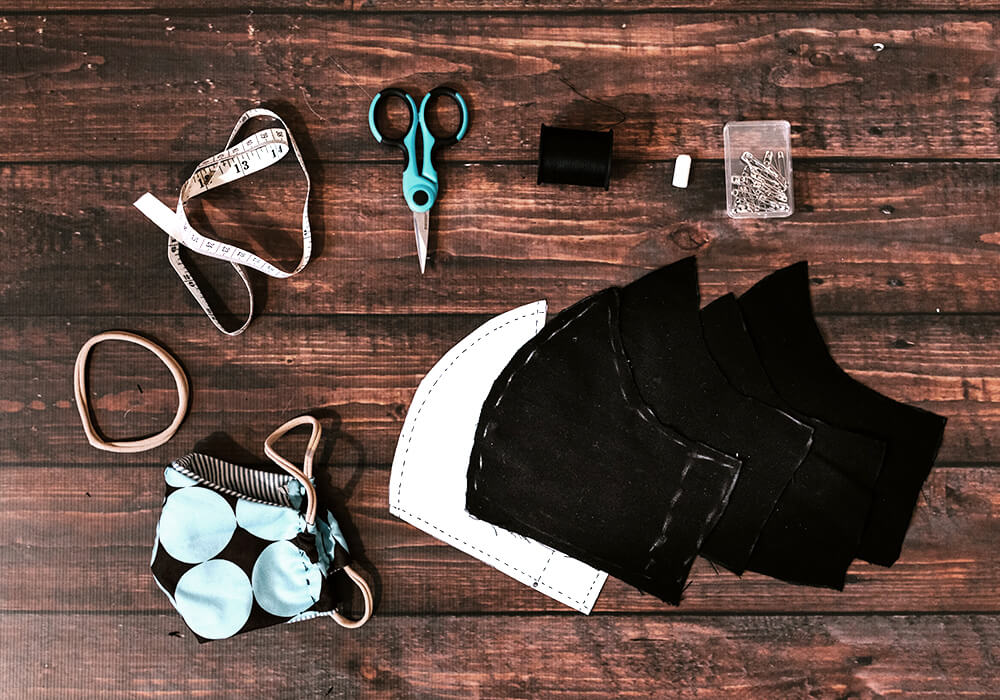
It is quite simple to make a mask on your own, which is why everyone, even those without sewing skills, can create it. You can also sew it manually, without the help of a sewing machine. It only requires a little more patience. To create one, you can use various materials such as interlining cloth, microfibre cloth or vacuum dust bag fabric, as well as rubber bands, tape measure, scissors and tape. It is also worth investing in a new textile that will ensure an attractive and original look of the mask. Thanks to that, this pro-healthy addition will be an exciting accessory, which not only protects against infections but also decorates the wearer.
See also: Fabrics – what to take into consideration when choosing them?
Where to get a filter for your
How to sew a face mask?
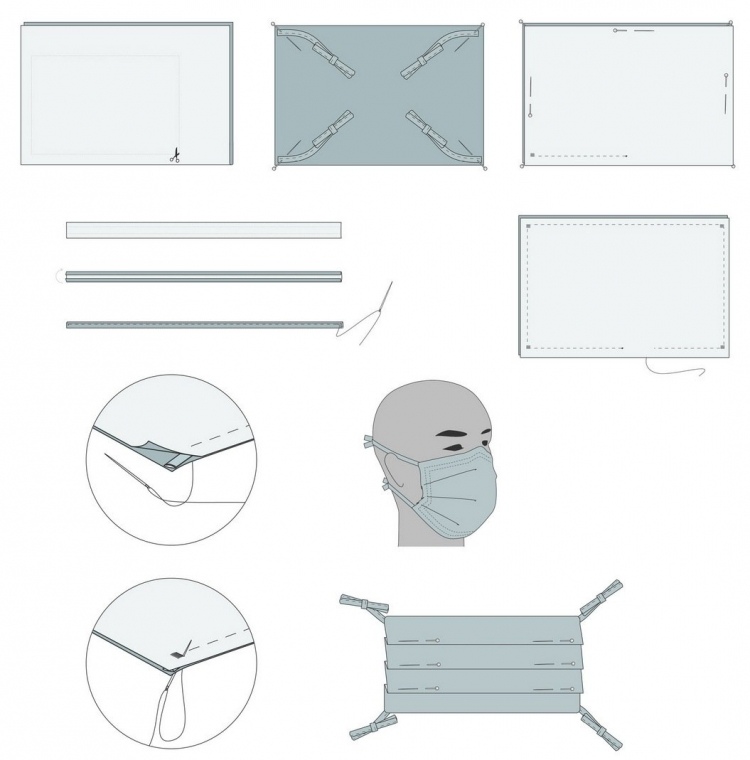
1. Cut two 20cm x 19cm rectangles out of the previously prepared fabric.
2. Mark fold lines for overlaps on the shorter edge of the fabric every: 3cm, 3cm, 1,5cm, 3cm, 1,5cm, 3cm. Leave 4cm of fabric near its end in reserve.
3. Fold so that the first two 3cm lines overlap. Create the rest of the overlaps by matching the 1,5cm lines with the subsequent 3cm lines.
4. Iron the overlaps and either pin them together or sew using a tacking stitch.
5. Fold the two pieces of fabric together right side inwards and sew the top edge with a straight stitch. Leave an approximately 8cm wide unstitched opening at the bottom edge of the mask.
6. Slide the straps or rubber bands through the unstitched side edges, pinning them in the corners of the
7. Sew the side edges of the mask together, at the same time sewing in the straps or rubber bands.
8. Turn the mask out through the pocket at the lower edge.
Best fabric for face mask
Depending on the type of mask you want to make, you have to choose fabric for face mask accordingly. Fabric face masks can be done using both woven and knitted fabrics, it’s up to you to decide, which one will work best for you. Cotton fabric for masks is probably your best bet, as they are breathable and natural, so won’t irritate the skin, even if you have to wear your mask for longer periods of time.
Face mask fabric for summer
When the weather is getting warmer, it’s important to choose fabric face masks that won’t obstruct too much of the airflow and provide you with the most comfort possible. If you have oily or mixed skin type you may experience mascne, especially if your face tends to get a bit sweaty. To prevent acne you can opt for organic cotton face mask fabric that is 100% natural and free from any chemical substances or GMOs.
Personalised face mask fabrics
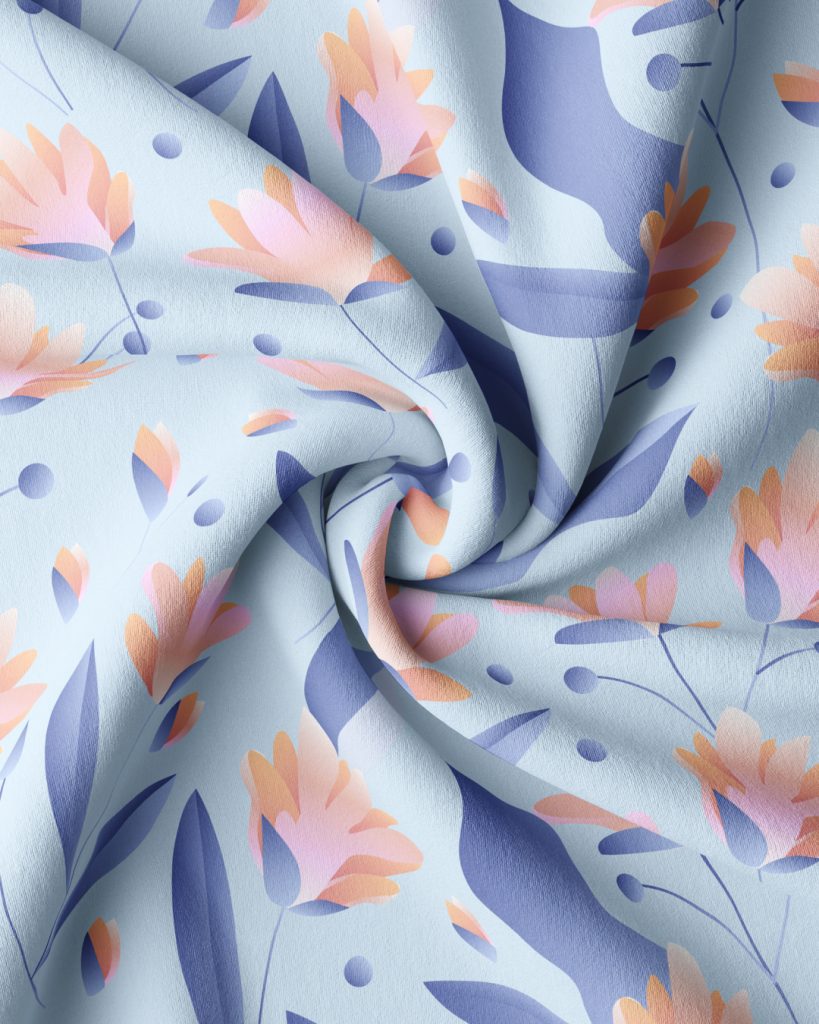
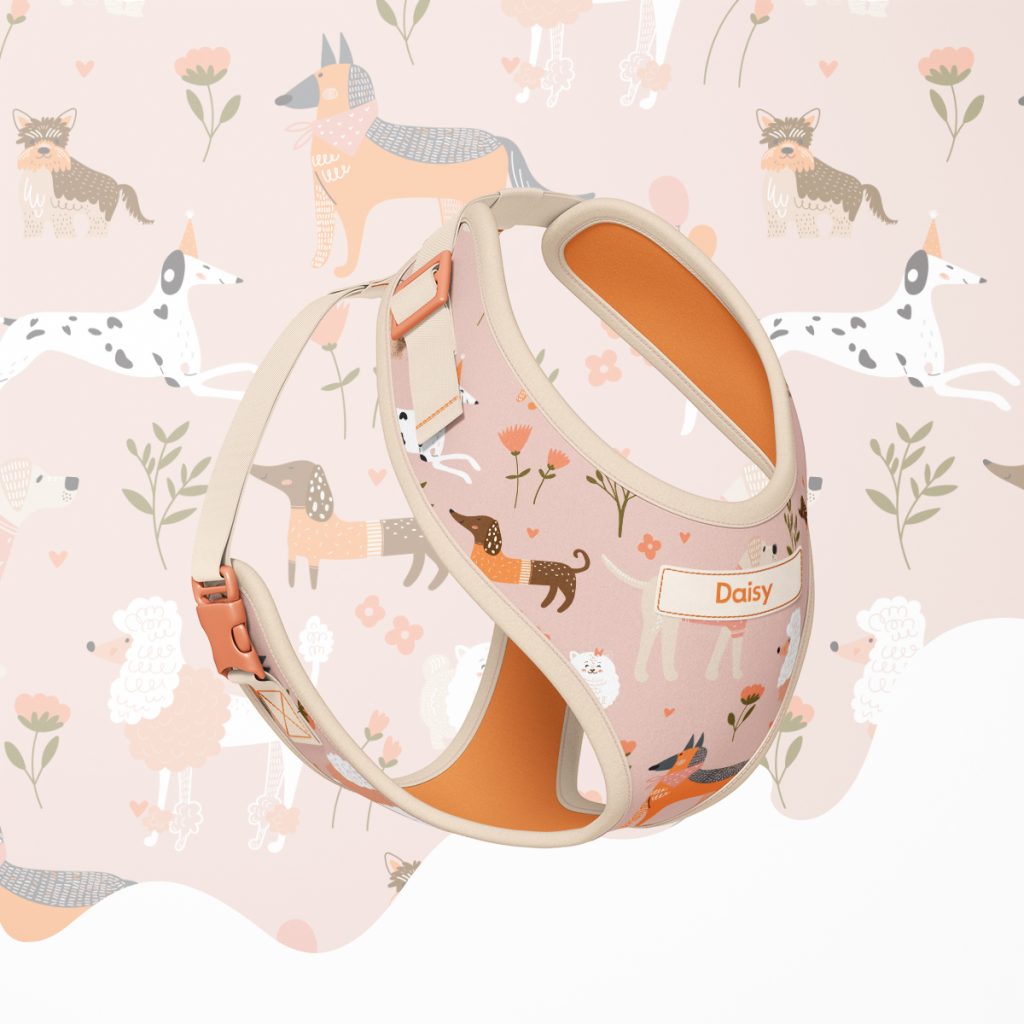
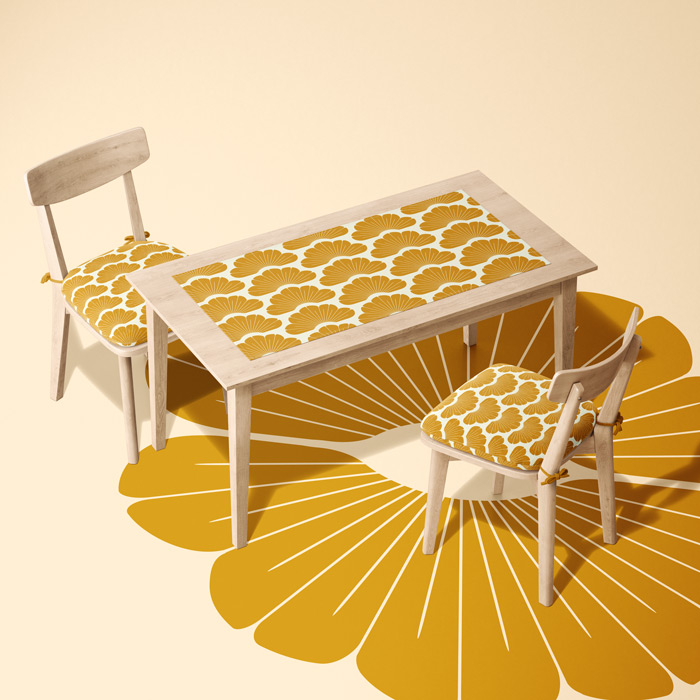
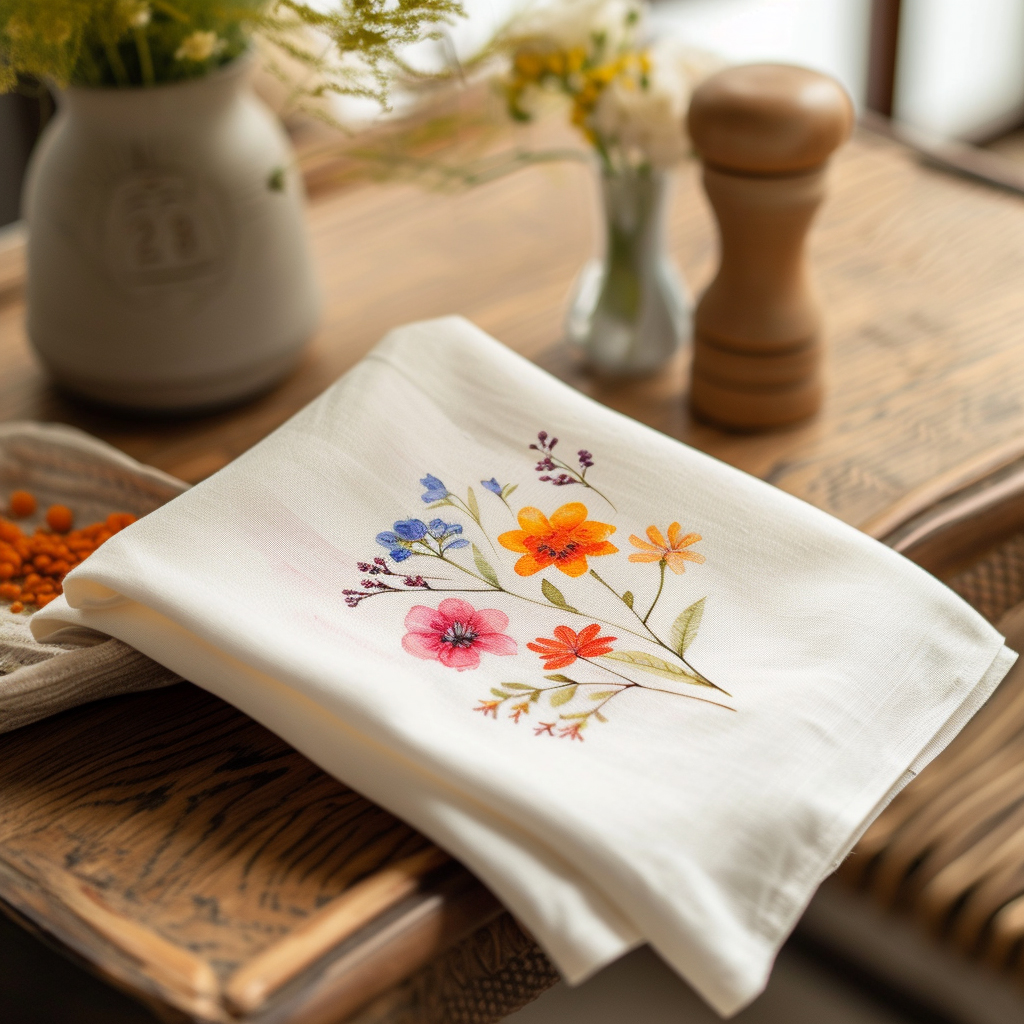
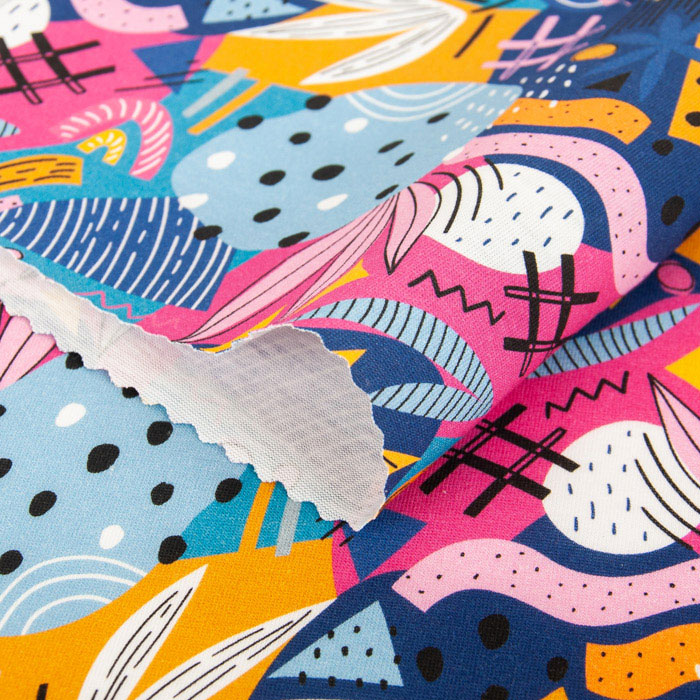
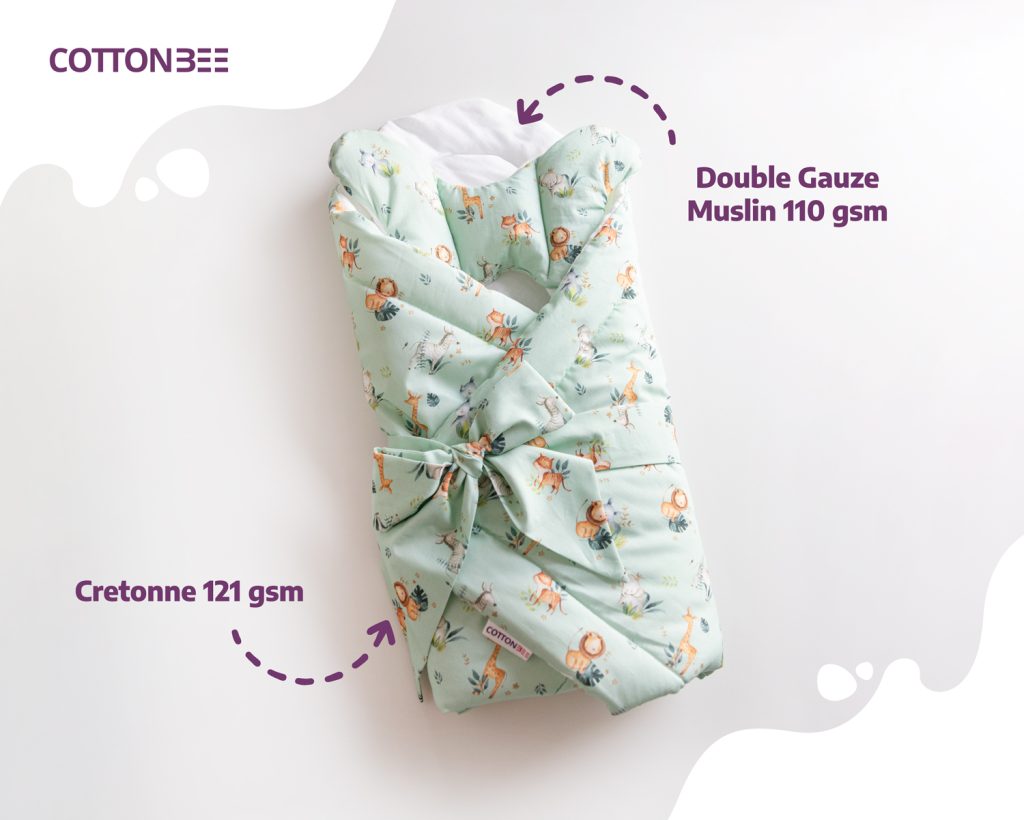
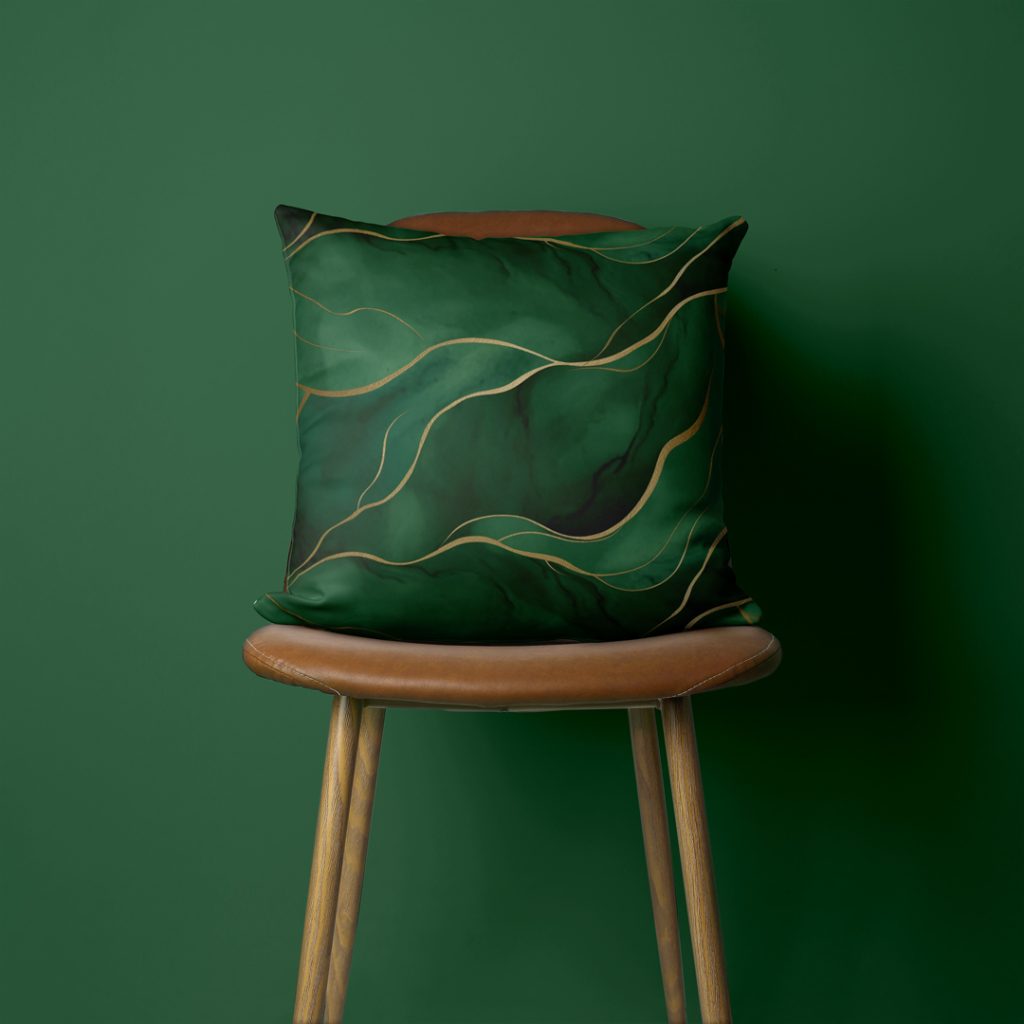
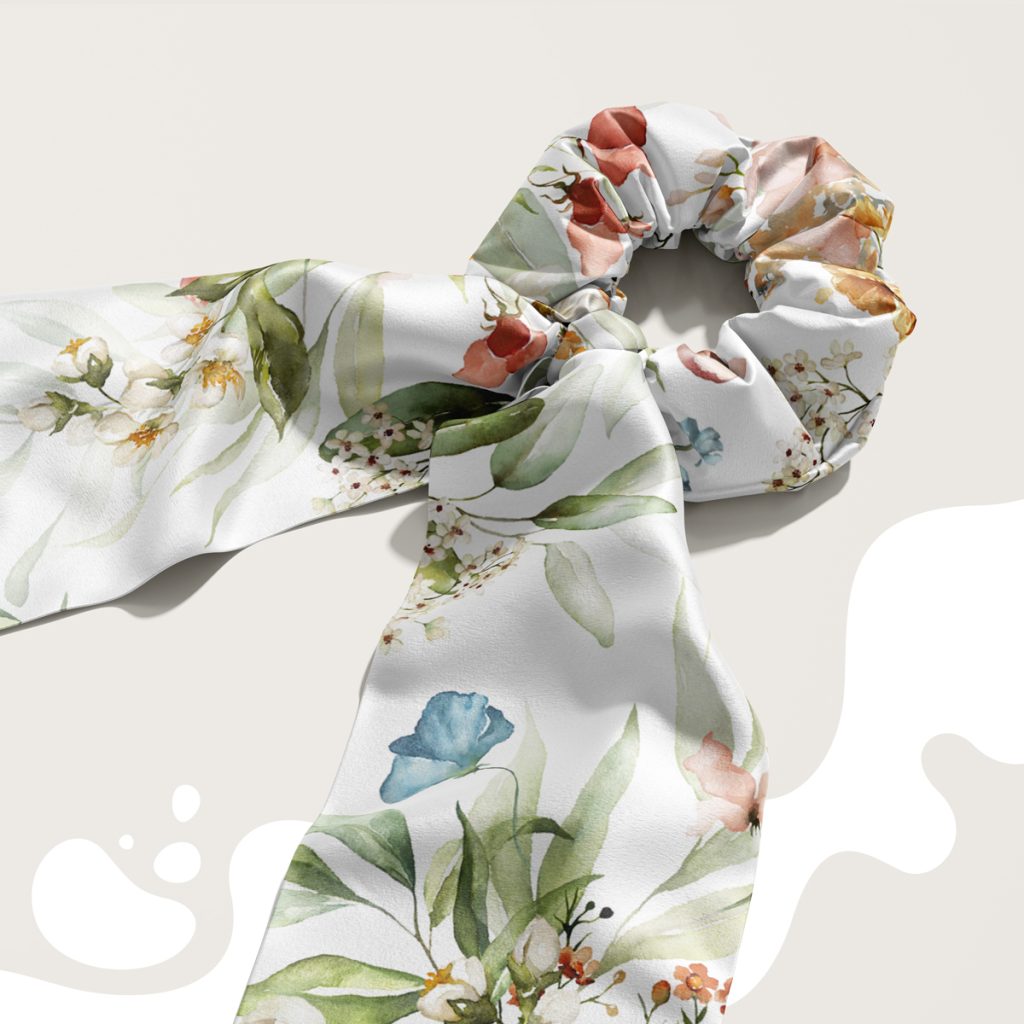
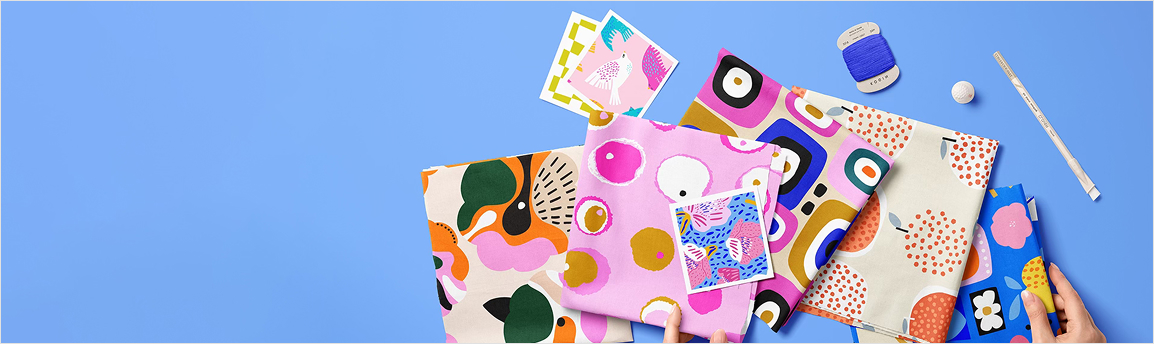
Personalised sewing fabrics are a great way to turn a regular and plain medical mask into a decorative element of your outfit. Designing a sewing fabric is also a fascinating solution. However, it is worth remembering that those woven and knitted fabric for face mask has to hold the OEKO-TEX certificate, which is the world’s leading textile safety mark. Products bearing this mark are sure to be free of substances harmful to human health. Natural fabric for face mask made of high-quality Polish cotton are a perfect and safe fabric for your masks.
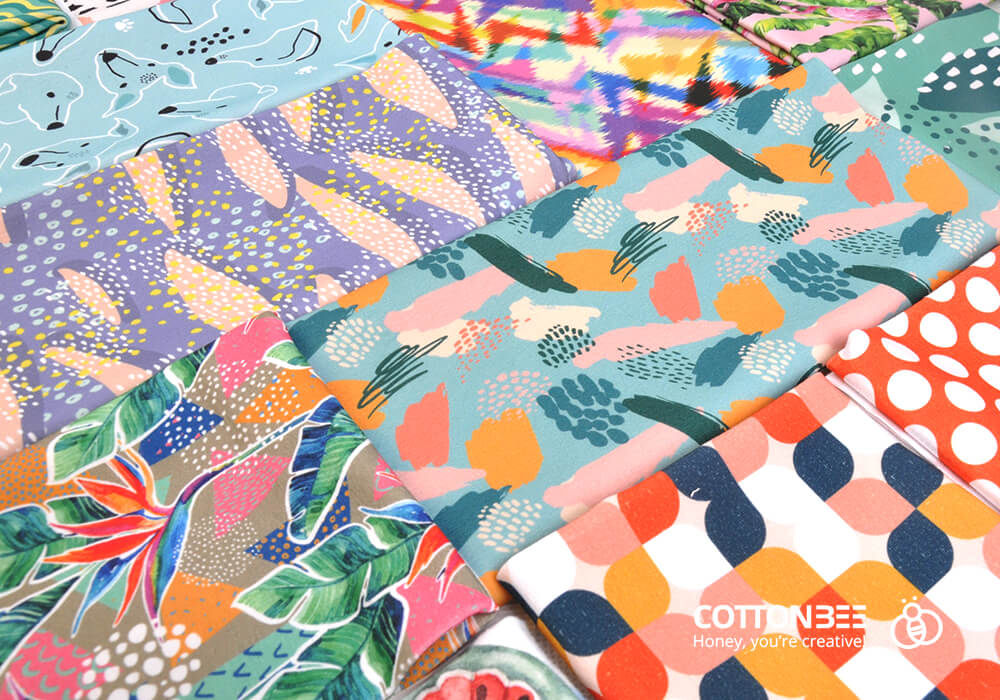
A respiratory mask fabric that you have designed yourself is undoubtedly a guarantee of originality. Custom sewing fabrics are designed step by step. What has to be done? Just send a graphics file with your design, choose the type and size of the fabric, pick how the pattern is to be repeated, specify the size of a single repetition, and lastly add the product to the cart.