How much fabric do I need to sew clothes? Quick guide
Do you have a specific project in mind but don’t know how much material you need to complete it? Or maybe you have coupons for 1.5-2 meters of fabric in your wardrobe and you don’t know what to do with them? See how to easily estimate how much material you need so you never have to worry about whether you are ordering too much or too little material.
Table of Contents
- The simplest way out – ready-made patterns
- Sewing without a ready-made pattern – decide what you will sew
- How to determine how much material is needed?
- Lay out the pattern on the floor
- Sum the lengths
- How much material do you need for specific clothes?
- Don’t forget about additional elements!
- What about patterns?
The simplest way out – ready-made patterns
In order not to worry about calculating or estimating how much fabric or knitwear you need, reach for a ready-made pattern. Professional, commercial patterns, in addition to detailed sewing instructions, also tell you how much fabric is needed to sew a specific size. In patterns, you will often also find a diagram of pattern placement on the material, thanks to which you will use the purchased fabric in the most optimal way.
Sewing without a ready-made pattern – decide what you will sew
If you are sewing from a hand-made pattern, start by determining all the details of your project. All components affect the amount of material needed to sew a garment. The length and style of the sleeves, the width and length of the legs or the length and style of the skirts – all affect the amount of fabric you will need to complete your project.
How to determine how much material is needed?
If you do not have the amount of fabric specified in the pattern or you create it yourself, you need to estimate how much fabric or knitwear you need to sew the project. There are several simple ways to calculate the amount of fabric needed to sew a particular garment.
Lay out the pattern on the floor
Already have a pattern ready? Cut out all the pattern elements. The material rolls are usually 140 cm wide, but if you are ordering the material and you already know the exact width, transfer this dimension to the floor. At this width, start laying out the elements of your pattern, leaving the necessary seam allowance between them. When you manage to lay out all the elements so that they do not overlap, measure how much space they take up on the floor. Now you know how much material you need to order.
Sum the lengths
The second popular way to calculate the amount of material needed for a project is to add up the length (height) of the components of the garment. In the case of a skirt, it will be the length of its base, for example, 60cm, plus a margin for sewing the belt (2cm), the belt itself, let’s say 4cm and a margin for the hem, here also 4cm. The total is 70 cm, so adding a margin of error, we will sew the skirt from 80 cm of fabric. In the case of a more complicated project, let’s say a dress, we add up the length of: the sleeve, the hem and hem allowance, the length of the main part of the dress, the hem allowance, etc. If you are sewing a dress with a cut at the waist, add the allowance for joining the top and bottom of the dress. The more complicated the cut, i.e. more frills, accessories, etc., the greater the consumption of fabric.
How much material do you need for specific clothes?
Perhaps you have a piece of clothing in your closet that you want to make your version of. But how to check how much fabric will be needed to sew it without cutting the clothes? Just measure the lengths and add extra.
To sew trousers, measure the outer part of the leg, from the waist to the floor and add approx. 20 cm. For a shirt, measure the outer length of the sleeve, preferably with the elbow slightly bent, and the length of the shirt from the shoulder. Add to this a 20cm supply. In the case of strongly flared dresses and skirts (including those from the circle), measure the length of the skirt, multiply it x2 and add approx. 20 cm of allowance.
Don’t forget about additional elements!
Ruffles, pockets, cuffs, neckline hems and all additional cut elements increase material consumption. Never forget about them and if there are a lot of them in the project, add from 0.5 to 1 m of material to cut out these elements.
What about patterns?
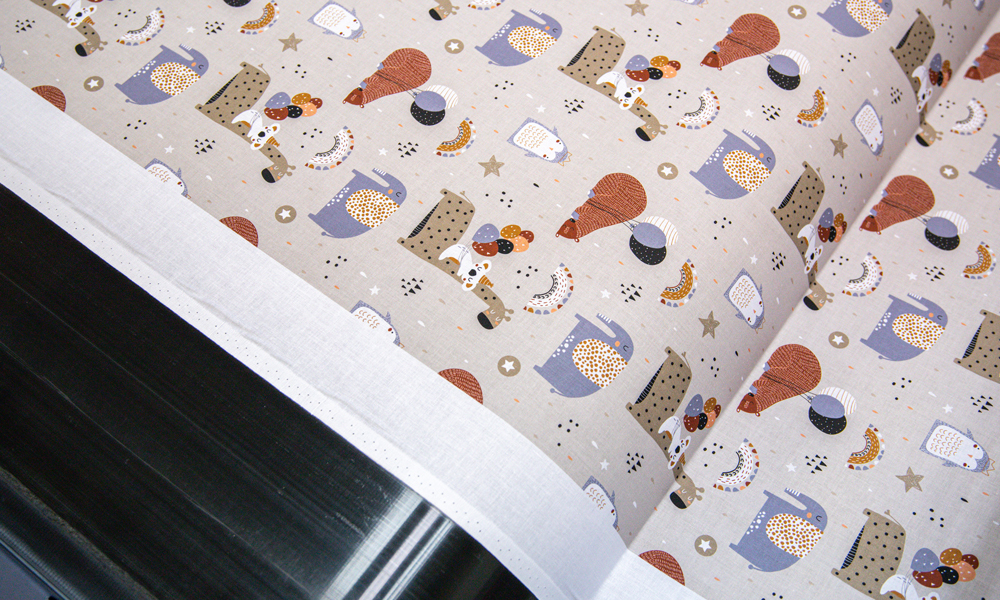
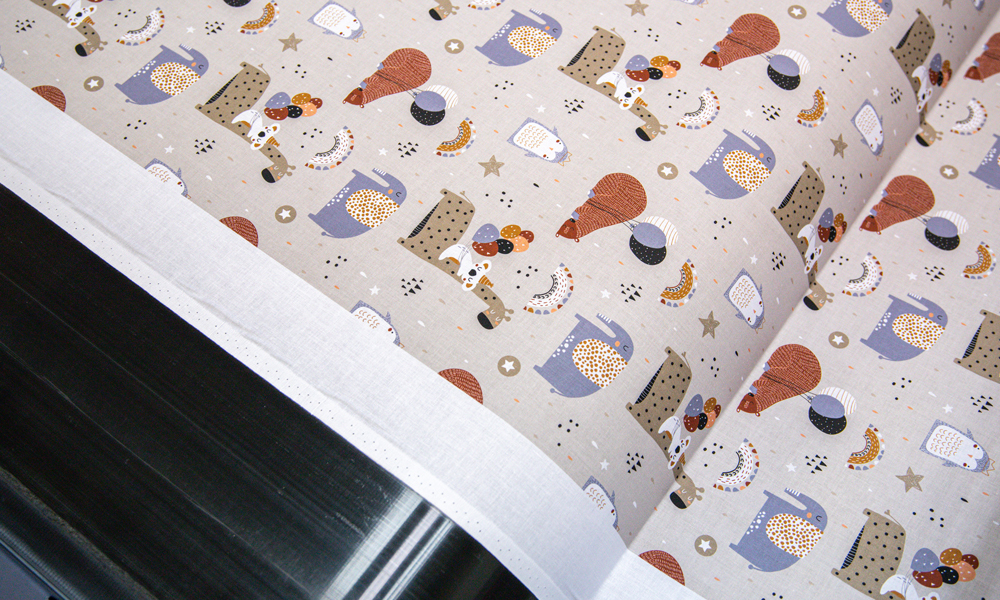
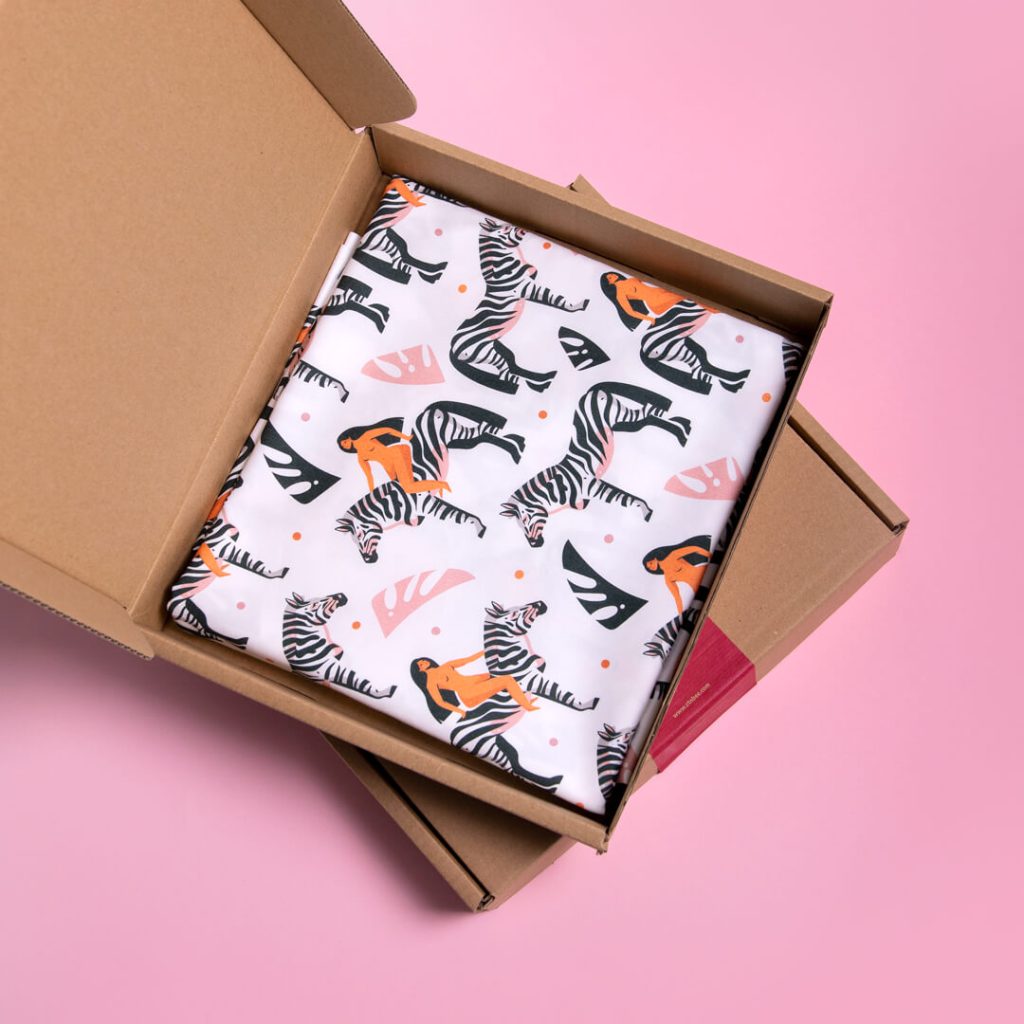
Sewing with printed fabrics can be more of a challenge when you calculate how much fabric you need. If you choose printed cotton with patterns that have a specific direction for your project, you must take into account that all elements should be arranged in one direction. In the case of a circle skirt, you will not place the back part right next to the front part, so as to save the fabric – in this case, the pattern on the back part will be upside down. The arrangement of the pattern elements on the printed material must also be different in the case of patterns that are to be beautifully combined with each other, for example, checks, stripes, etc.