How pattern size can influence an outfit?
Dressing up is not only about comfort and protection from the elements but also an excellent form of expressing our individuality. Today, thanks to technological advancements, we have the opportunity to design and print our own patterns on fabrics, which then become our personal clothing. As the fashion industry evolves, we discover that the size of the pattern on our clothes plays a crucial role in shaping the proportions of our silhouette and affects the optical impression of our body.
Table of Contents
- Pattern size on clothing – proportions and perception of body shape
- The impact of pattern size on proportions
- Visual effects of pattern size
- Pattern and fabric type
- Personalization as a key element
- How do different patterns affect our body shape?
- Stripes
- Florals
- Simple tricks using patterns
Pattern size on clothing – proportions and perception of body shape
You will see how the size of the pattern on the fabric can influence our silhouette and how conscious use of this effect can emphasize our assets and hide any imperfections.
Patterns and body proportions
We often don’t think about it, but patterns on clothes, both large and small, can significantly influence the perception of our silhouette. How the garment looks on us is a result of the interaction between the pattern, the shape of the clothing, and our individual body proportions. By choosing the right pattern and placing it in the appropriate areas of the garment, we can gain visual harmony and confidence. The selection of the right pattern size can help in correcting body proportions. For example, a large pattern in an area we want to visually enlarge can achieve that, while a small pattern in an area we want to hide can help reduce the appearance of broad shoulders or hips.
The impact of pattern size on proportions
A large pattern may seem overwhelming on a petite person, while on larger body types, it may look surprisingly proportional. On the other hand, a small pattern on a tall and slender figure can create an illusion of even more delicacy, while on fuller figures, it may appear too small and disproportionate.
Visual effects of pattern size
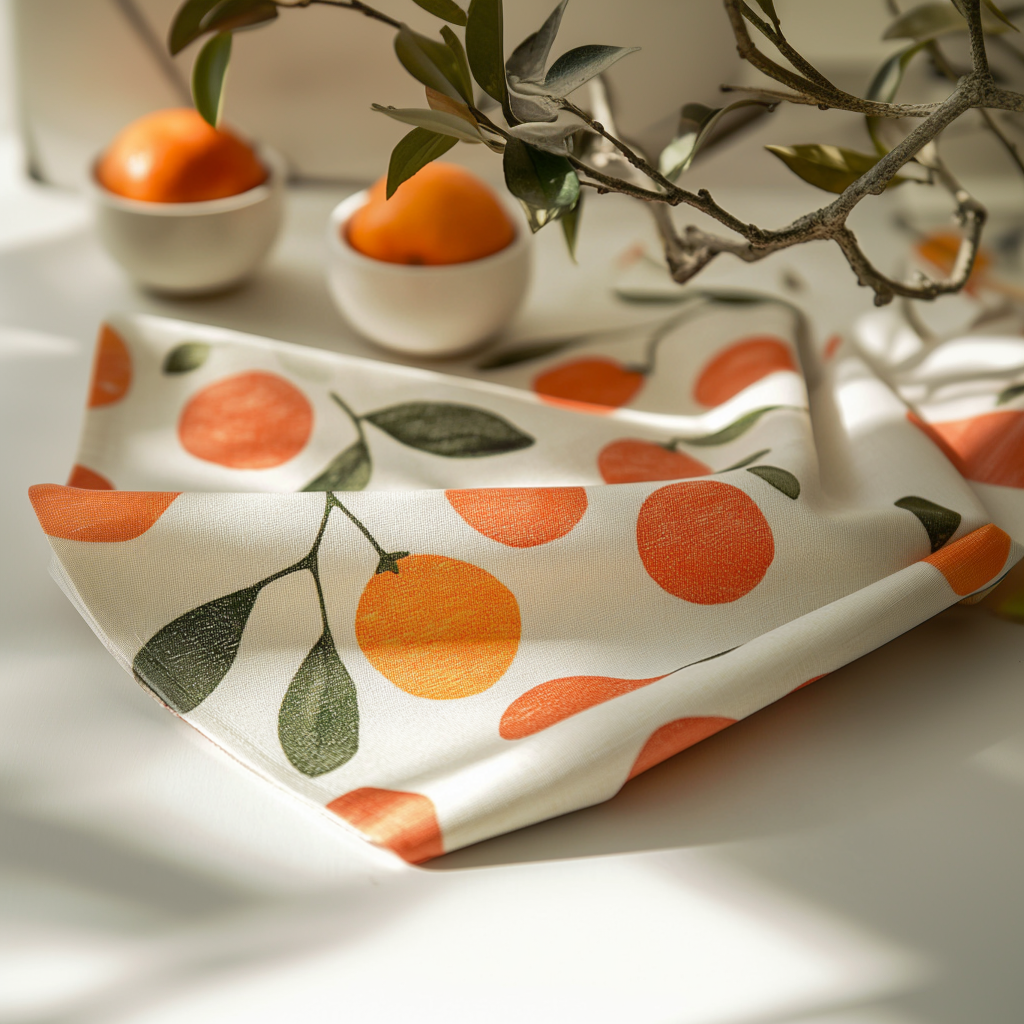
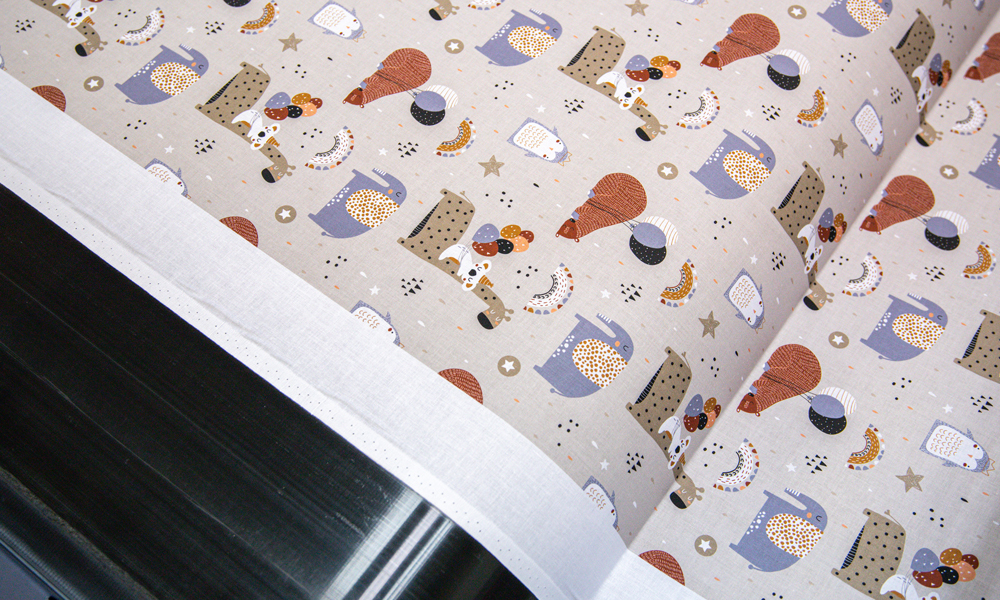
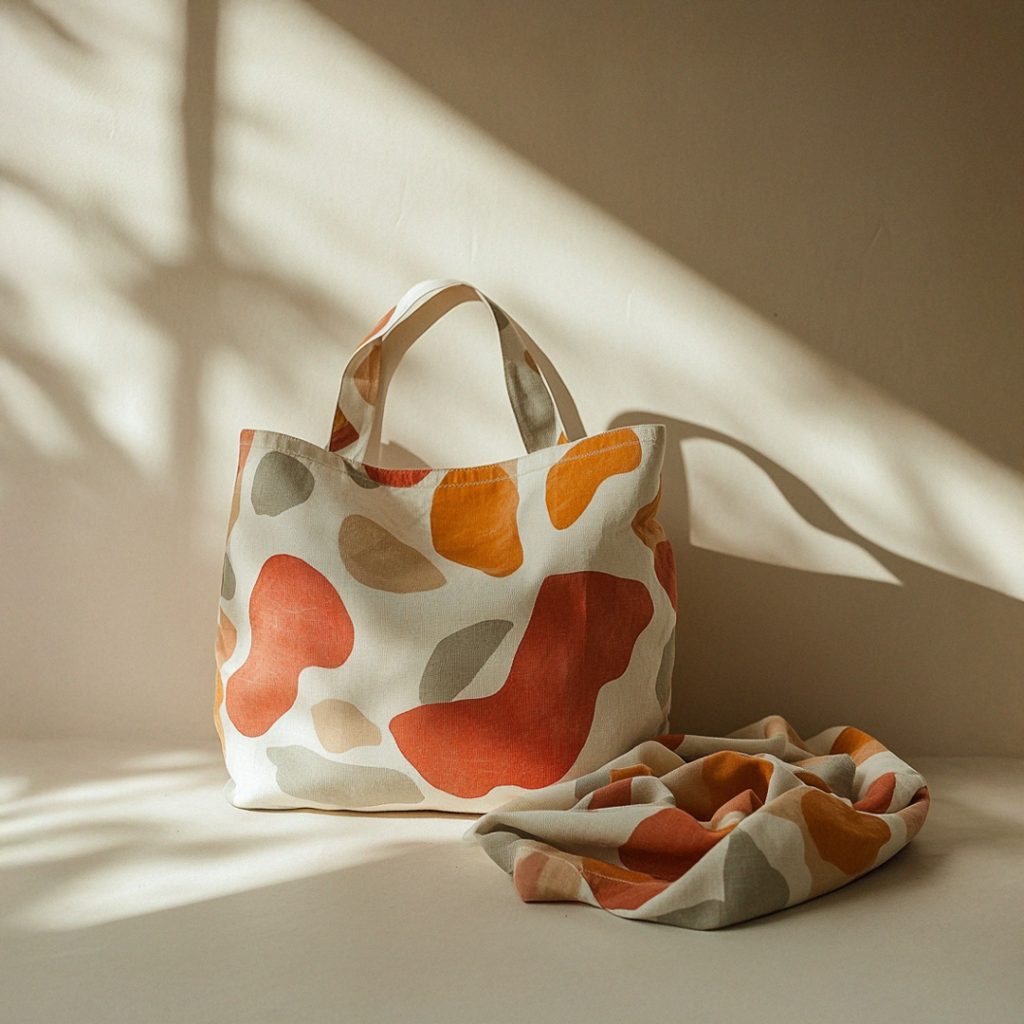
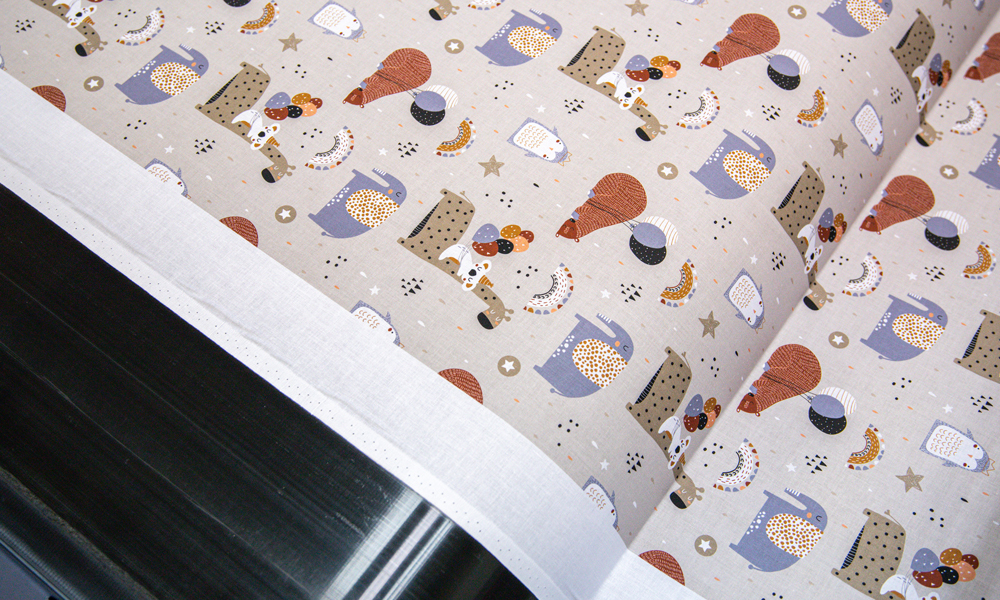
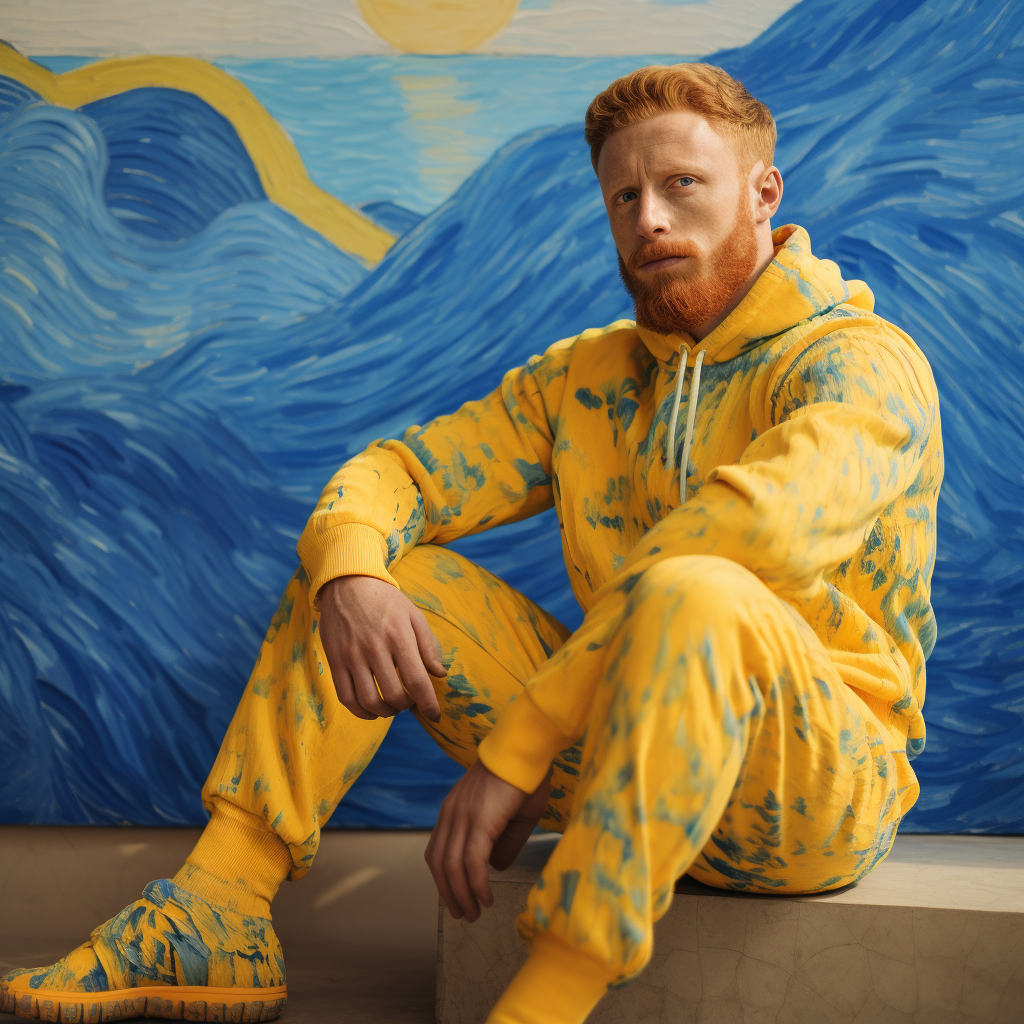
In addition to proportions, the size of the pattern affects optical impressions. Large, bold patterns can attract attention and serve as an excellent focal point for a stylish outfit. A large pattern may draw attention and be more visible from a distance, giving the outfit a more extravagant and bold appearance. On the other hand, delicate, small patterns make the garment seem more calm and subtle. Tiny patterns give the outfit a more refined and sophisticated look, especially when using motifs in a muted color palette.
Pattern and fabric type
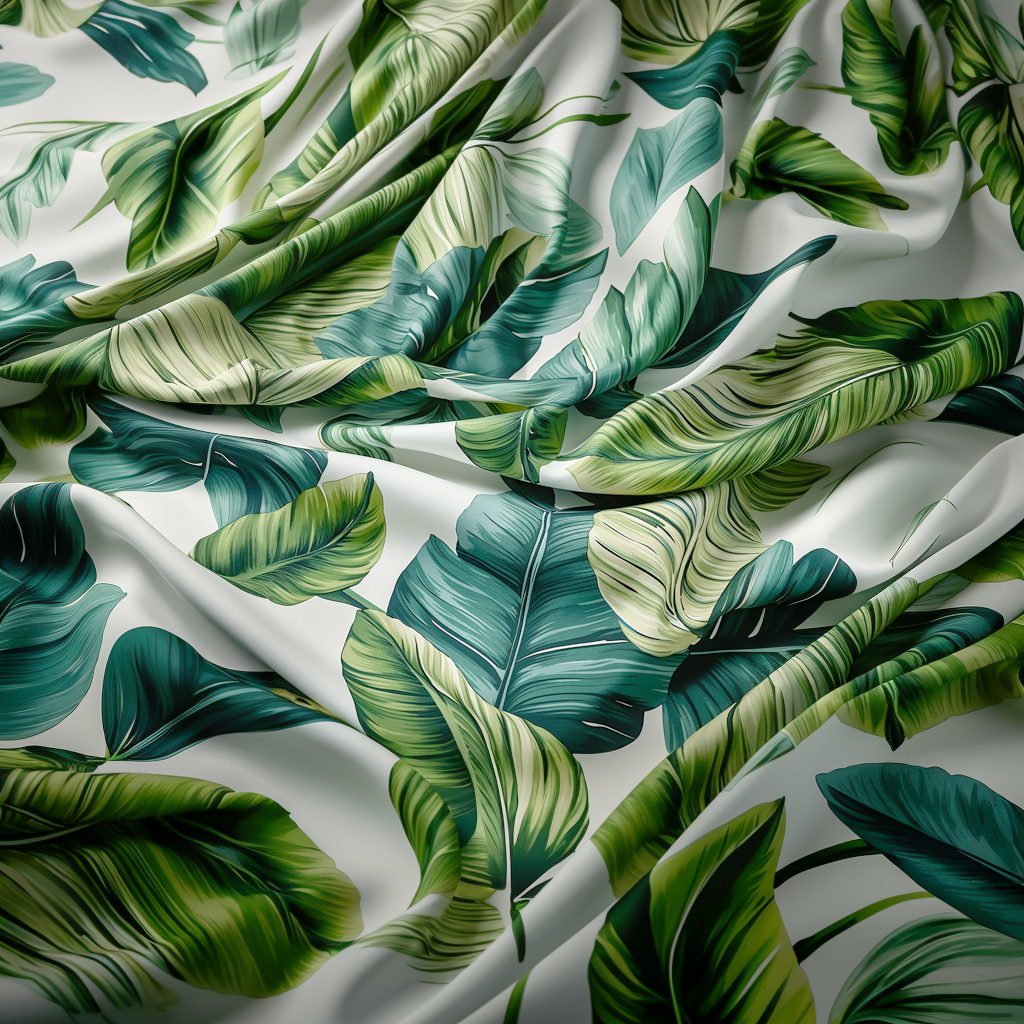
Remember that when choosing the pattern scale, it is also essential to consider the fabric on which it will be printed. Fabrics with a distinct or even three-dimensional texture go best with large and bold patterns. Our cotton waffle fabric is a perfect canvas for large-scale patterns, while on airy voile, you can present both tiny delicate flowers and large abstract prints.
Personalization as a key element
Thanks to fabric printing services like CottonBee, we now have the opportunity for almost limitless personalization of our clothes, designing our own patterns and controlling their size and placement. The use of this creative freedom allows for conscious shaping of our silhouette, emphasizing our assets, and hiding any complexes. It is worth experimenting with various pattern sizes to find the one that best suits your style, preferences, and body type. Remember that pattern selection can be a personal matter and depends on your individual preferences and the goal you want to achieve with your outfit.
How do different patterns affect our body shape?
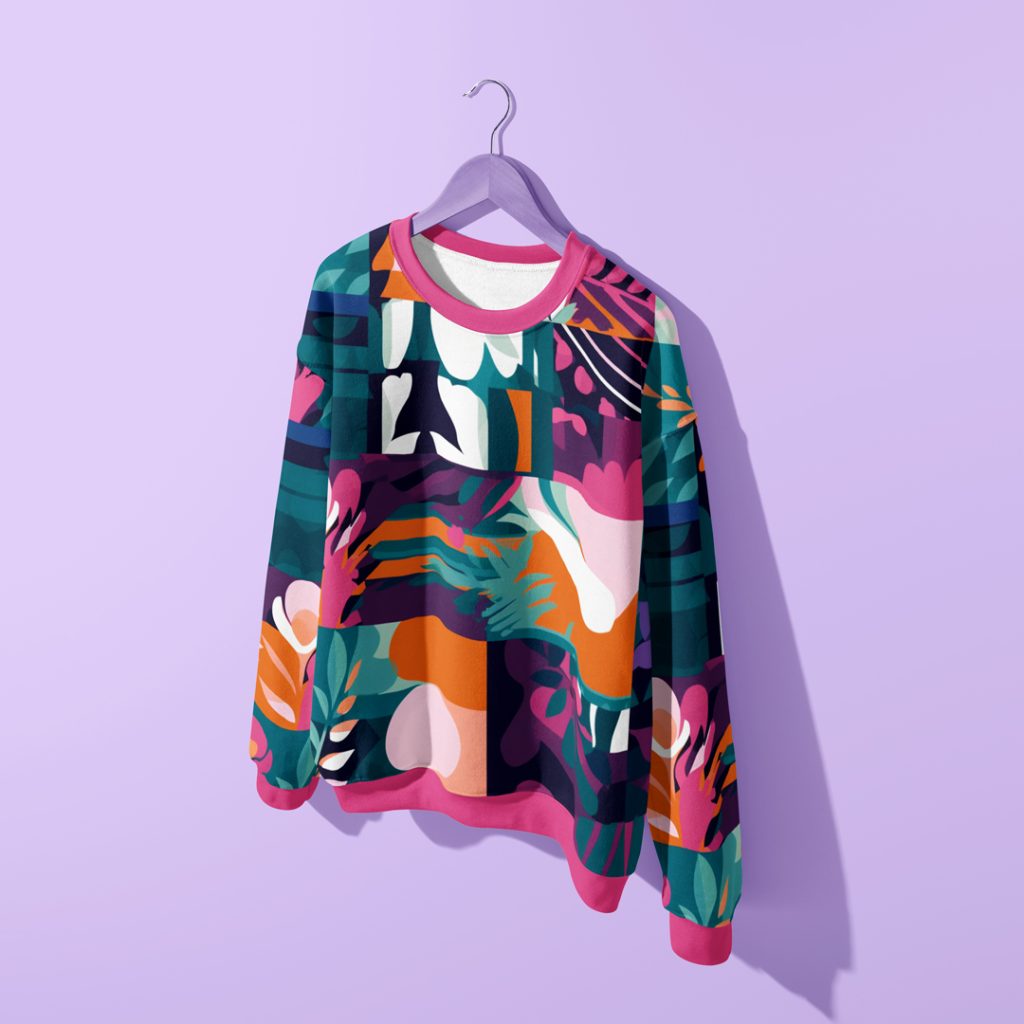
In the following parts of the article, we will examine various patterns that can be used based on our preferences and body shape. We will also analyze how different areas on the clothing can influence the optical impression of our silhouette.
Stripes
The first type of patterns worth paying attention to are vertical stripes. These patterns can visually elongate our silhouette, giving it a more slender appearance. They work great for individuals with shorter height or more rounded shapes, creating an optical elongation and slimming effect. Long, vertical lines draw the gaze upwards, making our figure appear taller and more proportionate. Horizontal stripes, on the other hand, are a bit riskier as they can create an illusion of widening. However, they are incredibly attractive and can work to our advantage. Horizontal patterns fit well with individuals with a slender figure, as they emphasize the waistline and lend the body a sense of lightness. Those with smaller busts can benefit from horizontal patterns on the top, as it can create an optical illusion of enlargement in that area. Conversely, horizontal patterns on the bottom, such as on skirts or pants, can provide proportion and balance to the silhouette.
Florals
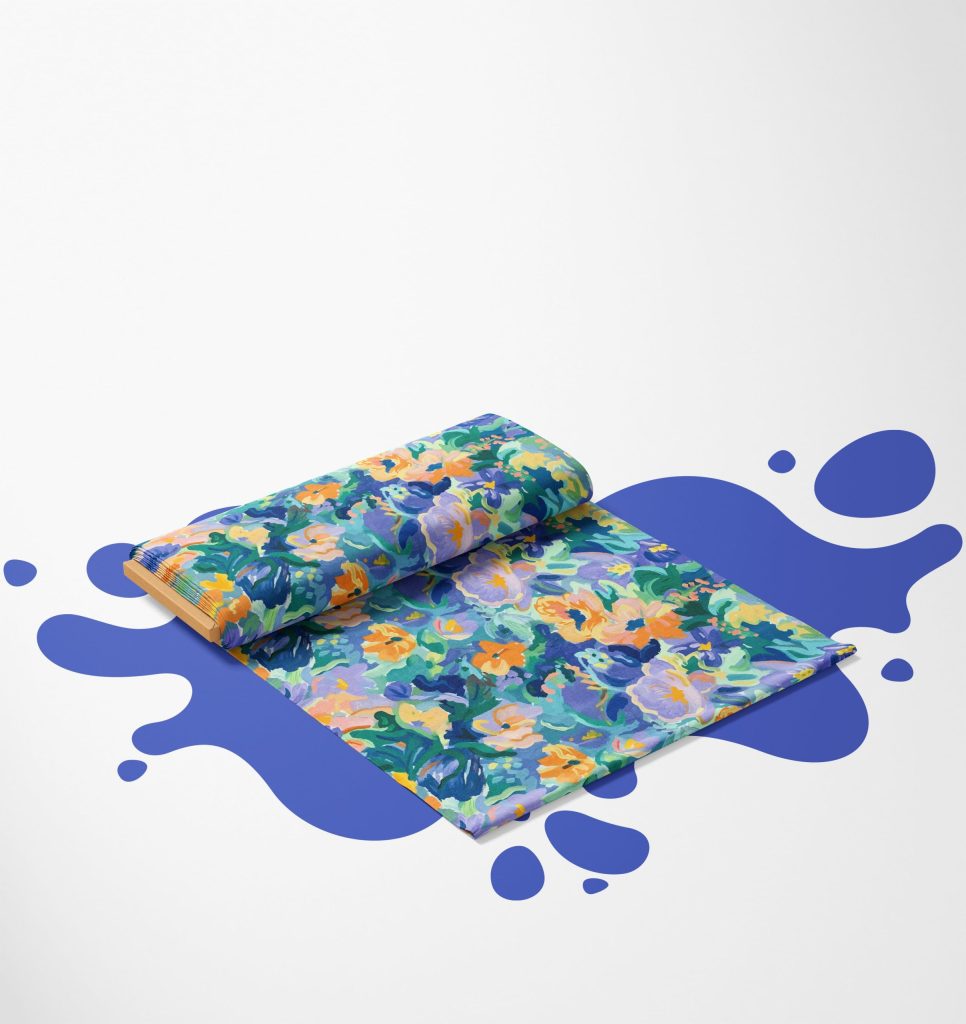
Let’s not forget about delicate and romantic floral patterns. These patterns look stunning on feminine dresses and blouses, adding subtlety and charm to the entire styling. Individuals with rounder shapes can benefit from delicate patterns that divert attention from areas they wish to conceal. By choosing the right pattern, we can work wonders for our silhouette, adding harmony and confidence. Here, too, pay attention to the size of the floral motifs! Tiny flowers look perfect on flowy and romantic dresses, while large florals will give you a bold, confidence-boosting effect, especially on masculine-cut blazers or coats.
Simple tricks using patterns
Accentuating the waist with patterns on a belt or sash can give us an hourglass figure and emphasize our feminine curves. Conversely, placing patterns on sleeves or shoulders can help broaden that part of the body, which in turn draws attention to the upper section and balances the silhouette.
Every detail matters, and conscious use of patterns and their placement on clothing can be the key to achieving harmony in our styling, emphasizing our assets, concealing imperfections, and boosting our confidence. Let’s be creative and experiment with fashion, taking advantage of the magical possibilities offered by CottonBee!