Colour fastness – what affects it?
Colour fastness is a key aspect both in the textile industry and for consumers who want to enjoy the beautiful, vibrant colours of their clothes for a long time. In this article, we explain what affects colour fastness and how it can be increased. Learn about the factors that determine how long your favourite clothes will retain their colours, and what steps manufacturers can take to increase their durability.
Table of Content
- What is colour fastness?
- Factors affecting colour fastness
- Material (influence of material on dye absorption)
- Dyeing technique
- Chemicals and softeners in the manufacturing process
- Light (sun and artificial light)
- Temperature and humidity
- Washing and using the garment
- Practical tips – how do you ensure colour fastness as a manufacturer?
- Education on proper garment care
- Summary
What is colour fastness?
Colour fastness is the ability of a fabric to maintain its original colour over a long period of time, despite various external factors such as washing, sunlight, perspiration or friction. It is a key aspect that determines the quality and longevity of a garment. Imagine a favourite shirt that, after several washes, loses its colour intensity and looks worn out. This type of change affects not only the aesthetics, but also the wearer’s satisfaction in wearing the garment.
Colour fastness involves several aspects:
- Fade resistance – is the ability of a fabric to maintain colour saturation when exposed to factors such as UV light, washing or perspiration. Dyes that are resistant to sunlight will fade more slowly, keeping garments looking new for longer.
- Resistance to discolouration – some fabrics can change colour when exposed to chemicals such as detergents, perfumes or other chemicals. Garments that are resistant to such discolouration will retain their original appearance for longer.
- Friction resistance – when worn and washed, fabrics are subjected to mechanical abrasion. Fabrics with high colour fastness are less susceptible to colour loss due to rubbing, which is particularly important for everyday and work wear.
- Dye stability – some dyes are more chemically and physically stable, making them adhere better to fabric fibres. The stability of the dye is key to ensuring that the colour intensity is maintained over the long term.
Factors affecting colour fastness
The durability of colour depends on many factors, from the type of material to the tinting techniques to the chemicals used in the production process. Let’s look in detail at what influences this important aspect.
Material (influence of material on dye absorption)
The type of material from which a fabric is made is of great importance for dye absorption. Different materials have different chemical and physical properties that affect how the dye adheres to the fibres.
Cotton, for example, being a natural fibre, has a structure that is excellent at absorbing dyes. Its hydrophilic properties mean that it absorbs aqueous dye solutions well. The fibre structure of cotton allows deep dye penetration, which makes it possible to use a variety of dyeing techniques such as reactive dyeing, direct dyeing or pigment printing. As a result, the colours on cotton tend to be intense and long-lasting, and the fabric itself can be dyed in many ways, giving designers a wide range of possibilities.
Polyester, on the other hand, being a synthetic material, has poorer absorption properties in relation to water. Polyester fibres are hydrophobic, which means that they do not absorb water and standard water-based dyes as effectively as natural fibres. In order to achieve durable and vibrant colours on polyester, special disperse dyes are used. These dyes are small, water-insoluble molecules that penetrate the structure of the polyester fibre at high temperatures and under pressure.
It is also worth mentioning other materials, such as wool, silk and nylon, which have their own specific dyeing properties. Wool, like cotton, absorbs dyes well, but requires special care due to its sensitivity to the temperature and pH of the dyeing solutions. Silk, being a fine natural fibre, also absorbs dyes well, but the dyeing process must be carried out with its delicacy in mind.
Dyeing technique
The dyeing technique has a direct impact on colour fastness, determining how intense and how long the colours will remain vibrant on the fabric. Today’s dyeing technologies offer many methods, each with its own specific advantages and disadvantages when it comes to colourfastness.
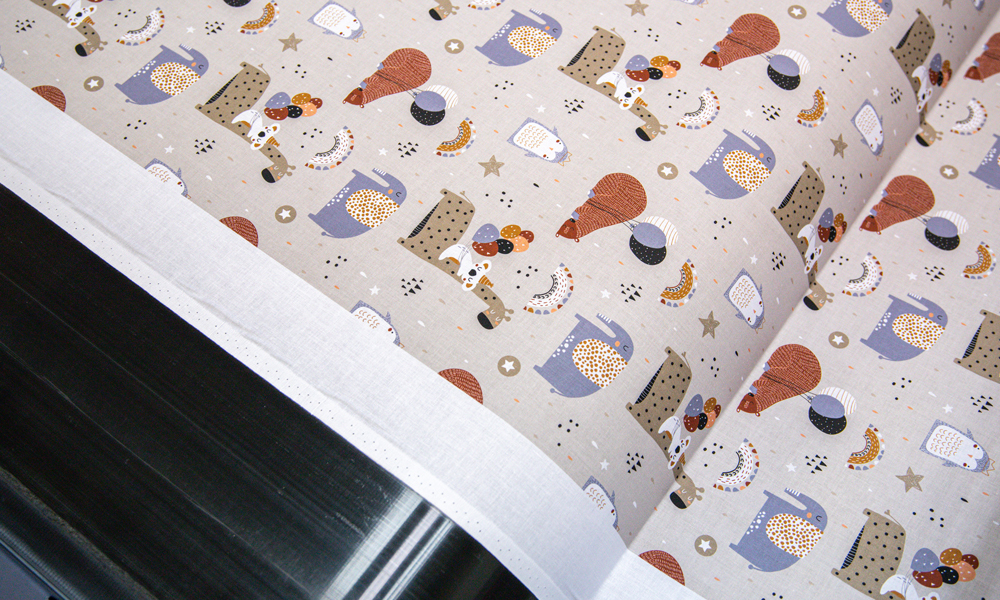
One of the most modern and effective techniques is digital printing, which is gaining increasing popularity in the textile industry. Digital printing allows for precise and intricate designs, as well as quick adaptation of production to changing trends. Within digital printing, there are various techniques, of which reactive printing stands out as the most fade-resistant.
Reactive printing is particularly effective on natural fabrics such as cotton and silk. In this method, reactive dyes chemically react with the fabric fibres, forming strong chemical bonds. These bonds make the dye an integral part of the fibre, providing exceptional colour fastness. Reactive dyes are also resistant to washing, rubbing and sunlight, resulting in longer colour intensity retention.
Pigment printing is another popular technique, particularly used for printing on synthetic fabrics. Pigments, unlike dyes, do not form chemical bonds with the fibres, but are deposited on their surface. Although pigment dyeing is less durable than reactive dyeing, modern binding agents and fixing technologies allow high fade and wash resistance to be achieved.
Acid dyeing is mainly used for protein-based fabrics such as wool and silk. This technique involves the use of acid dyes that bond to fibres through ionic bonds. Acid dyeing is known for its excellent colour brightness and intensity, although it may require special fixatives to ensure permanence.
Direct dyeing and vat dyeing are other techniques that have a place in the textile industry. Direct dyeing, although less permanent than reactive dyeing, is easy and cheap, making it attractive for mass production. vat dyeing, on the other hand, is known for its exceptional durability, especially on cotton fabrics, but is more complicated and time-consuming.
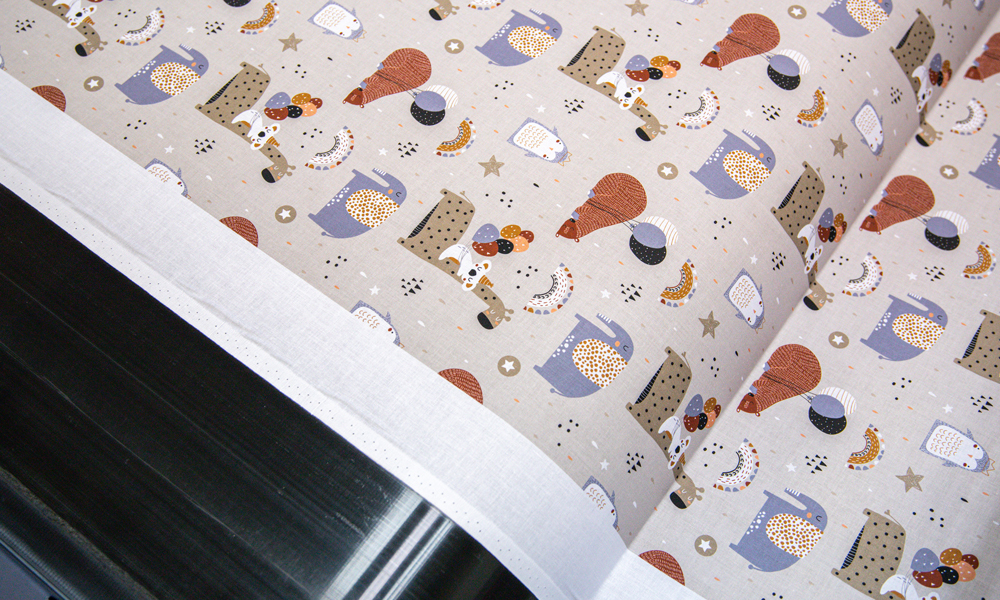
Chemicals and softeners in the manufacturing process
A variety of chemicals are used in the garment manufacturing process to perform important functions, helping to maintain colour, prevent creasing and impart water and stain resistance. The correct selection and application of these chemicals is crucial to the colour fastness and overall quality of the final product.
Colour fixatives are one of the most important categories of chemicals used in textile production. These are substances that help to bind dyes to fabric fibres, preventing fading and colour loss during washing or exposure to light. An example of such agents are fixatives used in reactive dyeing, which create permanent chemical bonds between the dye and the fibres, ensuring long-lasting colour life.
Softeners are another group of chemicals that play an important role in garment production. Softeners improve the softness and elasticity of fabrics, making them more comfortable to wear. Some softeners also contain ingredients that can protect colour from fading and mechanical damage, as softened fibres are less susceptible to abrasion.
Water and stain repellents are chemicals that make fabrics water and stain resistant. They ensure that water and oily substances do not easily penetrate the fibres, preventing the formation of stains and loss of colour caused by moisture. These agents are particularly important for outdoor and sports clothing, where high weather resistance is crucial.
Enzymes and speciality detergents also play an important role in the textile production process. Enzymes can be used in industrial laundering processes to remove natural waxes and other impurities, allowing dyes to be better absorbed by the fibres. Speciality detergents are used to gently but effectively remove soiling, which also affects dye quality and colour fastness.
All these chemicals must be carefully selected and used in the right proportions to ensure the highest quality and durability of the garment. The manufacturer must take into account the specific requirements of the fabrics and the expectations of the customers in order to deliver a product that not only looks aesthetically pleasing, but is also durable and functional for a long time. The use of modern chemical technologies and innovative means achieves these goals, guaranteeing consumer satisfaction.
Light (sun and artificial light)
Light, both sunlight and artificial light, has a significant effect on the colour fastness of fabrics. Prolonged exposure to light can lead to colour fading, which is the result of the degradation of dyes and fabric fibres. Understanding this process and its impact on textiles is crucial for garment manufacturers who want to ensure the long-term quality of their products.
Sunlight, particularly ultraviolet (UV) radiation, is one of the main factors leading to colour fading. UV radiation has sufficiently high energy to break down the chemical bonds in dyes and fabric fibres. This process is called photodegradation. As a result of photodegradation, dyes can break down, leading to a loss of colour intensity. In addition, UV radiation can weaken fabric fibres, making them more susceptible to mechanical damage.
Some fabrics are more susceptible to UV-induced fading than others. For example, natural fibres such as cotton and silk can be more sensitive to UV light compared to some synthetic fibres, which can be chemically modified to increase their resistance to light.
Artificial light, although less intense than sunlight, can also affect colour fastness. Prolonged exposure to fluorescent or LED light can lead to gradual colour fading, especially if fabrics are exposed to light for many hours a day. Artificial light, like sunlight, can cause photodegradation of dyes, albeit to a lesser extent.
Several steps can be taken by the garment manufacturer to minimise the negative effects of light on the colour fastness of fabrics:
- Use of UV light-resistant dyes: Choosing dyes that are specifically designed to withstand exposure to UV light can significantly increase colour fastness. These dyes have more stable chemical bonds that are less likely to break down when exposed to light.
- UV protection: The use of special protective coatings or UV additives in the fabric manufacturing process can help protect fibres and dyes from degradation. Such agents can act as a UV filter, blocking the radiation from reaching the dyes and fibres.
- Avoiding prolonged exposure to light: Recommendations to store garments away from direct sunlight and strong artificial light can also help to preserve colour fastness. Consumers should be informed about how to properly store and care for their garments to prolong their life.
- Innovation in production: The use of modern technologies in the dyeing and finishing of fabrics, such as the use of nanotechnology or new polymers, can also help to increase lightfastness.
Temperature and humidity
High temperatures contribute to the faster degradation of dyes, particularly for fabrics dyed using less heat-resistant methods. Dyes have a specific temperature range within which they are stable. Exceeding this range can lead to dye degradation, which manifests itself as colour fading.
During washing, especially in hot water, fabrics can be damaged. High water temperatures can cause the dyes to be washed out of the fibres, leading to a loss of colour intensity. This is particularly noticeable with fabrics dyed with low-quality dyes or fabrics that have not been properly fixed. To minimise this effect, it is advisable to wash clothes at lower temperatures and to use detergents that are gentle on colours.
Drying garments at high temperatures, for example in tumble dryers, can also adversely affect colour fastness. The hot air accelerates the thermal degradation of the dyes, leading to fading. To prevent this, air or tumble drying at lower temperatures is recommended.
Moisture is another important factor affecting colour fastness. A humid environment promotes chemical processes that can lead to the degradation of dyes. For example, in the presence of moisture and oxygen, dyes can oxidise, causing colours to fade. Prolonged exposure to moisture, for example in garments stored in humid conditions, can also lead to the growth of mould and fungi, which further damage fabrics and dyes.
Washing and using the garment
The way a garment is washed and used is crucial to its colour retention. Garment manufacturers have a significant role in educating consumers about proper garment care, which has a direct impact on colour fastness and overall product quality. Proper washing instructions and garment use, as well as the use of high-quality materials and safety features at the manufacturing stage, can significantly extend the life of colours.
Washing instructions: Manufacturers should provide clear and detailed instructions for washing garments. Garment labels should include information on the recommended washing temperature, type of detergent and whether the garment can be tumble dried. For example:
- Washing in cold water (up to 30°C) helps prevent dyes from leaching out.
- Using mild detergents designed for coloured fabrics can protect dyes from degradation.
- Avoiding bleach, which can cause colours to fade.
- Recommending washing on the left side can reduce friction and protect colours from fading.
Method of use: The way a garment is used also affects colour fastness. Manufacturers can provide advice on:
- Avoiding prolonged exposure to sunlight, especially for colour-intensive garments.
- Reducing the friction that can occur when wearing the garment, especially in areas such as the shoulders, knees and elbows.
- Regular but gentle washing to remove soiling that can contribute to fabric and dye degradation.

Practical tips – how do you ensure colour fastness as a manufacturer?
Choosing the right materials and suppliers
Choosing quality materials and reliable suppliers is crucial to the colourfastness of your garments. As a manufacturer, it makes sense to invest in materials that are well known for their ability to maintain colour and use technologies that ensure long-lasting colour fastness.
- High-quality fabrics: the material from which a garment is made has a direct impact on colourfastness. For example, natural fibres like cotton or wool can absorb dyes better and retain colour for a longer period of time compared to some synthetics. However, some synthetic materials, like polyester, can be modified to improve their ability to hold colour. The key here is to use materials that are known for their high quality and durability.
- Proven suppliers: Using reputable suppliers ensures access to the best raw materials. Suppliers that have an established reputation in the industry usually offer products that have passed rigorous quality testing. It is worth establishing long-term relationships with suppliers who can guarantee the consistent quality of the materials supplied.
- Advanced dyeing techniques: Dyeing techniques, such as reactive printing, can make a significant difference to colour fastness. Reactive printing involves chemically binding the dye to the fabric fibres, providing greater resistance to fading and washing out during washing.Investing in advanced dyeing technologies that offer long-lasting and vibrant colours can bring significant benefits.
- Quality control: Regular testing of fabrics for resistance to light, washing, friction and other factors is essential.Quality control processes should be rigorous to ensure that materials and dyeing techniques meet the highest standards.
Education on proper garment care
Educating consumers about proper garment care is just as important as choosing the right materials. Clear and understandable care instructions can significantly prolong the life of colours.
Care instructions: Each garment should be labelled with detailed washing, drying, ironing and storage instructions.
Educational materials: In addition to standard labels, manufacturers can provide additional educational materials such as brochures, websites or instructional videos that explain in detail how to care for the garment.
Loyalty programmes and mobile apps: Manufacturers can develop loyalty programmes and mobile apps that will provide consumers with regular advice on garment care. Apps can include reminder functions for proper care, offer discounts on protective products or inform about the latest colour maintenance techniques.
Collaboration with retailers: The manufacturer can collaborate with retailers to jointly educate consumers about garment care. Retailers can organise workshops, offer in-store educational materials and run awareness campaigns that promote proper garment care.
Summary
Colour fastness is the result of complex factors, from the choice of materials to dyeing techniques and proper care. Manufacturers can significantly increase colour fastness through careful selection of materials and suppliers, and educating consumers about proper garment care. Attention to every stage of production and use is the key to long-term customer satisfaction.