Waterproof sewing fabric – what do you need to know about it?
Sewing with waterproof fabrics can be a fascinating challenge, but also a source of invaluable benefits. Find out what’s behind it and what products we can create using these innovative fabrics.
Table of Content
- Waterproof fabric – what does it actually mean?
- Which fabrics are resistant to water?
- Properties of waterproof fabrics
- Waterproof fabrics – applications. What to sew with them?
- How to sew waterproof fabrics?
- Digital printing on waterproof fabrics
- How does sublimation printing on waterproof fabrics work?
- Sewing with waterproof fabrics – summary
Waterproof fabric – what does it actually mean?
Waterproof fabrics are materials designed to be impervious to water. Thanks to special coatings or structures, they provide protection against moisture even in harsh weather conditions. The technology for producing waterproof fabrics is complex and varies depending on the type of fabric and its intended use.
Waterproofing can be achieved in several ways. The most common methods are to impregnate the fabric with special chemicals that form a protective barrier against water on its surface. Another method is lamination, which means covering the fabric with a thin layer of impermeable material such as polyurethane or PVC. This prevents water from penetrating the fabric, even in heavy rain, making it ideal for outdoor clothing and accessories.
In addition to water protection, waterproof fabrics often have additional properties that enhance their functionality. Many are breathable, meaning they can wick moisture from the inside out for comfort. They are also wind resistant, which further enhances weather protection. Thanks to these characteristics, waterproof fabrics are indispensable in the manufacture of sports, hiking and workwear, as well as in various accessories and outdoor items such as tents and backpacks.
Waterproof fabrics are also easy to care for. Their structure makes it difficult for dirt to penetrate, and stains can usually be easily washed off with a damp cloth. This makes them a practical choice not only for clothing, but also for everyday items that are exposed to moisture and dirt.
Which fabrics are resistant to water?
Among the fabrics that are effective against water, those made of polyester and polyamide stand out in particular. They are often chosen for their exceptional water-repellent properties and durability. At CottonBee, you will find a variety of options, such as Waterproof Orthalion, Outdoor Fabric and Waterproof Softshell, which are perfect for different applications.
- Waterproof Orthalion: orthalion is a lightweight yet extremely durable fabric, made from polyester. Orthalion is often used for outerwear such as rain jackets, coats and windbreakers. Its lightness makes it comfortable to wear, yet resistant to wind.
- Outdoor Fabric: Kodura is a fabric made from polyester, known for its exceptional durability and resistance to abrasion. It is often used in the manufacture of outdoor equipment such as backpacks, bags, covers or tents. Thanks to a special impregnation, Kodura Outdoor is not only waterproof, but also highly resistant to external factors such as sun or frost. Its structure makes it a material that performs well in extreme conditions.
- Waterproof Softshell: Softshell is an innovative fabric that combines waterproof and breathable properties. Softshell is often used for sportswear such as jackets, trousers and gloves. Thanks to its structure, the material protects against water and wind while allowing moisture to escape from the body to the outside. This makes it ideal for all kinds of outdoor activities, from climbing to cycling.
- Other waterproof fabrics: In addition to those mentioned above, there are many other fabrics that also offer waterproof properties. For example, fabrics with membrane laminates, such as Gore-Tex, are commonly used in technical and outdoor clothing. These membranes, sandwiched between layers of fabric, prevent water penetration while allowing perspiration to wick away, ensuring a high level of comfort.
Properties of waterproof fabrics
Waterproof fabrics are extremely popular due to their unique properties, which make them extremely practical and functional. Here are the main characteristics of these fabrics:
- Impermeability to water: The most important characteristic of water-repellent fabrics is their ability to prevent water penetration. Thanks to special hydrophobic coatings or laminates, such fabrics form a barrier that effectively protects against moisture. Rather than soaking into the fabric, water condenses on its surface and runs off, which is particularly useful when it rains or snows.
- Quick drying: Waterproof fabrics also have the ability to dry quickly. Thanks to their structure and hydrophobic properties, water does not soak deeply into the fabric, allowing it to evaporate quickly. This is particularly important for sports and outdoor clothing, where comfort and drying time are crucial.
- Soil resistance: Waterproof fabrics are also dirt-resistant. Their surface makes it difficult for dirt and stains to penetrate, making them much easier to clean and maintain. Many of these fabrics have additional coatings that repel oils and other substances, so that stains do not soak into the fabric and can be easily wiped off.
- Durability and damage resistance: Waterproof fabrics tend to be very durable and resistant to mechanical damage such as abrasions and tears. Fabrics such as Kodura or Softshell are known for their high abrasion resistance, making them ideal for heavy use in harsh conditions.
- Breathability: Some waterproof fabrics, such as Softshell or Gore-Tex, are breathable, meaning that they are able to allow water vapour to pass through to the outside while blocking water infiltration from the outside.
- Versatility: Thanks to their unique properties, waterproof fabrics are extremely versatile and can be used in many different applications. From outerwear to outdoor gear to home and garden accessories, the application possibilities for these fabrics are almost endless.
Waterproof fabrics – applications. What to sew with them?
Waterproof fabrics offer great creative possibilities thanks to their versatile properties. They can be used to sew a wide range of products that will work in a variety of situations, from sporting activities to garden equipment to decorative items in the home.
Clothing and accessories
Waterproof fabrics are ideal for sewing garments and accessories that need to protect against rain and moisture. Here are some examples:
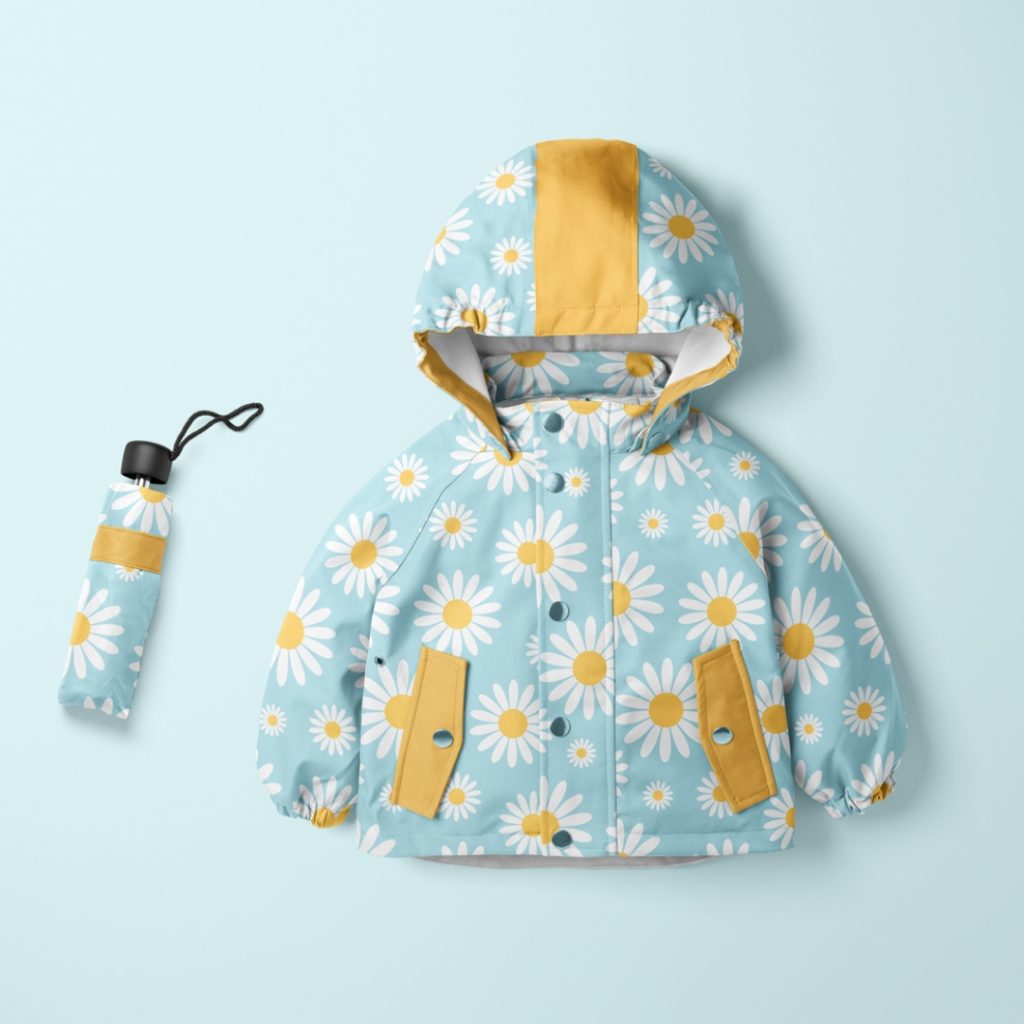
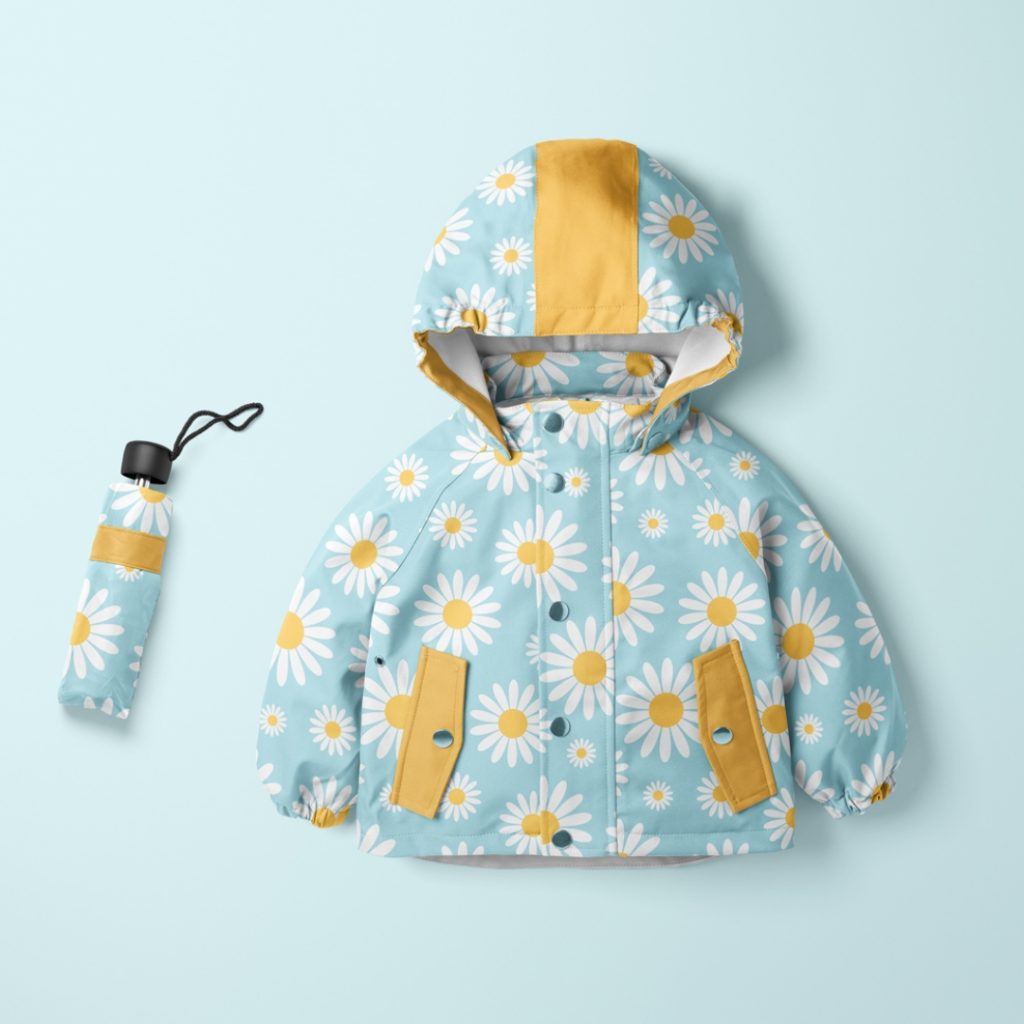
- Waterproof jackets: a classic choice for rainy days, ideal for both everyday wear and outdoor sports.
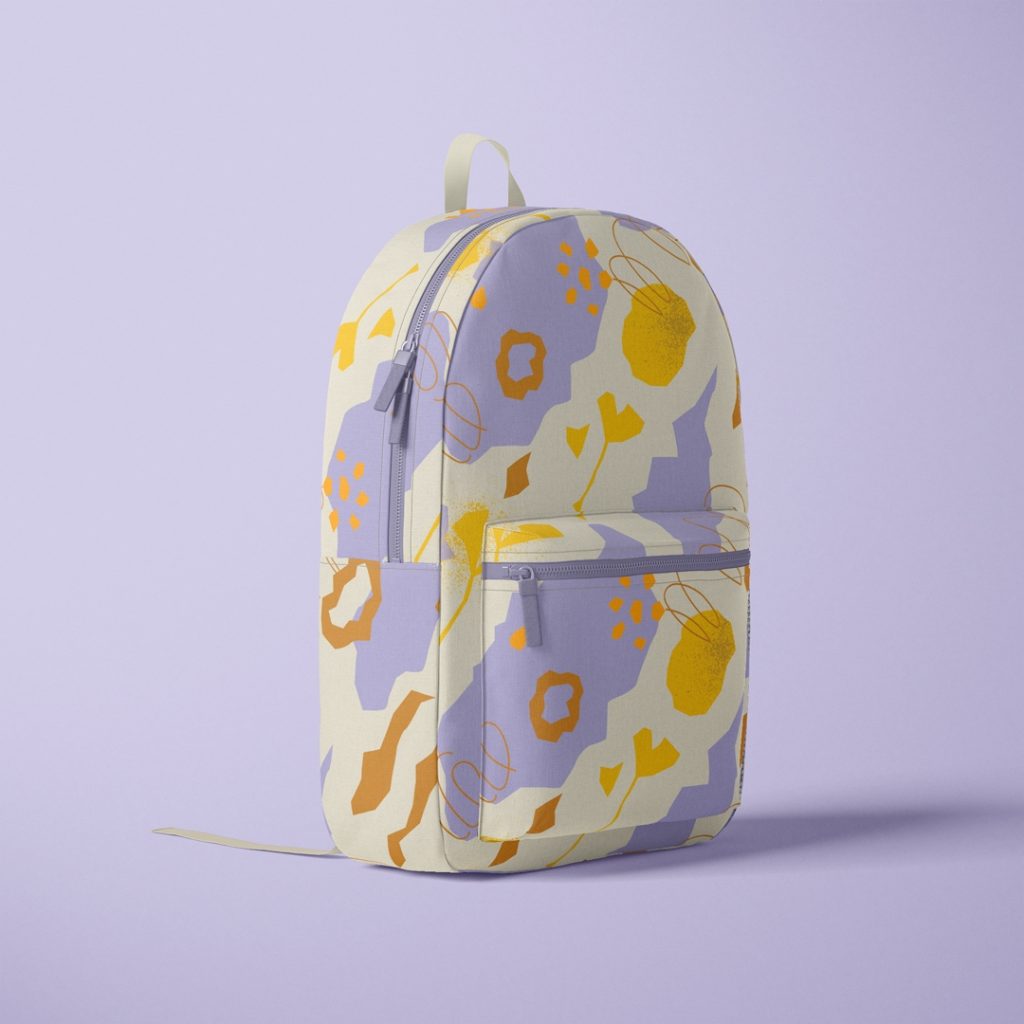
- Bags and backpacks: Waterproof materials protect the contents from getting wet, which is particularly useful when travelling or for everyday use in the city.
- Wallets and cosmetic bags: Small accessories that, thanks to their waterproof properties, protect the contents from wetness while maintaining a stylish appearance.
- Gloves: Perfect for winter sports and activities, they keep you warm and dry in harsh weather conditions.
Garden accessories
Waterproof fabrics are also indispensable in the garden, where they have to face not only water but also other harsh outdoor conditions:
- Loungers: Waterproof sun lounger covers provide comfort when sunbathing and relaxing, protecting against moisture and stains.
- Garden furniture coverings: These fabrics are ideal for covering garden furniture such as chairs, sofas and cushions, providing long-lasting protection from rain and dirt.
- Screens: They protect from wind and rain while allowing you to create a cosy atmosphere in the garden or on the beach.
Home and decorative accessories
At home, we can also find many uses for waterproof fabrics that combine functionality with aesthetics:
- Treads and tablecloths: Ideal for dining room or patio tables, they protect the surface from stains and dampness and can also be a stylish decorative element.
- Kitchen aprons: Waterproof aprons protect clothes from splashes while cooking, while being easy to clean.
- Shower curtains: Provide an effective barrier against water in the bathroom, protecting the rest of the room from moisture.
- Cushions and cushion covers: Waterproof fabrics are great for decorative outdoor cushions that need to withstand a variety of weather conditions.
How to sew waterproof fabrics?
Due to their specific structure, waterproof fabrics are best sewn with a sewing machine that provides the necessary precision and strength. Working with these fabrics can be demanding, but with the right techniques and tools you can achieve excellent results. Here are some practical tips for sewing waterproof fabrics:
- Use special waterproof threads: Waterproof threads are crucial when working with waterproof fabrics. They are made of materials that do not absorb water and do not stretch when exposed to moisture. Such threads ensure that seams remain tight and durable, which is essential for waterproofing. Consider polyester or nylon threads, which are commonly used in sewing technical fabrics.
- Seal seams with waterproof tape: despite the use of waterproof threads, seams can be a weak point in waterproof construction. To increase protection against water, it is worth sealing the seams with a special waterproof tape. This tape is applied to the seams on the inside of the fabric using an iron or special application tool, creating an additional protective barrier against water penetration. This is particularly important for outdoor clothing and equipment, where maximum watertightness is crucial.
- Avoid excessive holes: Any hole in the fabric, such as a needle hole, has the potential to become a site for water penetration. It is therefore important to avoid excessive holes when sewing. Where possible, try to use longer stitches and minimise the number of needle punctures. It is also a good idea to use techniques that reduce the number of stitches needed, such as using larger pieces of fabric for one project instead of many smaller pieces.
- Choose the right needles: Using the right needle for sewing waterproof fabrics is equally important. It is recommended to use needles for technical fabrics or needles with a thicker shank, which are able to easily pierce the fabric without causing damage.
- Adjust thread tension and stitch length: Sewing waterproof fabrics may require adjustment of thread tension and stitch length. Threads that are too taut can cause the fabric to wrinkle, while threads that are too loose can lead to unstable seams. Adjust the thread tension so that the stitches are even and strong, while maintaining an appropriate stitch length – usually a longer stitch (around 3-4 mm) is more suitable for waterproof fabrics.
- Secure the edges: Waterproof fabrics can fray, so it is important to properly secure the edges of the fabric. This can be done with an overlock, zig-zag or the use of special edge protection tapes. This will keep the edges neat and durable and make the whole structure more resistant to damage.
- Test on a sample: Before you start sewing your main project, it is a good idea to test your settings and techniques on a piece of sample fabric. This will help you avoid mistakes and adapt your machine to the specific requirements of the fabric.
Digital printing on waterproof fabrics
Is it possible to do digital printing on waterproof fabrics? The answer is yes, it is possible, but it requires choosing the right printing methods that are tailored to the specific properties of these fabrics. The key is to ensure the durability and resistance of the print to weather conditions such as rain, sun or frost.
Digital printing methods on waterproof fabrics
At CottonBee, we specialise in sublimation printing on waterproof fabrics. This printing technique is ideal for this type of fabric for several reasons:
- Durability: sublimation involves transferring dyes in gaseous form directly onto the fabric fibres. This makes the print an integral part of the fabric, ensuring high durability and abrasion resistance.
- Weatherproof: Sublimation prints are UV resistant, preventing colour fading. In addition, they are resistant to moisture and changing weather conditions, making them perfect for outdoor use.
- Quality and precision: sublimation printing produces very clear and detailed designs, which is particularly important for projects requiring high-quality graphics.
How does sublimation printing on waterproof fabrics work?
The sublimation process starts with the preparation of a graphic design, which is then printed on special transfer paper using sublimation inks. The next step is to transfer the design from the paper to the fabric using high temperature and pressure. The sublimation dyes penetrate the fabric structure, creating a permanent print.
Sewing with waterproof fabrics – a summary
Digital printing on waterproof fabrics, especially by sublimation, is an excellent way to personalise and enhance the functionality of products. By choosing the right printing technique, you can ensure that your prints will be durable, weatherproof and retain vibrant colours for a long time. At CottonBee, we offer high quality digital sublimation printing, which is ideal for waterproof fabrics, allowing you to create unique and practical designs.