Lining fabric – types, uses. What role does it play in clothing?
Table of Content
- What is lining fabric?
- Lining fabric in clothing – what is its role?
- Types of lining fabric – which is the best?
- Lining fabric – in which garments should it be used?
- How do I choose lining fabric?
- Lining fabric and its role in clothing – summary
What is lining fabric?
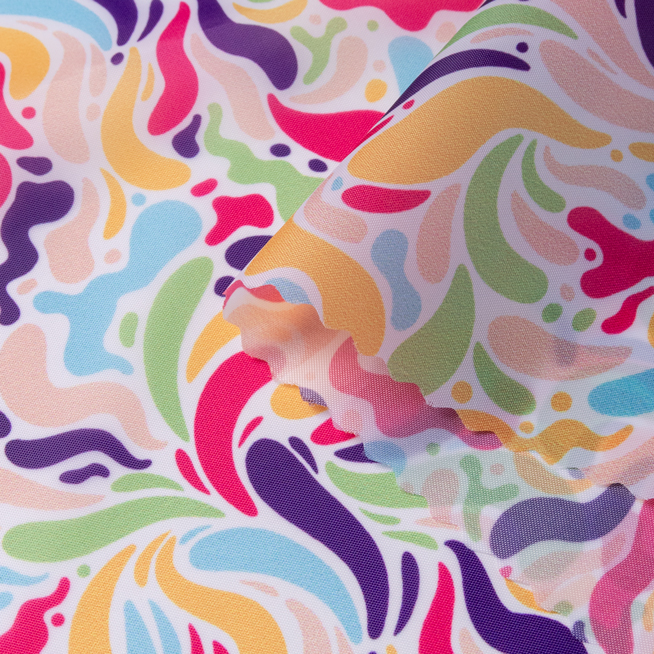
Lining fabric is a special layer of fabric sewn into a clothing garment, which has both practical and aesthetic functions. It is extremely important in clothes design, affecting the comfort of use, as well as the appearance and durability of the garment. Thanks to the lining, garments become easier to put on, less prone to damage, and gain a better form and finish.
The lining is not visible at first glance, but it is of great importance in the everyday use of the garment. It provides greater comfort, protects the outer fabric and promotes the fit of the garment.
Lining fabric in clothing – what is its role?
The lining in clothing has several key functions that translate into wearing comfort, durability and aesthetics of the garment.
- Improving wearing comfort
The lining fabric makes clothes easier to put on and take off, especially in less elastic materials such as wool or leather. It also allows garments to fit better and not cling directly to the body, which increases wearer comfort.
Protection of the outer fabric
The lining also has a protective function, protecting the outer fabric layer from mechanical damage, abrasion or dirt. This ensures that the clothes retain their original appearance for longer and are more resistant to everyday wear and tear.
- Better fit and aesthetics
The lining also helps to maintain the shape of the garment. It prevents the fabric from deforming and keeps the garment looking neat and elegant. In addition, the lining prevents the outer fabric from wrinkling, which is very important for the aesthetics of the garments.
Types of lining fabrics – which is the best?
Linings can be divided according to the base fabric. Each has its own unique characteristics that affect the comfort and functionality of the clothes. Here are the most popular types of lining fabrics.
- Polyester lining fabric
Polyester lining fabrics are durable, inexpensive and crease-resistant. However, they have the disadvantage of poor air permeability, which can lead to discomfort on warm days.
- Viscose lining fabric
Viscose linings are breathable and pleasant to the touch, making them an ideal choice for the warmer months. Unfortunately, viscose is less resistant to damage, making clothes with such a lining need more attention.
- Silk lining fabric
Silk lining fabrics are lightweight, breathable and extremely elegant, but their high price and need for special care can be a challenge.
- Cotton lining fabric
Cotton is a natural, breathable material that is ideal for summer clothing. Unfortunately, cotton linings crease easily, which can affect the aesthetics of the clothes.
Lining fabric – in which garments should it be used?
Lining fabrics have a wide range of applications in different types of garments, affecting both their functionality and aesthetics. Here’s where and why you should use lining fabrics:
- Jackets and coats
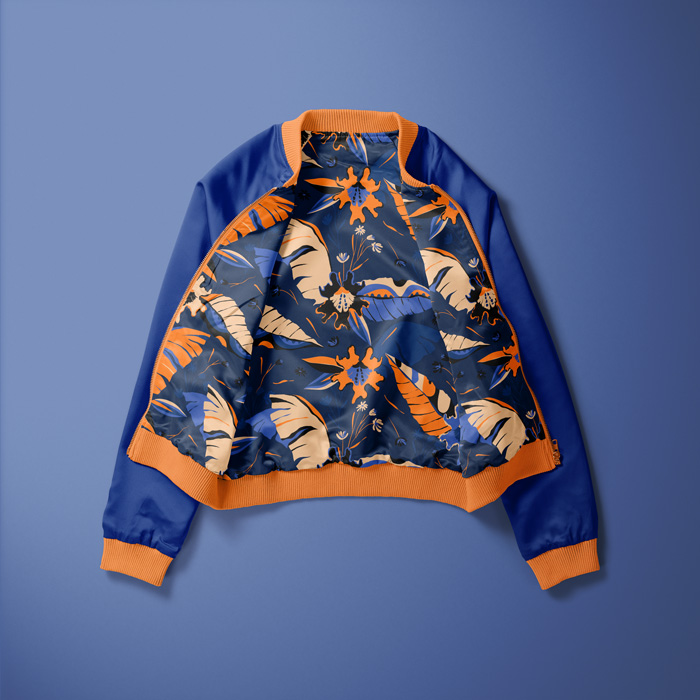
The lining in blazers and coats plays a key role in maintaining their form and construction. The lining fabric makes the clothes fit better on the figure and their shape remains intact even after many uses. Thanks to the lining, a coat or jacket does not deform, which contributes to its durability and elegant appearance.
- Skirts and dresses
Linings in skirts and dresses are extremely important, especially for clothes made of light, thin fabrics that tend to cling to the body. The lining prevents this from happening, increasing the comfort of the wearer, especially on warm days. In addition, it prevents thin fabrics from showing through, making the garment look more elegant and professional.
- Suits and trousers
In suits and smart trousers, the lining plays a dual role: on the one hand, it protects the main fabric from abrasion, especially in areas of higher friction such as the knee and thigh areas, and on the other, it ensures that the garment fits better.
- Winter coats and jackets
The linings in winter coats and jackets have the added benefit of improving insulating properties. They make the clothes warmer and more comfortable, as the lining can protect against direct contact with thick, sometimes rough fabrics such as wool or other warming fibres. A proper lining in jackets or coats ensures that the garment does not restrict movement and that the inner layer does not cause discomfort.
- Jackets and formal blouses
In the case of jackets and formal blouses, the lining helps to maintain an elegant form and prevents the fabric from wrinkling. It provides a better fit and comfort when worn throughout the day, which is important in office and formal wear where aesthetics and comfort are key.
How do I choose a lining fabric?
Choosing the right lining fabric is an important element that affects the comfort, durability and aesthetics of a garment. This decision should be based on several key factors that will help match the lining to the type of garment, its function and customer expectations.
Purpose of the garment
One of the most important aspects is what type of garment the lining is to be used for. Everyday clothes have different needs, while formal outfits or outerwear have different needs.
- Formal and elegant clothing – When it comes to clothing for special occasions, such as suits, evening dresses or blazers, elegance and durability are important. In this case, polyester linings are often used, which are crease-resistant and at the same time fit well under the garment. If special comfort is desired, consider silk linings, which add a luxurious look and are extremely lightweight.
- Everyday clothing – For garments worn on a daily basis, such as jackets, dresses or skirts, it is advisable to opt for linings made of breathable materials that will ensure comfort even during prolonged wear. Viscose or cotton linings will be the ideal choice here due to their pleasant feel and heat-regulating properties.
Customer expectations
Customer expectations are another important factor that influences the choice of lining. Depending on which audience the products are aimed at, the material should be adapted to their preferences.
- Synthetic fabrics – Synthetic fabrics, such as polyester, are more resistant to mechanical damage and also easier to care for. They are mainly chosen by customers who are looking for durable, cost-effective solutions where resistance to everyday use is important. These types of linings can be an ideal choice for outerwear or formal wear, where durability is crucial.
- Natural fabrics – Customers who value comfort and natural solutions often choose cotton linings. Such fabrics are breathable, pleasant to the touch and more eco-friendly, which is an important factor for those looking for sustainable options. They are ideal for summer and delicate garments where lightness and breathability are a priority.
Seasonality of the clothes
The season in which the garment is to be worn is another factor influencing the choice of lining.
- Summer and spring – For the warmer months, lightweight, breathable fabrics such as cotton or viscose are best for breathability and comfort in high temperatures.
- Winter and autumn – For the colder months, it is advisable to choose linings with better thermal insulation properties, such as wool or synthetic linings, which retain heat better.
Lining fabric and its role in garments – summary
The lining fabric is an element that significantly affects the comfort, aesthetics and durability of a garment. Choosing the right lining fabric is crucial so that clothes not only look good, but are also comfortable and practical for everyday use.