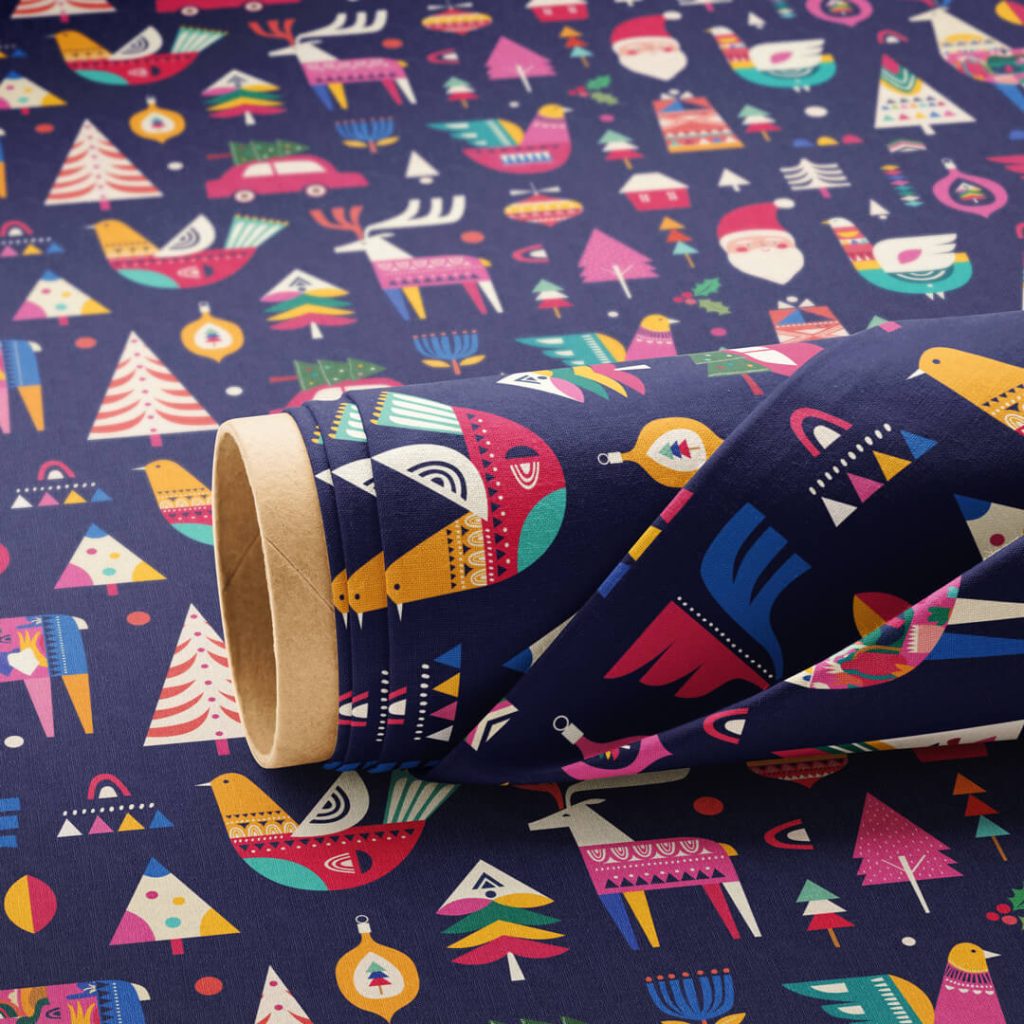
The best printing methods for cotton: an overview
Choosing the right printing technique is key to the success of any project, from DIY to professional production. Various printing methods offer unique properties that can meet different needs, from high-quality prints to pattern customization. In this article, we’ll introduce you to the most popular fabric printing methods and explain how to match them to your needs!
Table of Content
- The best printing techniques for cotton
- Environmental friendliness of the various printing techniques
- Which printing technique is right for your project?
- The right technology makes the difference!
The best printing techniques for cotton
A better understanding of popular printing techniques on fabrics helps identify their applications. Below, we discuss screen printing, reactive printing, pigment printing, and sublimation printing.
Screen printing: classic solution
Screen printing is one of the oldest techniques, still widely used today.
Advantages:
- Durability of prints made using screen printing.
- Vibrancy of colors.
- Low cost of printing in large runs.
Disadvantages:
- Limited ability to reproduce fine details.
- Less cost-effective for smaller runs.
Reactive printing: durability and intensity of colors
Reactive printing is a modern technology for printing on cotton, known for its exceptional durability and intense colors. This process uses special dyes that chemically react with the fabric fibers, allowing the ink to penetrate deep into the material structure.
Advantages:
- Print durability: The colors are permanently bonded with the fabric fibers, making the prints resistant to washing and wear.
- Intensity and vibrancy of colors: Reactive printing captures even the most complex patterns and details with precision.
- Can be used on both light and dark fabrics: Thanks to the deep chemical reaction, the prints look excellent on various cotton shades.
- Ideal for both large and small projects: Works well for mass production as well as personalized orders.
Disadvantages:
- Requires high-quality natural fabrics: Reactive printing works best on cotton fabrics with a high fiber purity.
- Time-consuming process: The preparation and fixation stages can affect the overall production time.
Pigment printing: colors directly on cotton
Pigment printing involves applying pigments directly to the fabric surface and then fixing them using high temperature. Unlike reactive printing, the pigment does not penetrate the fibers but stays on the surface, making this method simpler and more eco-friendly.
Advantages:
- Excellent color reproduction: Pigments provide vivid, intense colors that are clear and visible on light fabrics.
- High print durability: When properly fixed, pigment prints are resistant to fading and abrasion, making them ideal for everyday wear and home décor.
- Eco-friendliness: The pigment printing process uses less water and chemicals compared to other methods, making it more environmentally friendly.
- Versatility: This technique works well not only on cotton but also on other natural fabrics like linen or viscose.
- Lower equipment requirements: Due to its simpler technology, pigment printing is often more accessible for small producers and DIY designers.
Disadvantages:
- Surface-based print: Since the pigment sits on the fabric surface, the print may be less flexible compared to techniques that penetrate the fibers, such as reactive printing.
- Less suitable for dense fabrics: Pigment might not adhere as evenly to very dense fabrics as it does on lighter materials.
- Color limitations on dark fabrics: Pigment printing works best on light fabrics and requires a base coat for dark materials.
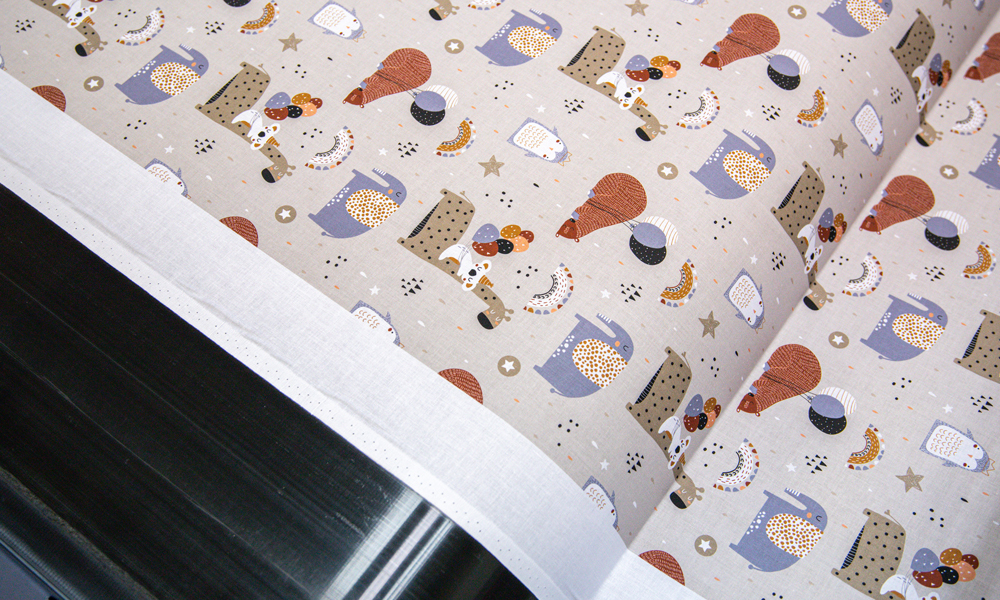
Sublimation printing: for polyester and cotton blends
Although sublimation printing works best on polyester, it can also be applied to cotton-polyester blends.
Advantages:
- Exceptional durability and vibrancy of colors.
- Capability to print on challenging surfaces.
Disadvantages:
- Does not work on pure cotton fabrics.
Flex and flock foil for custom designs
Flex and flock foils are techniques that create unique effects on clothing and other products. They are ideal for creating personalized projects, especially when originality and high-quality finishes are a priority.
Flex foil:
- Characterized by a smooth surface, giving a sleek, professional look to the print.
- Durable, resistant to washing, and provides vivid colors.
- Excellent for simple, single- or multi-color designs, logos, and text.
Flock foil:
- Creates a soft, velvety texture that adds a unique touch to the design.
- Ideal for achieving 3D effects, especially for more decorative and artistic patterns.
- Works well on clothing where texture plays an important role, such as t-shirts, bags, and accessories.
Environmental friendliness of the various printing techniques
In response to growing environmental awareness, the textile industry has been introducing technologies that minimize environmental impact. Choosing the right printing method can reduce water, energy, and chemical usage, making the process more sustainable.
Pigment printing – the eco leader:
- Minimal water usage: No intensive rinsing of fabrics, saving water.
- No aggressive chemicals: Pigments are applied directly to the material, minimizing the need for binders.
- Safe water-based inks: These are easy to dispose of and safer for both the environment and users.
Reactive printing – precise and eco-friendly:
- High ink efficiency: The reactive dye penetrates the fabric fibers, reducing ink waste.
- Fewer chemical pollutants: Modern reactive printing technologies use fewer chemicals, lowering environmental impact.
- Energy efficiency: Although the process requires high temperatures, modern equipment enhances energy efficiency.
Screen printing – efficiency and durability:
- Cost-effective for large runs: Screen printing is ideal for mass production, lowering unit costs and minimizing waste in large batches.
- Eco-responsibility: New screen printing technologies have reduced chemical use, and some companies use eco-friendly inks, including water-based ones.
Sublimation – water-free printing:
- Eco-friendly process: Sublimation printing doesn’t require water, minimizing water usage and eliminating toxic waste.
- Durability of prints: Products retain their qualities for longer, reducing the need for frequent replacements and lessening environmental impact.
Which printing technique is right for your project?
Choosing the right printing technique depends on several key factors such as fabric type, budget, production scale, and print durability.
For DIY projects: Reactive printing is a great choice when you want to create unique, personalized designs. This method gives you intense, durable colors and very detailed patterns. It works well for small batches, making it ideal for custom orders.
For mass production: If you’re looking to produce on a large scale, such as for promotional clothing or mass-produced t-shirts, screen printing is the most cost-effective choice. It allows for quick and affordable printing of large quantities with high-quality prints, reducing unit costs.
For clothing and décor: If you want durable and vibrant colors on cotton fabrics, pigment printing is the way to go. This method ensures excellent print quality on fabrics like t-shirts, bags, cushions, and curtains. It’s also more eco-friendly and efficient for smaller batches, making it ideal for everyday clothing production.
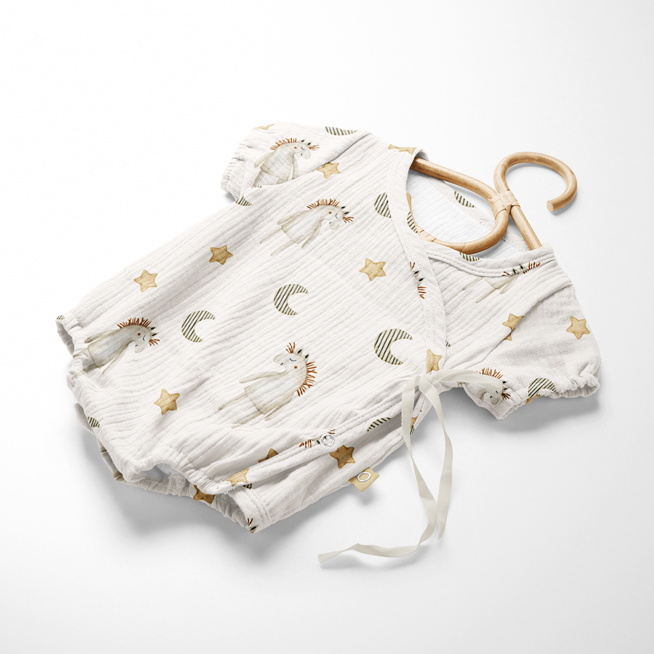
The right technology makes the difference!
Experimenting with different printing techniques is key to finding the best solution. Whether you need digital fabric printing or a print made using screen printing, it’s important to match the technology to your needs.
Get inspired by our printing methods and create your unique project!
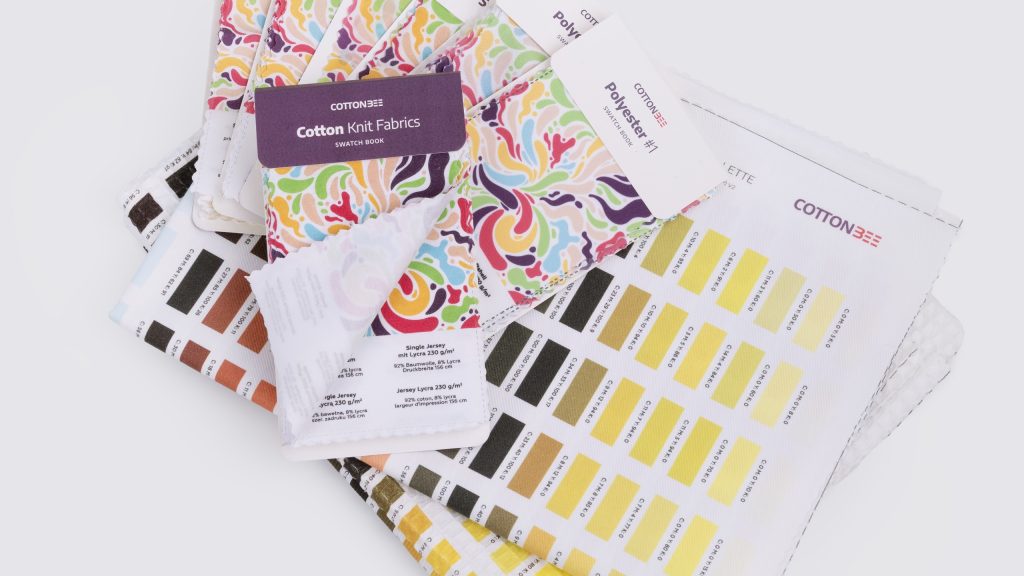
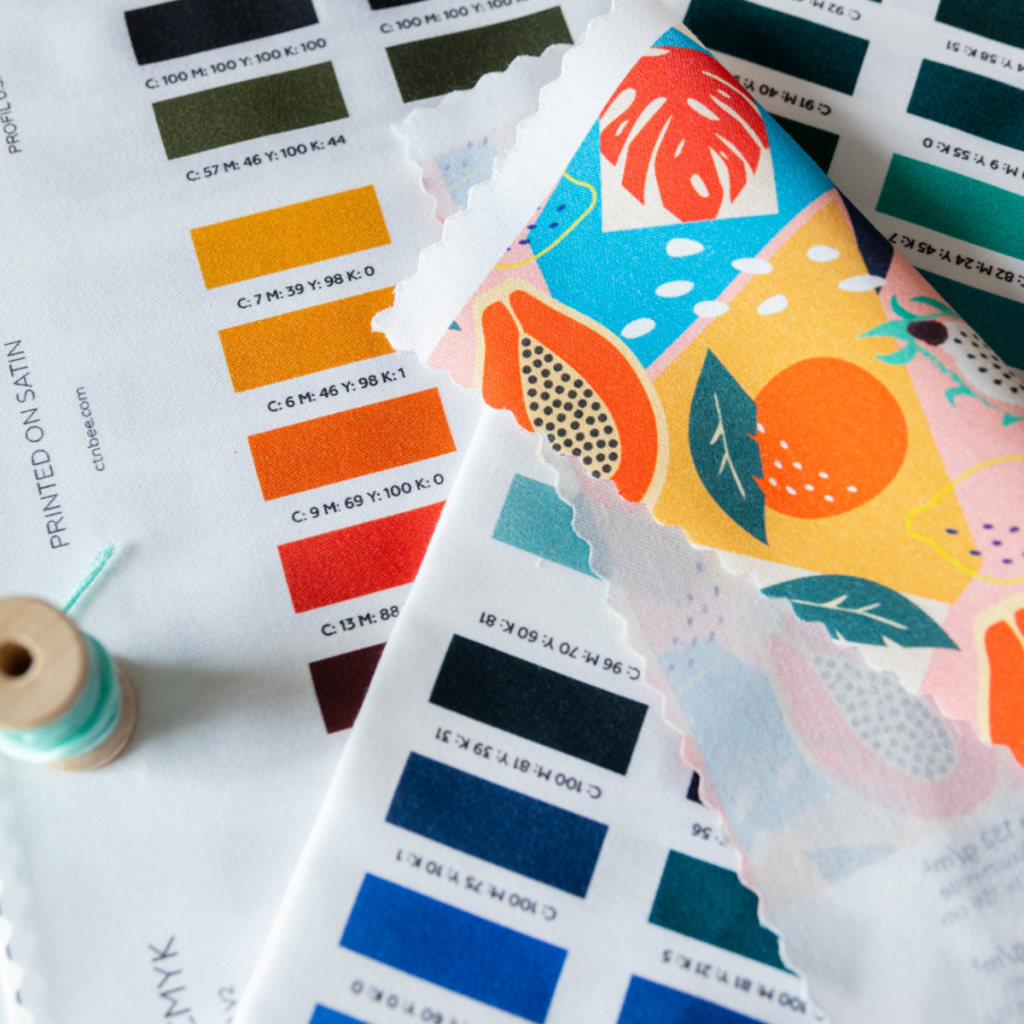
Want to try various printing techniques? Order fabric samples from CottonBee or use our online configurator to create your dream project!