No creases on fabrics, i.e. what is cotton mercerisation
Do you dream of a shiny cotton fabric that won’t wrinkle after a long day? Mercerization is a fabric enhancement process that gives cotton materials new properties, highly desired in clothing and accessories. What is mercerizing cotton, and how does it change cotton fabrics?
Table of Contents
- What is mercerised cotton?
- The mercerization process: 4 steps cotton’s transformation
- Main benefits of mercerized cotton
- Mercerised cotton vs cotton
- What is mercerized cotton used for?
- Mercerised cotton fabric: sustainability and environmental aspects
What is mercerised cotton?
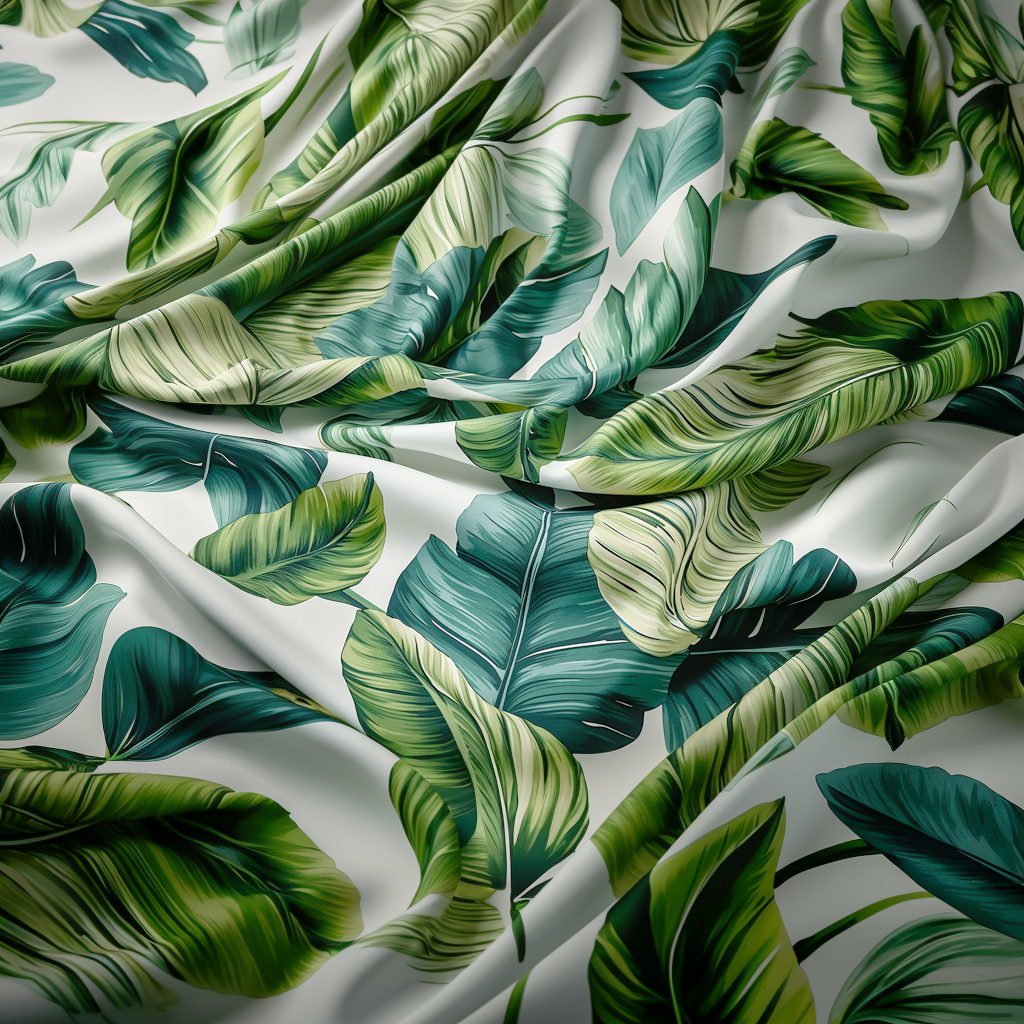
Mercerized cotton is a type of cotton that has undergone a special finishing process, giving it unique qualities that set it apart from regular cotton fabrics. It features a smooth, glossy surface, which gives it an elegant appearance, along with exceptional softness. Mercerized cotton also has greater durability, flexibility, and resistance to mechanical damage, making it highly functional and long-lasting.
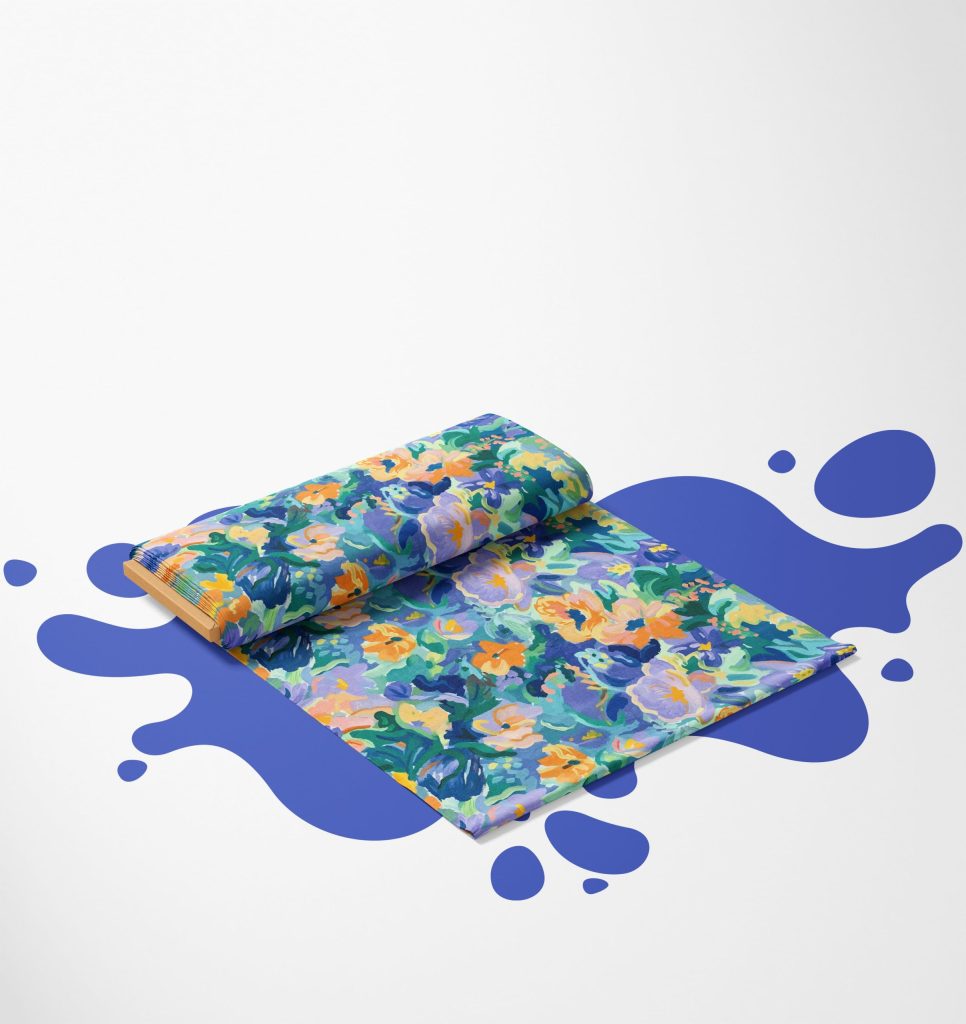
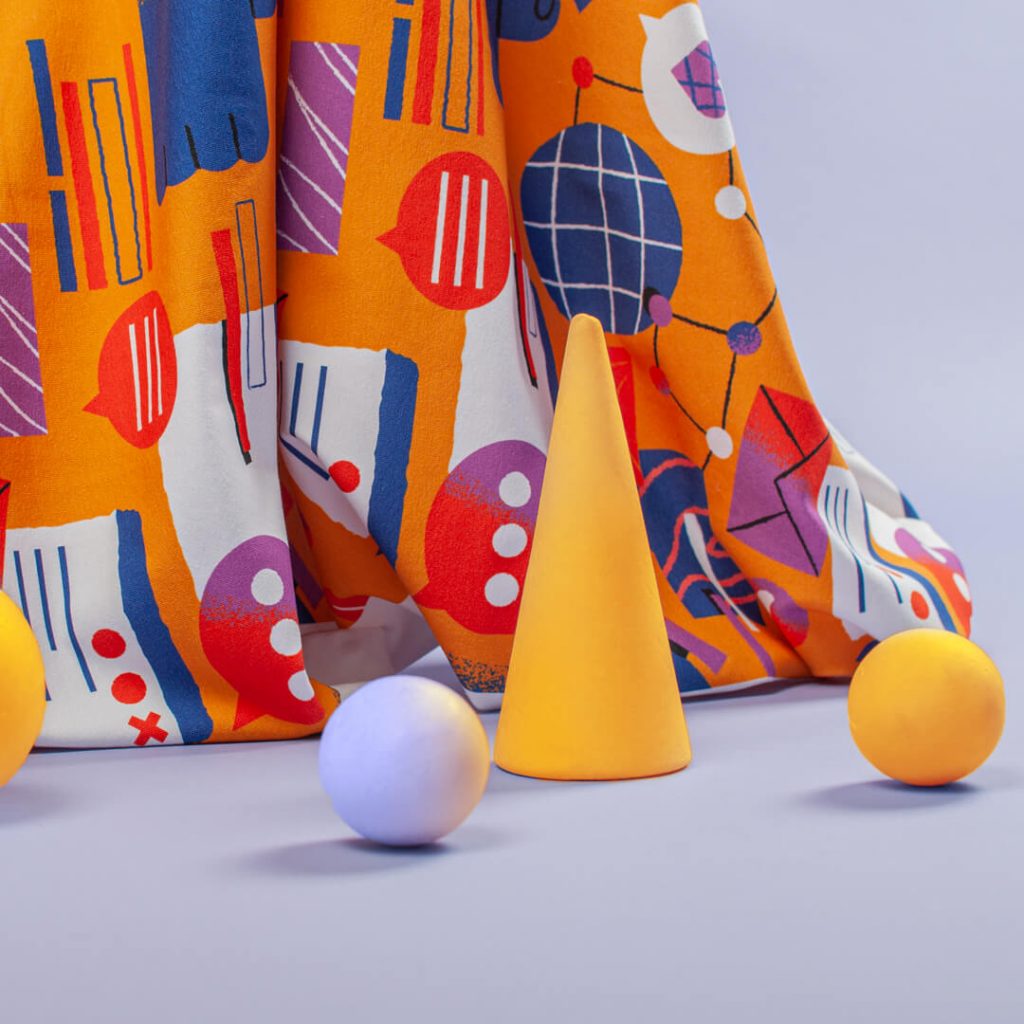
One of the key characteristics of mercerized cotton is its enhanced ability to absorb dyes. Thanks to the mercerization process, colors printed or dyed on this fabric are rich, vibrant, and long-lasting, even after multiple washes. This makes mercerized cotton especially valued in the production of high-quality textiles, from clothing to home decor.
The mercerization process: 4 steps cotton’s transformation
Immersion in an alkaline bath
The cotton fabric or yarn is immersed in an alkaline solution, usually sodium hydroxide (NaOH). During this stage, the fibers are stretched in a controlled manner, altering their molecular structure. The mercerization process imparts new properties, such as increased strength and flexibility. This is the key moment when the fibers lose their original matte finish and begin to acquire a glossy appearance.
Washing and neutralization
After immersion in the alkaline bath, the fabric is thoroughly rinsed to remove any remaining chemicals. Then, neutralization is performed using acetic acid or other neutralizers to restore the fabric’s neutral pH. This stage is crucial for ensuring the safety and durability of the material.
Structural changes in the fibers
Throughout the process, the structure of the cotton fibers undergoes significant changes. The surface tension of the fibers increases, making them smoother and shinier. The fabric’s surface gains the ability to better reflect light, resulting in the elegant shine of mercerized cotton.
Enhanced dye absorption
Due to the mercerization process, cotton fibers become more porous and receptive to dye absorption. The open fiber structure allows for deeper penetration of pigments, which translates into more intense, vibrant, and durable colors, even after repeated washing.
The mercerization process not only improves the technical properties of cotton but also its aesthetic appeal, making it a fabric with exceptional visual and practical qualities. As a result, printing on cotton fabric is widely used in the production of luxury textiles, such as premium clothing, bed linens, and decorative fabrics.
Main benefits of mercerized cotton
- Smoothness and gloss
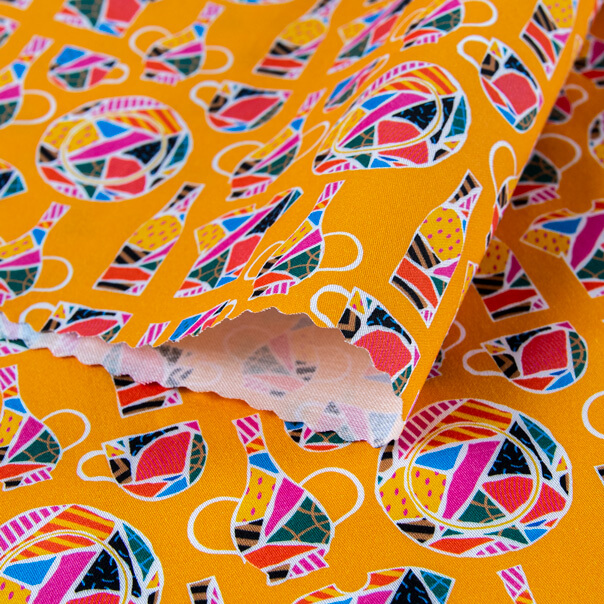
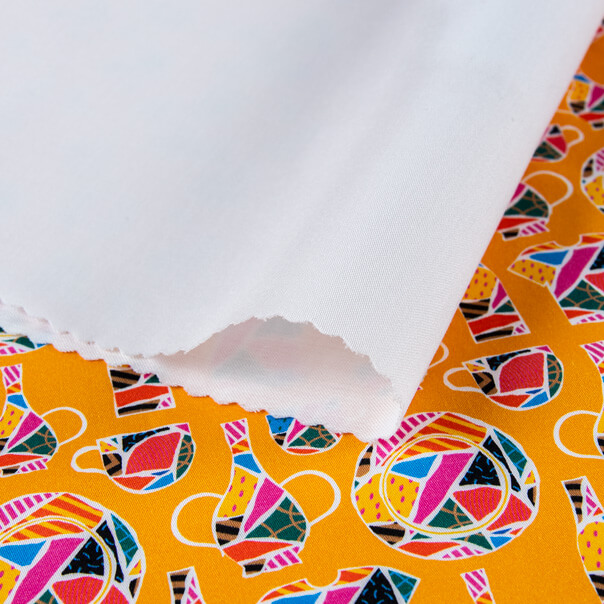
The primary characteristic of mercerized cotton is its elegance. The mercerization process smooths the fiber surface, making the fabric silky to the touch and giving it a subtle, luxurious sheen. Fabrics made from this cotton have a more exclusive appearance, making them perfect for premium clothing, bed linens, or decorative textiles.
- Better durability
Thanks to the mercerization process, the structure of cotton fibers is strengthened, making the material more resistant to mechanical damage, such as stretching or abrasion. This means products made from mercerized cotton retain their appearance and quality for a long time, even with intensive use.
- Better dye absorption
Mercerizing cotton makes it more absorbent to dyes. The depth and intensity of colors achieved on this fabric are more vivid than on regular cotton.
- Wrinkle resistance
One of the most practical benefits of mercerized cotton is its natural resistance to wrinkles. This fabric is easier to iron, and garments or home textiles made from it maintain a neat appearance for longer without the need for constant smoothing. This makes it an ideal choice for those who value elegance and convenience in everyday use.
Mercerised cotton vs cotton
When comparing mercerised cotton to untreated cotton, several key differences emerge. Mercerised cotton undergoes a chemical treatment that enhances its strength, smoothness, and lustrous appearance, while untreated cotton retains a more natural, matte finish. Mercerised cotton is also more resistant to wrinkles, making it easier to maintain and more durable over time. Additionally, it has better dye absorption, resulting in more vibrant and long-lasting colors.
In contrast, untreated cotton is more breathable and has a softer feel, but it may be more prone to wrinkling and may require more frequent care. It is also less resistant to wear and fading. Ultimately, mercerised cotton is ideal for those seeking a more polished, long-lasting fabric, while untreated cotton is often favored for its natural, comfortable feel.
What is mercerized cotton used for?
Premium clothing
Perfect for making elegant shirts, dresses, ties, and other formal and business wear.
- Home textiles
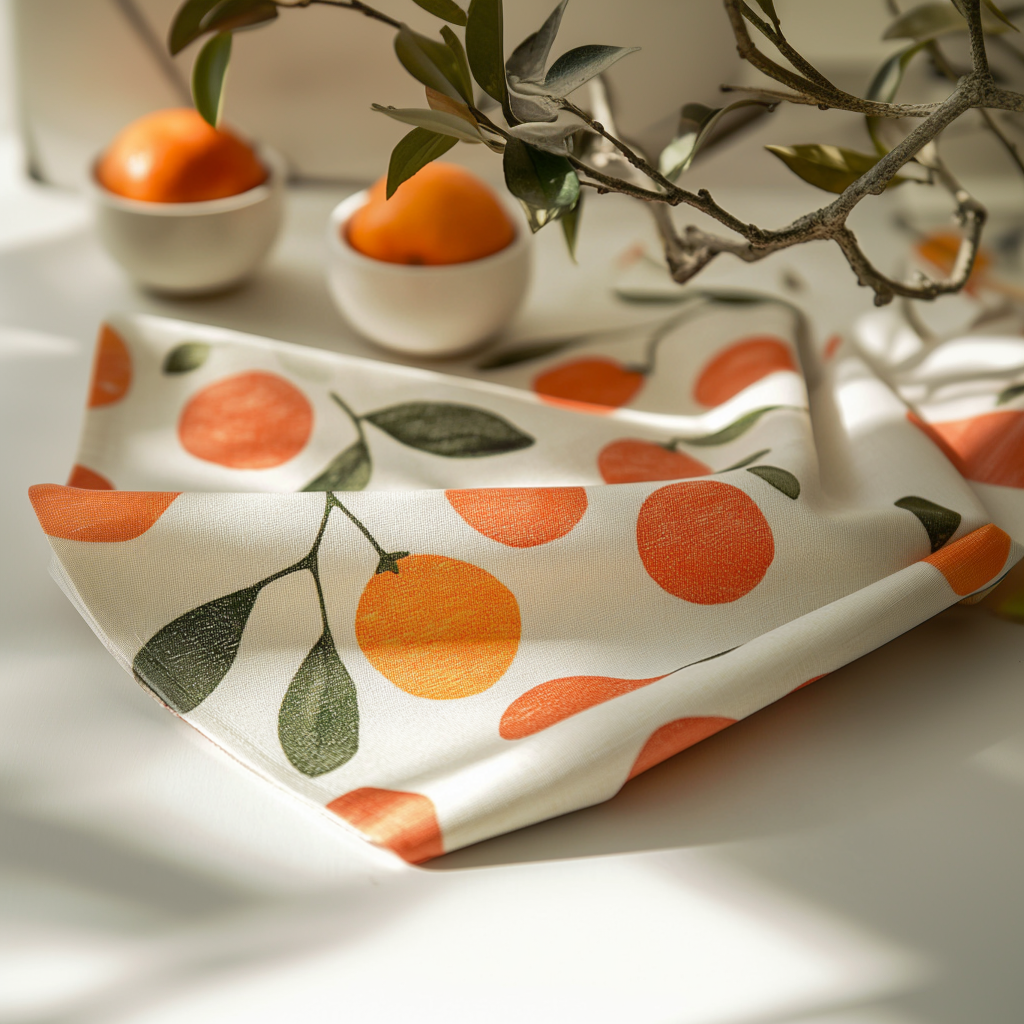
Tablecloths, napkins, and bed linens with a luxurious look, soft to the touch, easy to care for, and wrinkle-resistant.
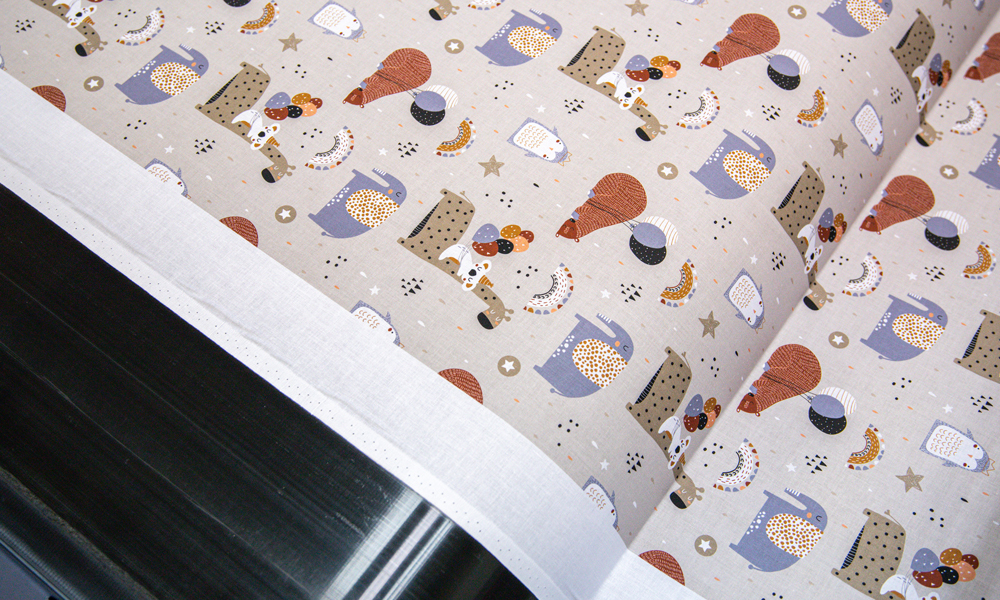
- Printing on fabrics
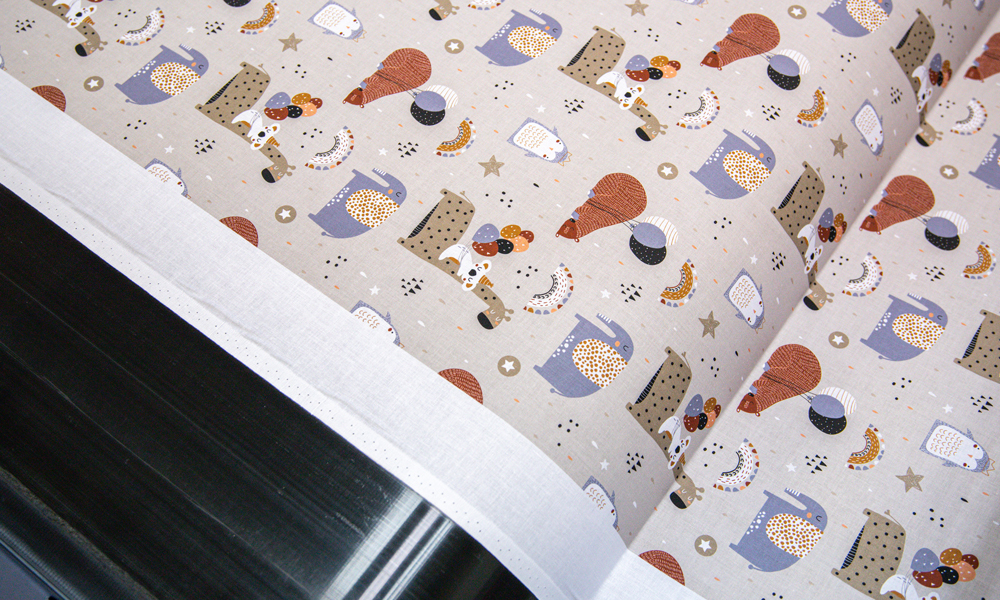
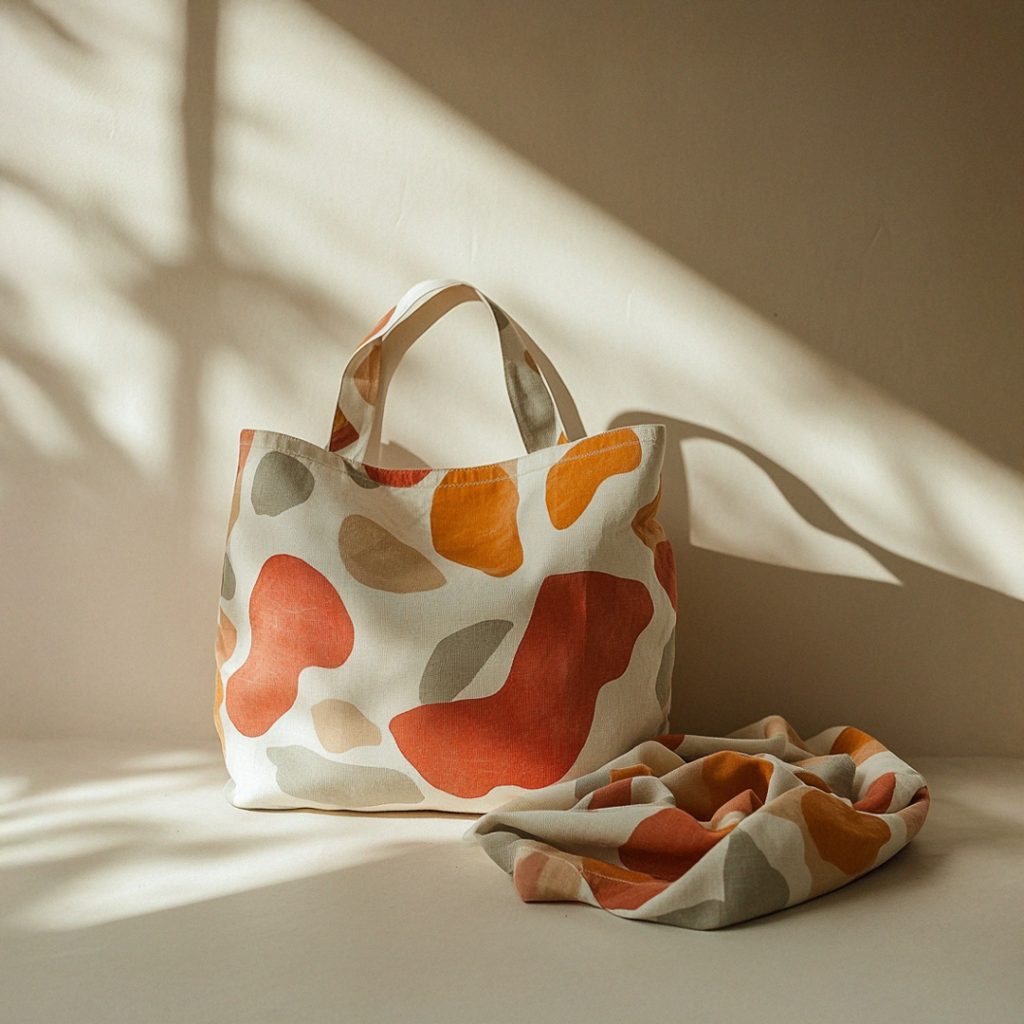
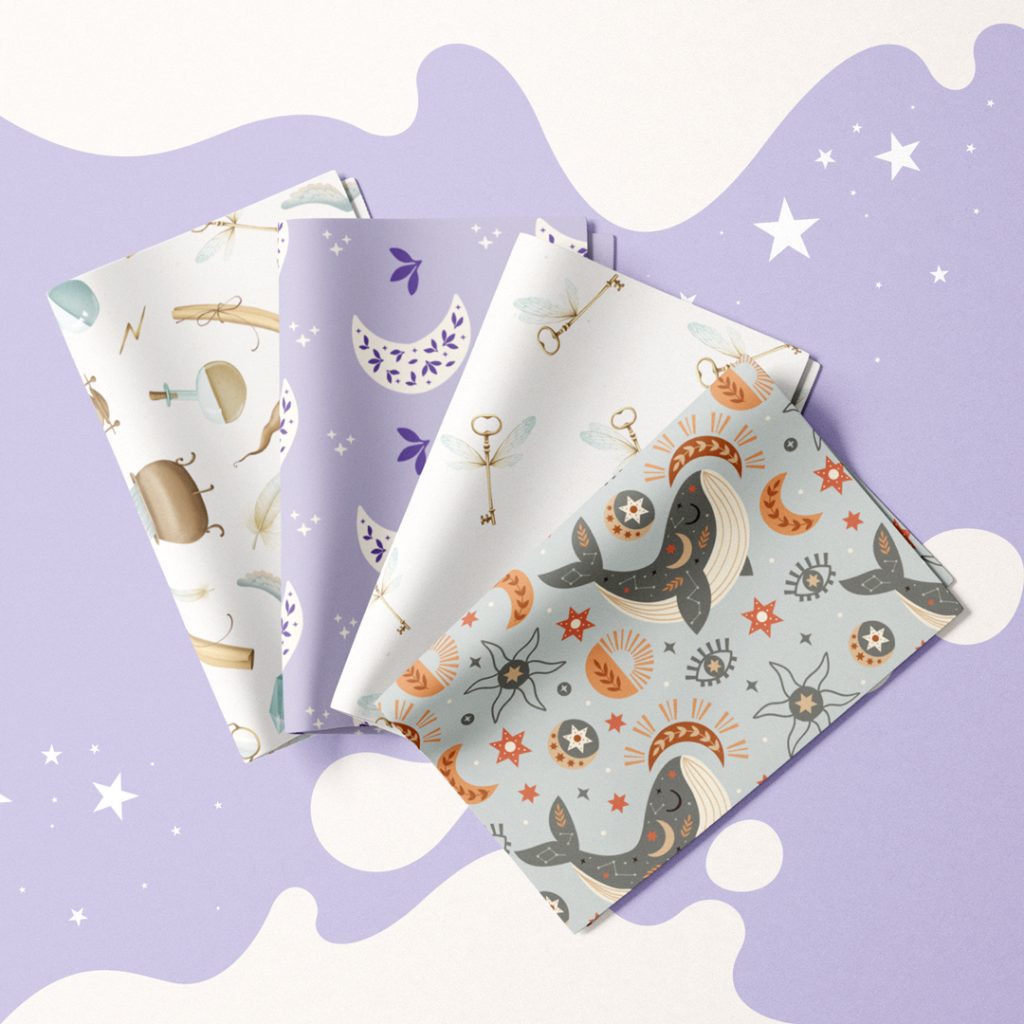
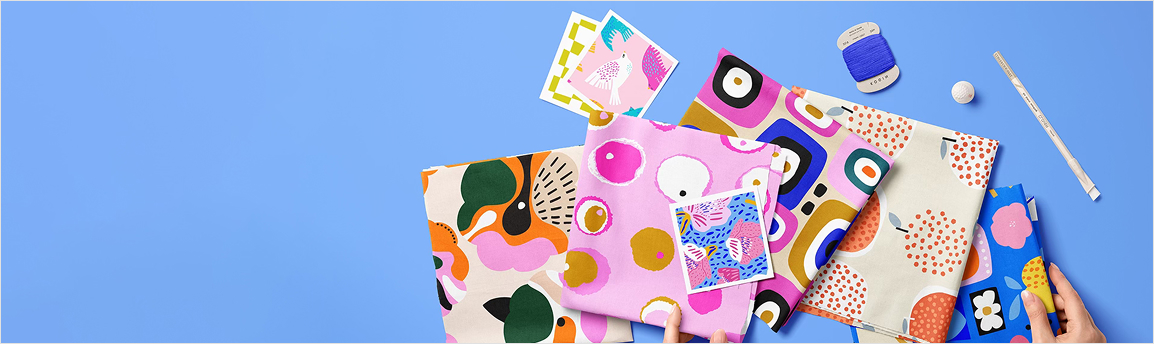
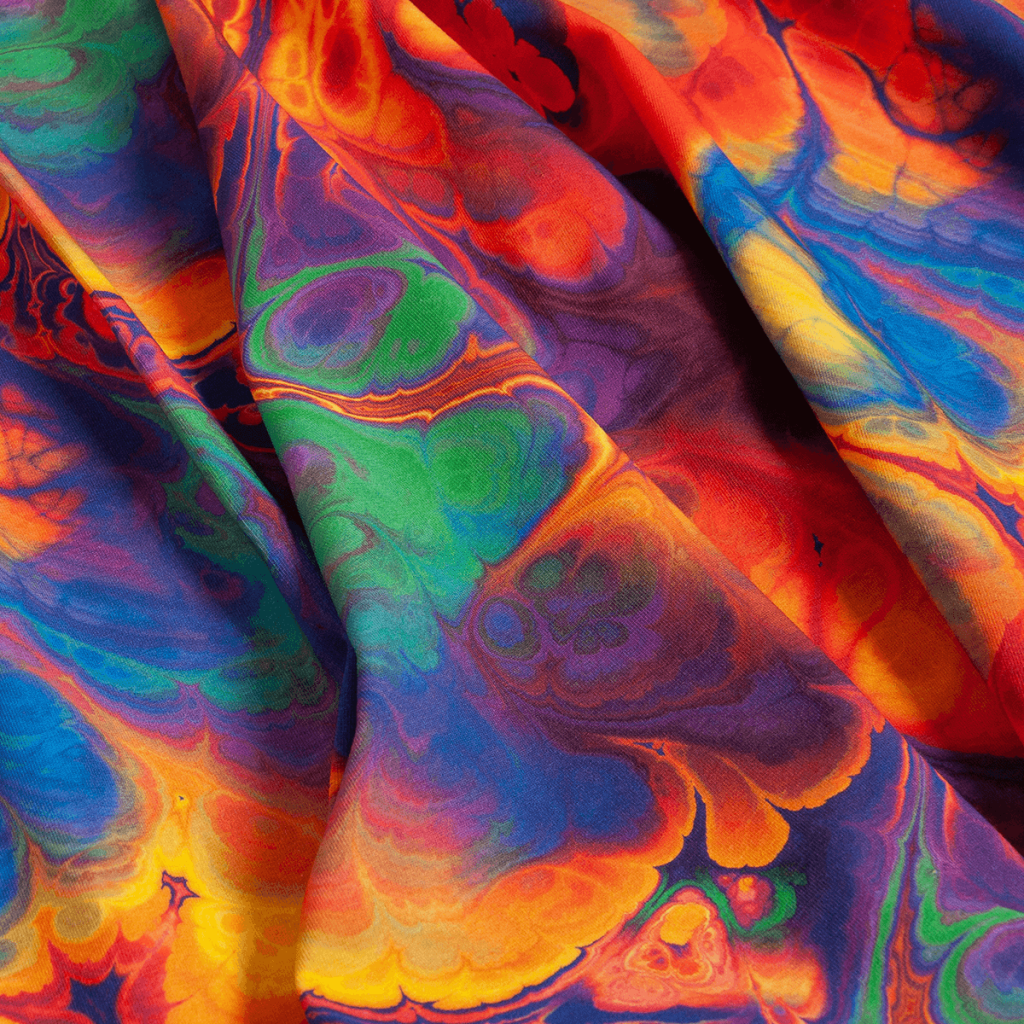
Ideal for creating products with vivid prints and fine details, such as bags, curtains, or home decor items.
- Children’s clothing
Soft and gentle, it ensures comfort and durability in making children’s clothes and accessories.
- Sportswear
Used in the production of sports and activewear due to its elasticity and durability.
- Textile accessories
Material for elegant pocket squares, bow ties, headbands, or other fashion accessories.
Mercerised cotton fabric: sustainability and environmental aspects
Mercerisation requires chemicals like sodium hydroxide and energy, which can have environmental effects. However, using closed-loop systems to recycle chemicals and energy can minimize waste and emissions. Additionally, mercerised cotton’s durability reduces the need for frequent replacements, extending the product lifecycle.
Eco-friendly alternatives include using sustainable, less harmful chemicals and opting for organic cotton fabric. Water-saving technologies can also help reduce the ecological footprint of mercerised cotton, with more sustainable solutions emerging as demand for green textiles grows.
FAQ
What is mercerized cotton?
It is cotton that has undergone a finishing process, which gives it gloss, smoothness, and durability.
What are the benefits of mercerized cotton?
Durability, wrinkle resistance, vibrant colors, and an elegant appearance.
Is mercerized cotton healthy?
Yes, it retains its natural properties, such as breathability.
Can mercerized cotton be washed?
Yes, it can be machine-washed according to the manufacturer’s instructions.
How much does mercerized cotton shrink?
The mercerization process minimizes shrinkage, but it’s always recommended to pre-shrink the fabric before sewing.
Contact us to learn how to choose the best premium mercerized cotton
Discover the difference that mercerized cotton can make in your projects. Choose a fabric that combines elegance, durability, and exceptional style, giving your ideas a new dimension of quality.