What is velour and what to sew with it? Everything you need to know about it!
Table of contents
- What is velour?
- Properties of velour fabric
- Is velour a microfibre?
- Velour versus velvet – differences
- Is velour a good fabric?
- What can be made of velour?
- Velour and its properties – summary
What is velour?
Velour is a fabric that has long been associated with luxury and elegance, both in fashion and in interior decoration. It is a fabric with a soft, delicate texture that is reminiscent of velvet, although it differs in its manufacture, texture and thickness. The most characteristic feature of velour is its fluffy, pleasant-to-touch fleece, which gives it a unique softness.
Velour can be made from a variety of fibres, both natural, such as cotton, and synthetic, such as polyester. It is also common to find blends of these fabrics that combine the advantages of natural and artificial fibres, such as greater wear resistance and elasticity. This makes velour a versatile fabric, suitable for a variety of applications.
It is interesting to note that velour is often confused with other fabrics such as velvet, plush or velvet. Although they have some similarities in appearance and feel, they differ in their manufacturing technique and texture. Velvet is a thick fabric with a more lustrous surface, woven with six threads, while velvet is created with two threads, making it thinner and slightly more flexible. Plush, on the other hand, is fluffier and its fibres are longer, giving it a distinctive âpuffyâ look.
Properties of velour fabric
Velour is a fabric that combines aesthetics with functionality, making it a frequent choice in both fashion and interior decoration. Its appearance is immediately eye-catching – it is a fabric with a soft and slightly mesmerising surface that lends an elegant character to designs. One of the most distinguishing features of velour is its thickness and fleshy nature, making it a great choice for colder weather clothing and as an upholstery fabric used for furniture such as sofas, armchairs and decorative cushions. Velour is thick enough not to be see-through, yet flexible enough to mould well to the body or surface on which it is used.
Velour is also a resilient fabric, which means that it quickly returns to its original shape when crushed, which is particularly important for clothing and upholstery – it does not crease easily and retains its elegant appearance for longer. Its elasticity makes it comfortable to wear, making it a popular choice for sewing elegant yet comfortable garments such as dresses, suits and blouses.
Velour also has practical utility properties. It is relatively easy to care for – it dries well and, with the right treatment, it does not wrinkle or lose its original appearance. This makes velour a durable fabric that retains its appeal over the years. Depending on the fibres used, it can additionally be more resistant to stains and wear, especially if it has an admixture of polyester.
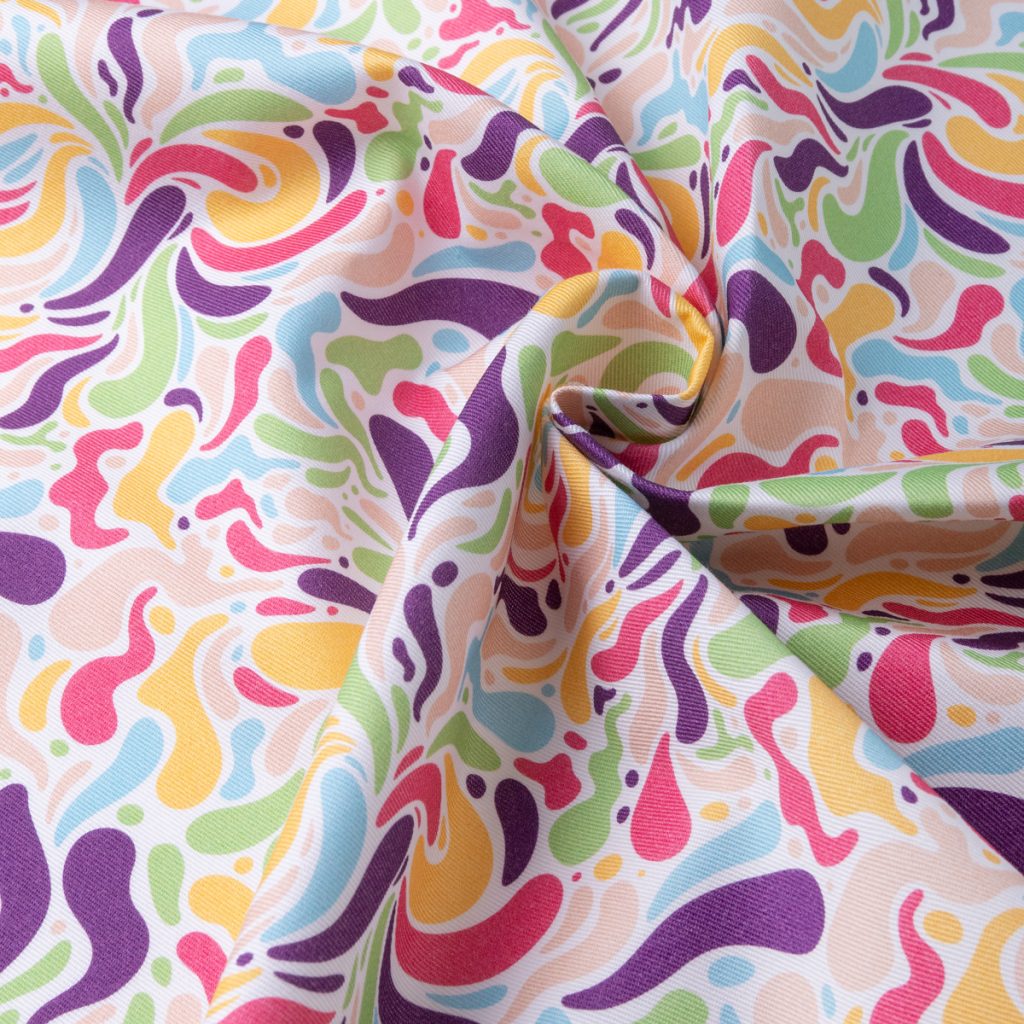
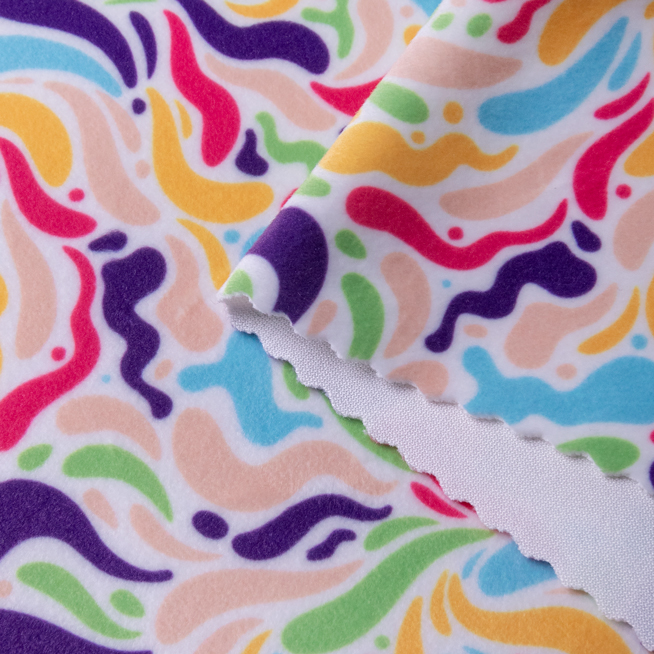
Modern technologies, such as reactive printing or digital printing, open up additional design possibilities. Polyester-blend velour is ideal for a wide variety of designs – from subtle geometric motifs to more artistic, colourful compositions. Digital printing allows for precise reproduction of even the most complex designs, making velour an even more attractive material in both fashion and interior design. As a result, we can encounter velour in a variety of variants, increasing its versatility and enabling a wide range of applications.
Is velour a microfibre?
Although both velour and microfiber can be made from synthetic fibres, they are completely different materials in terms of structure, appearance and properties. Microfiber is an extremely thin synthetic fibre that is usually made from polyester or polyamide. The thinness of the fibre is a key feature of microfiber – a single microfiber thread is dozens of times thinner than a human hair. Thanks to this specific structure, fabrics made of microfibre are exceptionally soft, lightweight and yet extremely smooth to the touch. Microfiber is popular for its functional properties: it is very durable, dries quickly, is very air-permeable and absorbs moisture well, which is why it is often used to make towels, bed linen, cloths and sportswear.
Velour, on the other hand, is a fabric that stands out for its distinctive mesquite texture. Whether it is made of cotton, polyester or a blend of fibres, velour always has a fine pile that gives it softness and visual depth. Its surface is slightly fluffy, making it feel more like velvet than a smooth microfibre. Furthermore, velour is a fleshier and more supple fabric than microfiber, making it an excellent choice for garments, curtains, bedspreads or upholstered furniture. Its main advantage is its elegant appearance, which gives interiors and clothing a luxurious feel.
Velour and velvet – the differences
Velour and velvet are two fabrics that, at first glance, may seem very similar due to their soft, mesmerising texture and elegant appearance. However, they actually differ in many ways, both in the way they are produced and in their performance characteristics and finishes.
Velvet and velour are fabrics often associated with luxury, but they differ in many ways. Firstly, the structure of the two materials is different. Velvet is woven with six threads, which gives it a dense, hairy surface and an intense sheen, while velour uses only two threads, making it thinner and more flexible. This difference in construction affects the look and feel – velvet has a silky smooth, glossy surface, while velour has a subtle matte sheen and a softness that is less formal and more cosy.
In terms of application, velvet is favoured in more elegant and formal contexts – evening dresses, dinner jackets, as well as interior decoration such as curtains and bedspreads benefit from its deep colour and intense sheen. Velour, although also elegant, is more versatile and functional. Thanks to its flexibility, it is better suited to everyday clothing and elegant but less formal garments, such as jackets and trousers.
The thickness and weight of the fabrics also differ significantly – velvet is thicker and heavier, giving it a more majestic look and stability, while velour is lighter and more springy, making it easier to wear and more practical for everyday styling.
Is velour a good fabric?
Velour is a fabric that has been hugely popular for years because of its exceptional qualities, both aesthetic and functional. Its elegant appearance and durability make it an excellent choice, especially for clothing and upholstery fabrics. One of the key advantages of velour is its resistance to wear and tear, making it an ideal material for heavy use, especially in furniture or home decoration. Thanks to its resilience and resistance to crushing, velour maintains its form and does not lose its elegance even after prolonged use.
When it comes to clothing, velour is valued for its softness and elasticity, which ensures a comfortable wearing experience and a perfect fit on the figure. Its subtle sheen lends a luxurious feel to garments, making it a frequent choice for the design of elegant creations such as dresses, jackets, suits and evening wear.
In the context of upholstery fabrics, velour is an excellent choice for furniture such as sofas, armchairs or decorative cushions. Its thickness and abrasion resistance make it perfect for everyday use, maintaining its aesthetics for years.
What can be sewn from velour?
Velour is an extremely versatile fabric that is widely used in various sewing and decorative projects. Its softness, delicate sheen and elegant structure make it a popular choice for sewing clothing, accessories and also decorative elements in interior design.
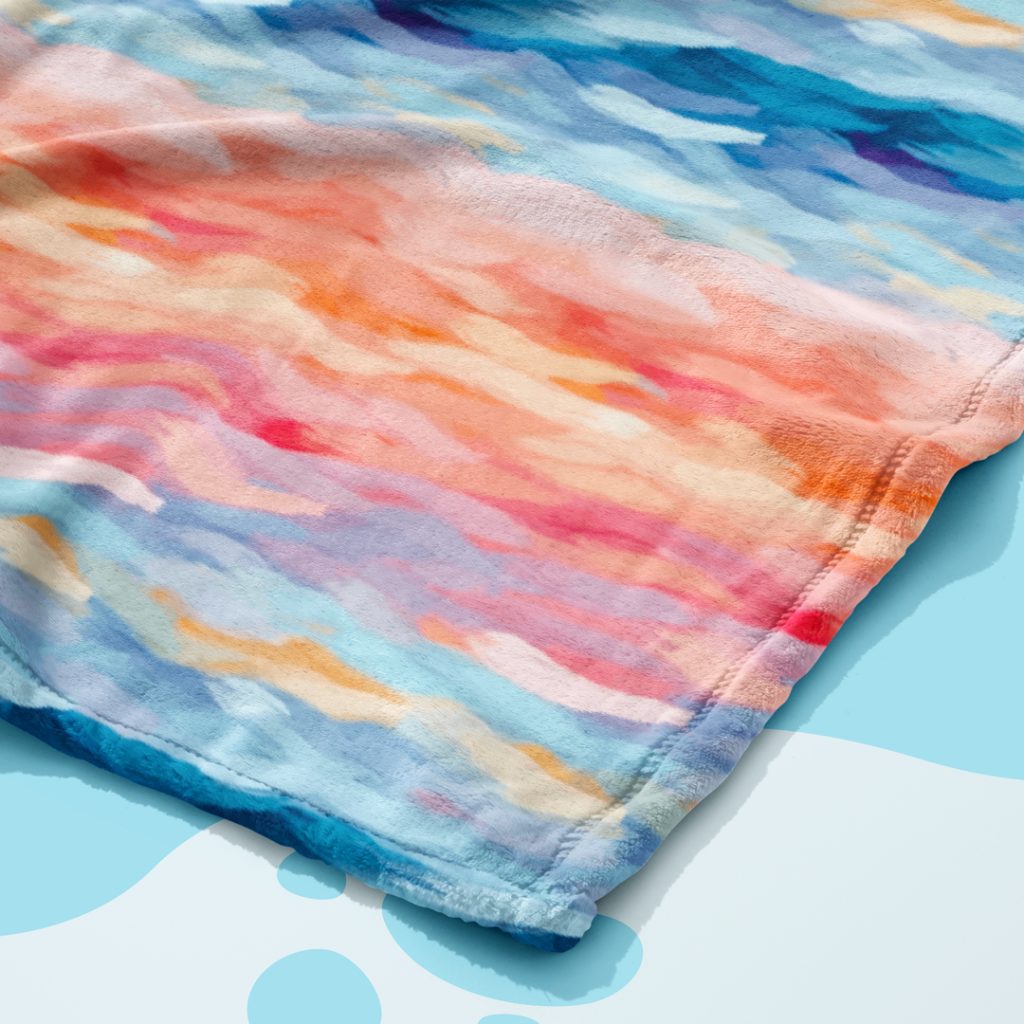
Clothing – dresses, jackets, blouses, trousers, suits
Velour is often used in the sewing of elegant and stylish garments that combine wearing comfort with a sophisticated look. Dresses made from velour are the perfect choice for special occasions, as the material sits beautifully on the figure, adding a luxurious touch to any outfit. Thanks to the subtle sheen of velour, dresses get a special shine, making them the perfect choice for evening outings or celebrations.
Velour jackets and suits are also very popular, especially in men’s and women’s fashion, where elegance goes hand in hand with comfort. Velour jackets add a touch of class to styling and are also very comfortable to wear thanks to the elasticity of the fabric. Velour trousers, on the other hand, are an interesting choice for those who want to combine elegance with comfort – they are soft yet elegant, ideal for less formal occasions. Also, velour blouses, often with a loose fit, are a stylish and comfortable solution for everyday wear, adding a touch of chic to your outfit.
Accessories – hats, gloves, bags
Velour is also great for accessories. The thickness and softness of the fabric make it ideal for winter hats and gloves. Velour hats provide excellent protection from the cold and look very stylish, adding an elegant touch to winter outfits. Similarly, velour gloves are soft and warm, providing comfort on cold days while looking elegant and luxurious.
Handbags made of velour are another example of how this fabric can highlight the elegance of even everyday accessories. Due to their opulent appearance, velour handbags often become a decorative styling element, ideal for evening outings or formal occasions. Their texture makes them durable, yet soft and pleasant to the touch.
Decorations – cushions, curtains, bedspreads
Velour is also extremely popular in interior design, where it adds cosiness and elegance to rooms. Curtains made of velour look exceptionally elegant and at the same time perfectly darken rooms, making them not only decorative but also a practical solution. Thanks to their thickness and texture, velour curtains fold beautifully, adding a luxurious look to interiors.
Decorative velour cushions are the ideal way to add elegance to any interior. With their rich texture and subtle sheen, velour cushions are not only a functional addition, but also a stylish accent that can accentuate your living room or bedroom d̩cor. Likewise, velour bedspreads Рthey are soft, warm and add a special touch to the interior while also being a practical accessory.
Velour and its properties – summary
Velour is a fabric that stands out not only for its elegant appearance, but also for its practical properties. Its softness, elasticity and durability make it an ideal choice for creating both elegant clothing and stylish accessories or interior decoration. Thanks to its resistance to wear, quick drying and ease of maintenance, velour is gaining popularity in many industries. Its subtle sheen and pleasant-to-touch texture add a unique touch to any project, combining comfort with luxury.