Why Choose Organic Cotton?
Cotton is one of the most popular materials used in the textile industry, but not all types of cotton are the same. In recent years, increasing attention has been given to organic cotton, which is an eco-friendly and healthier choice compared to traditional conventional cotton. While both have their advantages, they differ in terms of cultivation, production, and their impact on the environment and health. In this article, we will explore the key differences between organic and conventional cotton and present the benefits and challenges associated with choosing between them.
Table of Content
- What Is Organic Cotton?
- Environmental Benefits of Organic Cotton
- Health and Consumer Benefits
- Economic and Ethical Impacts
- Certifications and Standards
- Comparison with Other Materials
- Challenges and Considerations
- The Future of Organic Cotton
- Choosing Organic Cotton Products
What Is Organic Cotton?
Definition and Production Process
Organic cotton is grown using eco-friendly, pesticide-free methods that promote sustainable cotton production. Unlike conventional cotton farming, which relies on synthetic fertilizers and pesticides, organic farming practices prioritize soil health, biodiversity, and water conservation. This sustainable organic cotton is cultivated with respect for the environment, using organic farming techniques that maintain the natural balance of ecosystems.
Differences Between Organic and Conventional Cotton
The key differences between organic and conventional cotton lie in farming methods, environmental impact, and health benefits. Conventional cotton farming often involves heavy pesticide use, contributing to soil degradation and water pollution. In contrast, growing organic cotton eliminates harmful chemicals, improves soil quality, and supports sustainable cotton textiles that are safer for both farmers and consumers.
Environmental Benefits of Organic Cotton
Reducing Carbon Footprint
One of the major environmental benefits of organic cotton is its lower carbon footprint. By avoiding synthetic fertilizers and adopting regenerative agricultural techniques, organic cotton farming minimizes greenhouse gas emissions, making it a more sustainable organic cotton option.
Water Conservation in Organic Cotton Production
Compared to conventional cotton, water-saving cotton farming techniques used in organic agriculture significantly reduce water consumption. Organic cotton fields rely on rain-fed irrigation systems, preserving natural water resources and preventing over-extraction from rivers and groundwater.
Eliminating Pesticides: Protecting Ecosystems
Pesticide-free cotton protects both the environment and human health. Organic cotton farming prohibits synthetic chemicals, ensuring that ecosystems, including pollinators like bees, remain unharmed.
Promoting Biodiversity Through Organic Farming
By using organic farming methods, organic cotton cultivation supports biodiversity in cotton farming. Diverse crop rotation and natural pest control methods enhance soil fertility and encourage a balanced ecosystem.
Preventing Soil Erosion and Improving Soil Health
Sustainable organic cotton farming focuses on maintaining healthy soil through composting, crop diversity, and natural fertilizers. These organic farming practices prevent soil erosion and contribute to long-term agricultural sustainability.

Health and Consumer Benefits
Hypoallergenic Properties of Organic Cotton
Organic cotton garments are naturally hypoallergenic, making them ideal for people with sensitive skin. Since they are pesticide-free, they do not contain harmful residues that can cause irritation.
Why Organic Cotton Is Ideal for Sensitive Skin
Unlike conventional cotton, soft organic cotton is free from harsh chemicals, making it a safe choice for those prone to allergies. Organic cotton safeguards skin health while providing a high-quality material with superior breathability.
Organic Cotton in Baby Clothing: Safety and Comfort
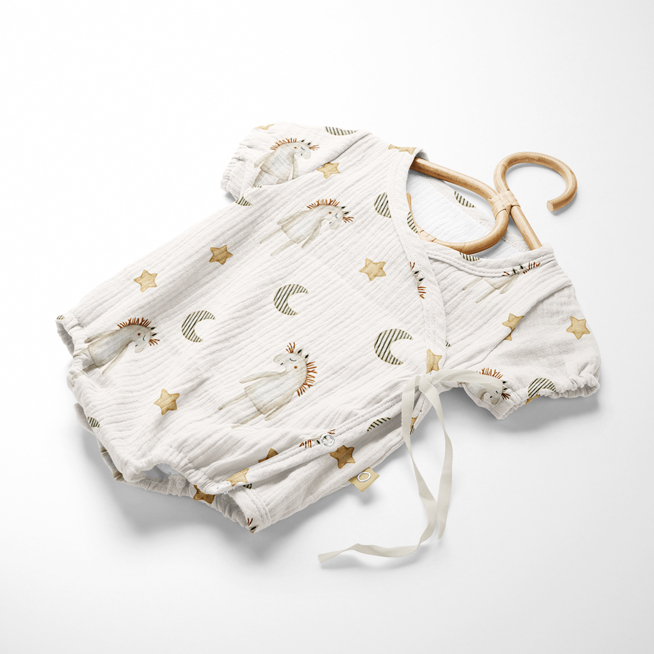
Parents increasingly choose organic cotton baby clothing because of its biodegradable nature and durability. Babies’ delicate skin benefits from the softness of certified organic cotton, ensuring comfort and safety.
Economic and Ethical Impacts
Supporting Fair Wages and Ethical Practices
Organic cotton farming often adheres to ethical cotton practices, ensuring that organic farmers receive fair wages and work in ethical working conditions. Many brands support fair trade organic cotton, promoting living wages and humane labor standards.
The Role of Organic Cotton in Local Economies
By supporting sustainable cotton materials, consumers contribute to economic stability in rural communities. Purchasing organic cotton helps small-scale farmers transition to sustainable textiles, reducing dependency on chemical inputs and increasing their income.

Certifications and Standards
GOTS: Global Organic Textile Standard
The Global Organic Textile Standard (GOTS) is one of the most recognized organic cotton certifications, ensuring that textiles meet strict environmental and social criteria. GOTS-certified cotton guarantees ethical production, from farming to final fabric processing.
Other Key Organic Cotton Certifications
In addition to GOTS, organic certified cotton may also carry OEKO-TEX® Standard 100, which ensures that textiles are free from harmful chemicals. The Better Cotton Initiative also promotes sustainable cotton farming, though it does not certify full organic status.
Comparison with Other Materials
Organic Cotton vs. Tencel
Both organic cotton and Tencel are sustainable textiles, but they differ in production methods. While Tencel is derived from wood pulp, organic cotton represents a more traditional textile choice with natural breathability and softness.
Organic Cotton vs. Conventional Cotton
The organic vs. conventional cotton debate centers around sustainability, health, and ethical considerations. Organic farming techniques eliminate harmful chemicals, while conventional cotton relies on intensive pesticide use. As a result, organic cotton prioritizes eco-conscious production.
Challenges and Considerations
Why Organic Cotton Costs More
One of the challenges of sustainable organic cotton is its higher price. Organic cotton production requires more labor-intensive methods, contributing to increased costs. However, its long-term durability makes it a worthwhile investment.
Availability of Organic Cotton in the Market
The organic cotton industry is growing, but organic cotton market availability is still limited compared to conventional cotton. As consumer demand for sustainable cotton products increases, more brands are offering organic cotton clothing and textiles.
The Future of Organic Cotton
Its Role in Climate Change Mitigation
The future of organic cotton is closely tied to its role in reducing environmental impact. By lowering carbon footprint, organic cotton farming helps mitigate climate change effects.
How Regenerative Agriculture Enhances Organic Cotton Farming
Advancements in regenerative cotton farming improve soil health and increase yields, making sustainable cotton production more viable for farmers worldwide.
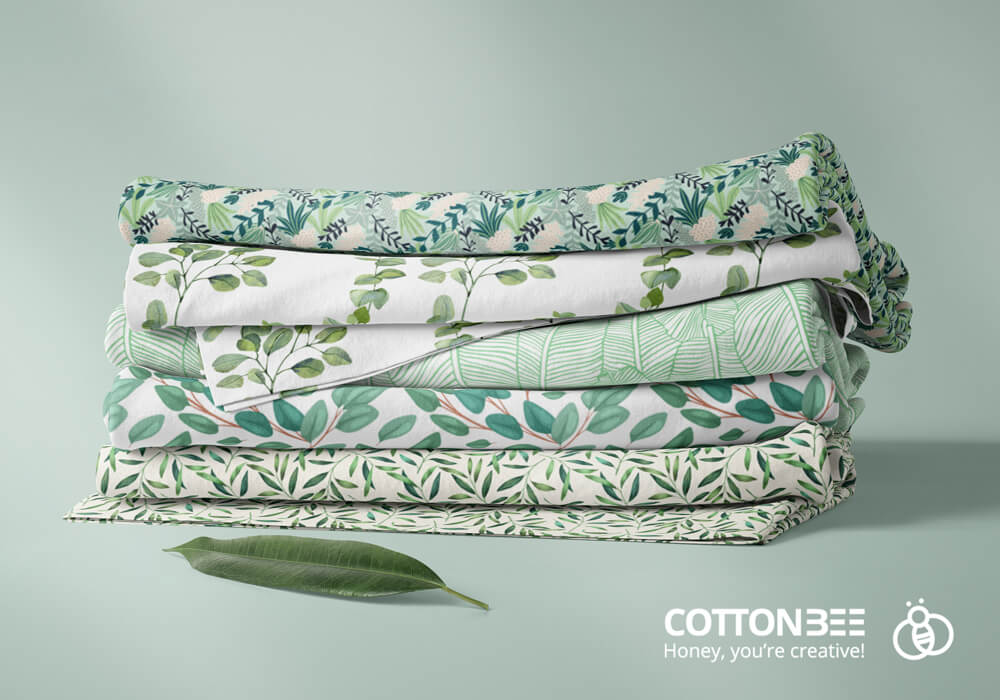
Choosing Organic Cotton Products
Benefits of Organic Cotton Clothing and Textiles
Organic cotton sustainably produced garments offer superior comfort, breathability, and durability. Organic cotton deserves attention for its role in ethical and eco-friendly fashion.
Tips for Shopping Sustainable and Ethical Cotton Products
When buying sustainable cotton products, look for organic textile standard certifications like GOTS or OEKO-TEX®. Supporting brands that use sustainable organic cotton ensures a lower environmental impact.
Conclusion
Organic cotton represents a shift toward more environmentally friendly and ethical fashion. From organic cotton bedding to clothing, its benefits extend beyond personal comfort to global sustainability. By purchasing organic cotton, consumers support sustainable cotton materials, ethical labor conditions, and a healthier planet.