These hypoallergenic fabrics can change your life
People with chronic allergies or sensitive, irritable skin must be careful about everything they surround themselves with. The cosmetics, laundry detergents and even textiles present in the home and wardrobe are important. Fabrics, or to be more precise, their certain features, in allergy sufferers can cause holidays, burning, rash or respiratory ailments. Which fabrics for allergy sufferers are the best and what to look for when choosing hypoallergenic fabrics?
Table of Contents
- Hypoallergenic materials, i.e. what?
- Which textiles are hypoallergenic materials?
- What causes allergies in fabrics?
- Which fabrics for allergy sufferers will be the best?
- Cotton
- Linen
- Bamboo
- Where to use hypoallergenic materials?
Hypoallergenic materials, i.e. what?
The term “hypoallergenic” means not causing allergic reactions. However, if you look closely at the origin of the word, it turns out that the Greek prefix “hippo” means less. Hence, “hypoallergenic” means less allergenic, not entirely free of allergens. Hypoallergenic household detergents, cosmetics and even food can be used. Sometimes this term is used to describe even certain breeds of cats or dogs that cause fewer allergic reactions. Today we will focus on other, ready-made products with hypoallergenic properties, namely materials.
Which textiles are hypoallergenic materials?
Materials made of natural fibres are considered the best fabrics for allergy sufferers. Natural fabrics and knitted fabrics are materials with high air permeability, and a good ability to absorb moisture, sometimes their chemical structure closely resembles that of our skin. Hypoallergenic materials are fabrics that are free from harmful chemicals that can cause irritation.
What causes allergies in fabrics?
If you are allergic to fabrics, your body can react to several different aspects of the material. An allergic reaction may be caused by the raw material from which the material is made (most often it concerns synthetic materials), or, for example, by bleaching agents, dyes and other chemicals used at the production stage of the material. Ailments in allergy sufferers may also appear in the case of impermeable synthetic materials. Due to the accumulation of moisture, which the material cannot absorb or remove from the skin, an excellent environment is created for the growth of fungi, bacteria and mites.
Which fabrics for allergy sufferers will be the best?
When choosing fabrics for allergy sufferers, first pay attention to what kind of fibre you are dealing with. Natural fabrics and knitted fabrics are considered to be hypoallergenic materials. A safe choice for allergy sufferers will also be all textiles with the OEKO-TEX Standard 100 certificate. Materials with such a mark have been tested for the presence of 100 chemicals that are most harmful to humans, including many popular allergens. So, what hypoallergenic materials to choose?
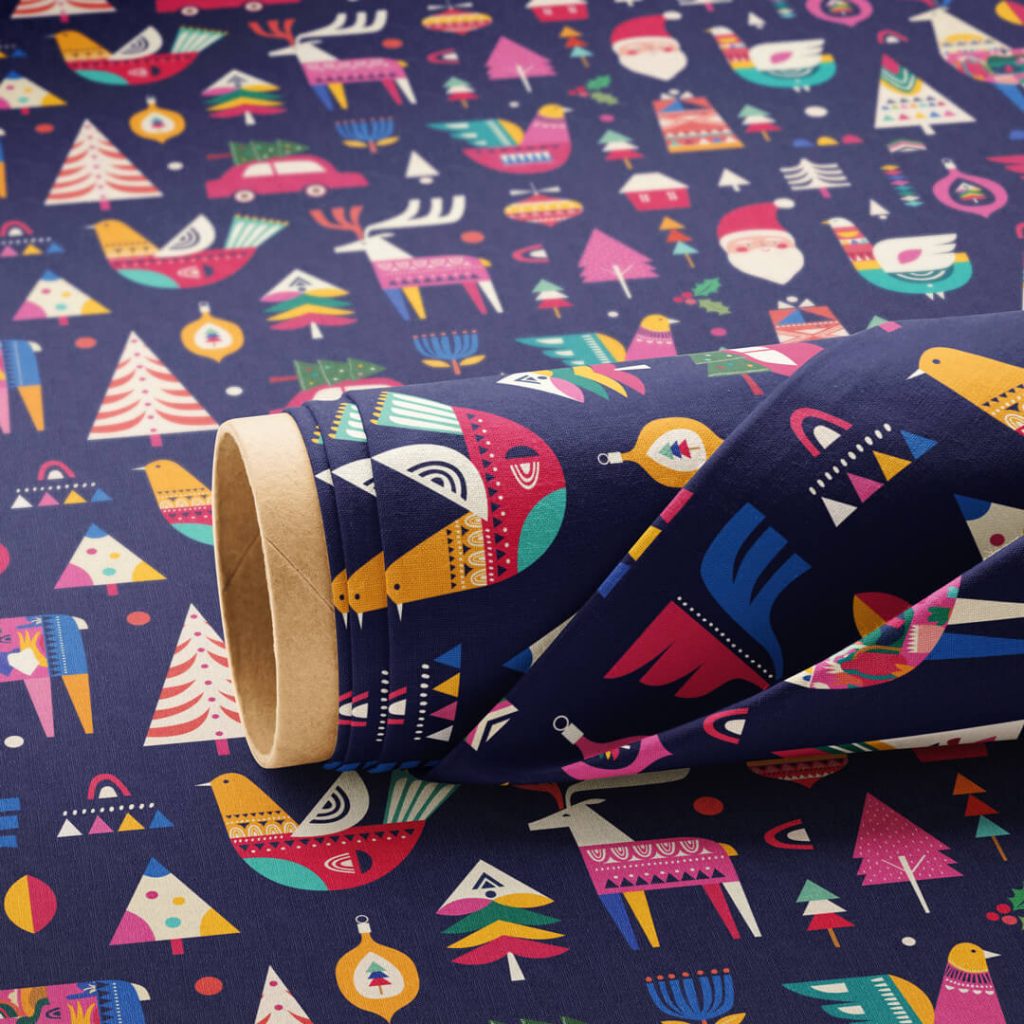
Cotton
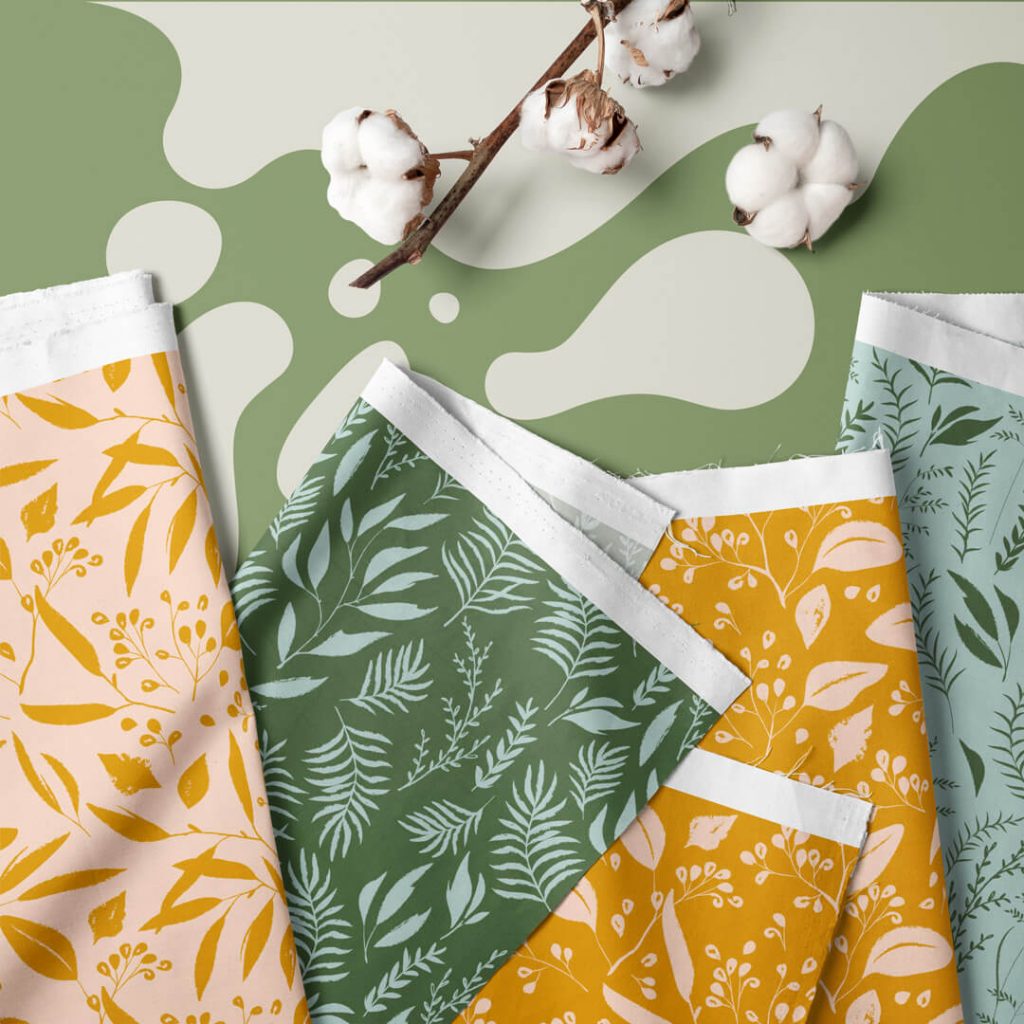
The material that needs no introduction to anyone, i.e. cotton, is a popular choice and a favourite of many allergy sufferers. Cotton is a versatile material that perfectly absorbs moisture, is breathable and does not accumulate microorganisms. Cotton is very durable, it tolerates frequent washing and everyday use. Cotton is soft and pleasant to the touch and has many uses in both wardrobe and interior design. In the case of severe allergies to chemicals, use organic cotton, which does not use any pesticides, insecticides and artificial fertilizers that can sensitize and irritate sensitive skin.
Linen
The benefits of flax were already appreciated by the ancient Egyptians. Linen is considered to be one of the oldest fabrics, although its share in the textile industry is quite small. It is an extremely light and airy fabric that prevents the accumulation of moisture on the body. Linen is durable and resistant to high temperatures, so it is the perfect choice for clothing for hot days.
Bamboo
Scientists recently discovered the hypoallergenic properties of bamboo materials. Bamboo beats cotton in absorbing moisture, it can absorb three times more water than cotton. It is also exceptionally soft and pleasant to the touch material, which can be found more and more often in clothes and accessories for children or in underwear.
Where to use hypoallergenic materials?
In allergy sufferers, people with sensitive and delicate skin, hypoallergenic materials should replace all other textiles that come into contact with the body. Suitable fabrics for allergy sufferers should replace all towels and kitchen cloths, bedding, underwear and clothes at home. It is also worth paying attention to all kinds of backpacks and bags – our hands, arms and the skin on our backs come into frequent contact with them and can also irritate the skin.