What is polyester? Here’s what you need to know about it
Table of Contents
- The history of polyester
- What is polyester? How is polyester made?
- Polyester fabric
- Polyester – advantages
- Is polyester healthy?
- Is polyester warm?
- Does polyester breathe?
- Is polyester waterproof?
- Polyamide vs polyester
- Polyester vs Cotton – which to choose?
- Polyester clothing
- Softshell – what is it?
- Polyester – a material for all occasions
In today’s world, we are surrounded by various textiles, but have you ever wondered what lies behind the mysterious word “polyester”? It is one of the materials that plays a crucial role in our everyday lives, although we often do not realize its presence. Polyester is a synthetic material that is incredibly versatile and used in many fields, from fashion to technical industry.
What are the properties and application of polyester? What is polyester, what are its advantages and disadvantages? Let’s begin our journey through the world of polyester and discover why it is one of the most important materials in our modern society.
The history of polyester
The history of polyester is fascinating story of a material that has revolutionised the textile industry and helped to change many areas of our lives. The beginnings of this synthetic polymer date back to the 1940s and its development was the result of intensive research and experiments.
In the 1930s, German chemists John Rex Whinfield and James Tennant Dickson were researching new types of polymers and their work led to the invention of polyester in fibre form. The material was initially known as “Terylene” and “Dacron” – names that became synonymous with polyester in later years.
The first commercial production of polyester began in 1941 in the United Kingdom, where the material was used in the production of threads and fabrics with reinforcing properties. However, the real breakthrough came after the end of the World War II, when polyester production increased on a massive scale.
To this day, polyester is still an important material in the textile industry and beyond. Its history is an example of how scientific discovery and innovation can change our lives and influence the development of various industries.
What is polyester? How is polyester made?
Polyester is a synthetic polymer that is one of the key materials in today’s industry. It is used on various areas of industry and everyday life. In the textile industry, polyester is highly popular due to its durability, resistance to climate changes and colour retention. This material is also used in the manufacture of thread, rope and various types of packaging, including bottles and bags.
Regardless of the application, polyester has many advantages, such as durability and low susceptibility to mechanical damage. Its resistance to tears and stains makes it a popular choice in the clothing industry, both in the production of sportswear and everyday clothing. Importantly, polyester is also used in medicine to produce implants and other medical devices.
As a synthetic material, polyester is also subjected to various material engineering processes to improve its properties, such as breathability, which is particularly important for clothing and products in contact with the skin. It is also worth mentioning that polyester can be modified in various ways to adapt it to specific applications.
Polyester fabric
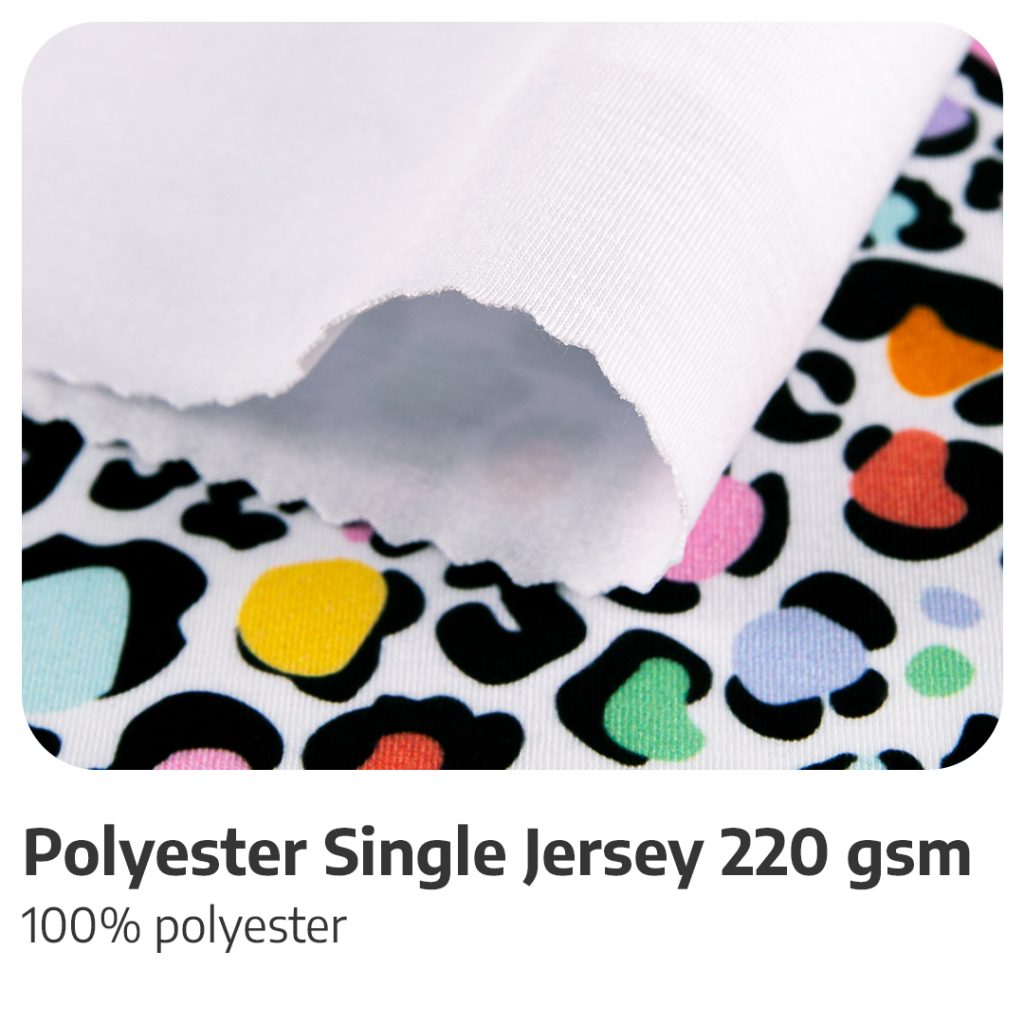
Polyester fabric is a type of textile material made from polyester fibres. It is a type of synthetic fabric that is popular in many fields, from the fashion industry to the production of household goods.
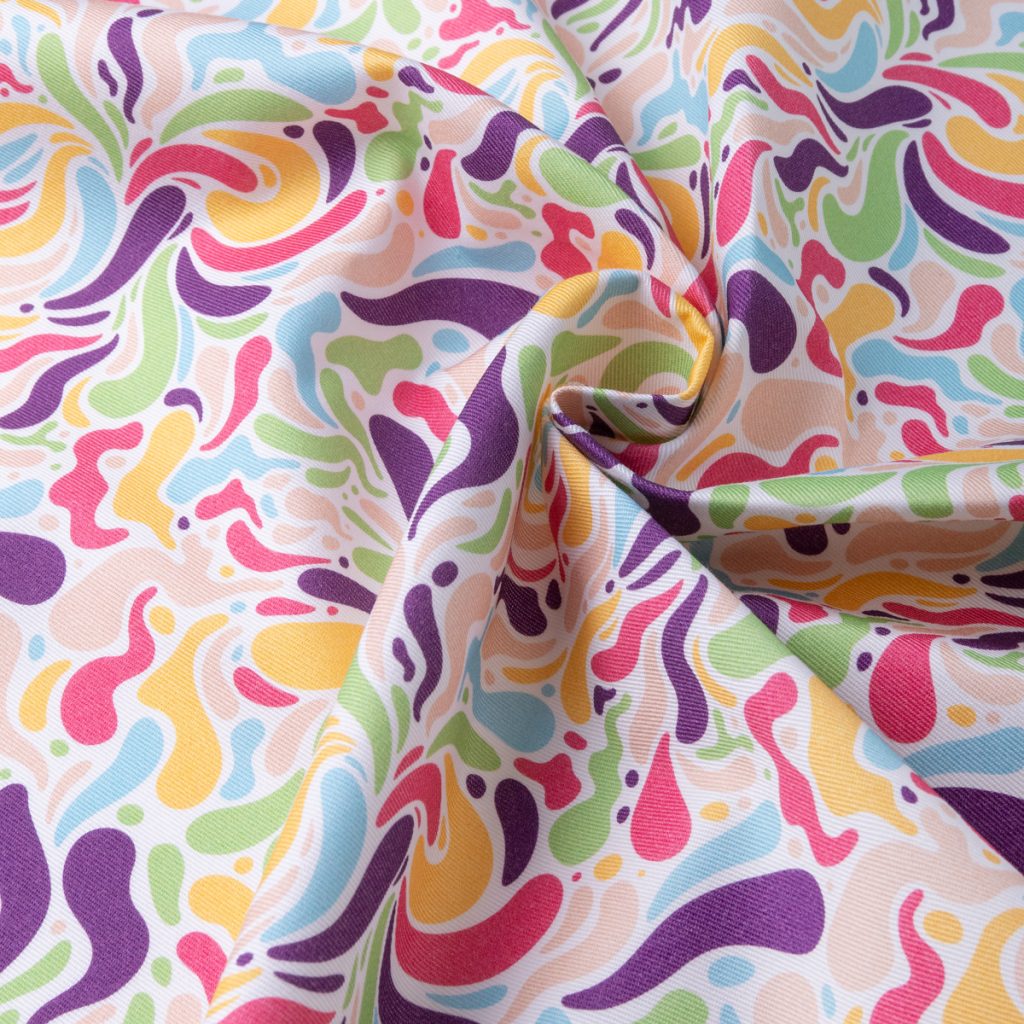
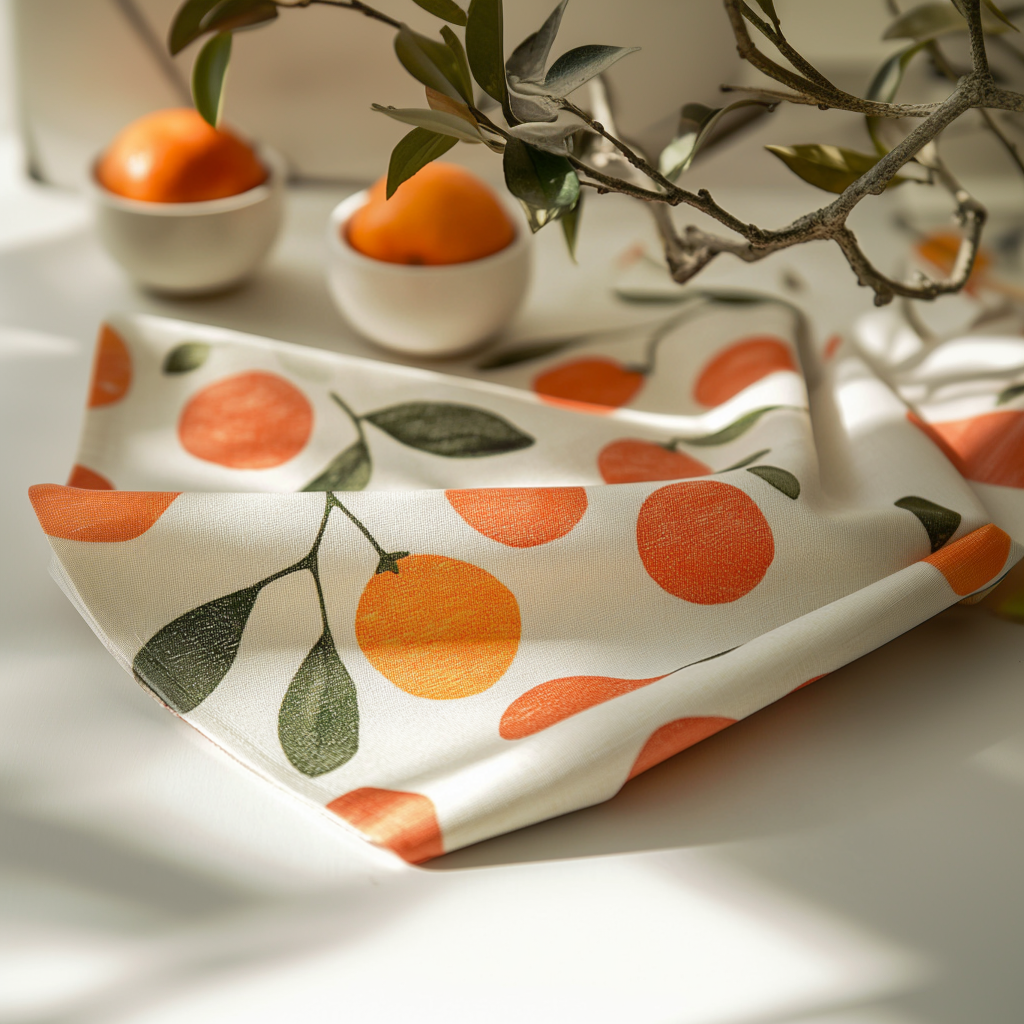
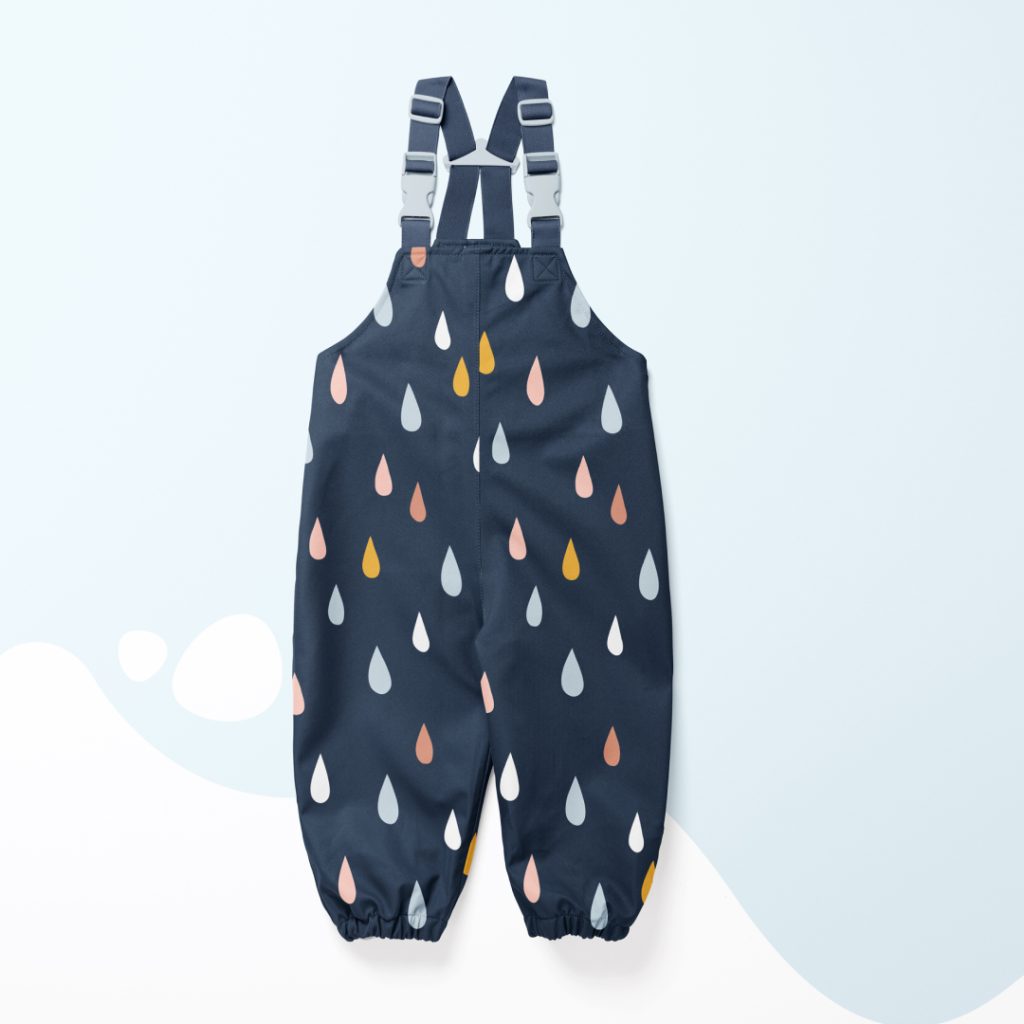
Polyester fabric is known for retaining colour intensity for a long time. It will not fade as easily as many other textiles, making polyester fabric suitable to produce colourful clothes, curtains, tablecloths and many other products.
Polyester fabric is a material with many advantages. It is widely used in the textile industry because of its versatility and practicality.
Polyester – advantages
Polyester has many advantages, making it highly valued by manufacturers and consumers all over the world. Here are some of the key advantages of this material:
- Durability and resistance to wear – polyester is resistant to tears, abrasion and mechanical damage. Therefore, polyester fabrics and polyester products retain their form and appearance over a long period of time. This is a particularly important for clothing subjected to intensive us, such as sportswear.
- Colour retention – polyester maintains colour intensity over a long period of time. Polyester fabrics do not fade like some other materials, which makes them ideal for colourful clothing and home decorations. This means you don’t have to worry about colours fading after a few washes.
- Stain and moisture resistance – polyester is also known for its good resistance to stains and moisture. This makes clothing made from this material easy to maintain and clean. Stains can usually be removed easily, and the fabrics do not soak up moisture as quickly, which is particularly important for clothing and changing weather conditions.
- Flexibility and versatility of applications – polyester is an extremely flexible material in terms of applications. It can be uses in the production of clothing, bedding, curtains, towels, as well as packaging such as bags and pouches. It can come in the form of lightweight, fine fabrics as well as thicker, more durable materials, depending on the designers’ vision.
- Modifiability – polyester is a material that can be modified in a variety of ways to suit specific applications. Thanks to modern technologies in the production of polyester fabrics, its properties, such as breathability, can be adjusted, making it more comfortable to wear, even on warm days.
Is polyester healthy?
Polyester, as a versatile synthetic material, raises many questions about its impact on human health and the environment. Let’s analyse whether polyester is healthy and which aspects are worth considering.
Polyester is generally considered a hypoallergenic material, meaning that it is unlikely to cause allergic reactions in most people. Polyester may be less breathable than some natural fabrics, meaning that polyester clothing may appear less breathable. However, modern technologies for producing polyester fabrics allow for improved breathability, making them more comfortable to wear even on warmer days.
It is also worth noting that recycling polyester is increasingly popular and beneficial for the environment. By recycling, the negative impact of polyester production on the ecology can be reduced, affecting the health of the entire ecosystem.
Is polyester warm?
Polyester is a material that is excellent at insulating heat, which is why it is considered warm. Polyester has a structure that retains body heat. This is particularly useful in clothing, as it helps to preserve the body’s internal heat and protects against chilling. In addition to his, polyester dries quickly when it comes into contact with moisture, meaning that it not only insulates heat but also does not leave clothes wet for long periods of time. This, in turn, helps to maintain thermal comfort.
It is also worth noting that, due to its insulating properties, polyester can be too warm for garments worn in hot conditions or during intense exercise. Therefore, the choice of clothing should always depend on the circumstances and the type of activity to be performed.
Does polyester breathe?
Polyester is a material that has some breathability but is not as breathable as some natural fabrics such as cotton or linen. The breathability of polyester depends on several factors, including the type of fabric, how it is produced and any modifications.
Modern technologies in the production of polyester fabrics allow the breathability properties to be controlled.
Is polyester waterproof?
Polyester is a synthetic fabric that is not hygroscopic, meaning that it does not absorb moisture as easily as some other materials. This is already one of the characteristics that can make polyester appear waterproof. However, in order to achieve waterproof properties, polyester can be coated with special coatings, such as polyurethane coating.
A polyurethane coating can be applied to polyester fabrics to increase their water resistance. This coating creates a barrier between the fabric and water, which prevents moisture penetration. This coating can be applied through various techniques such as lamination, coating or impregnation.
Additionally, chemical processes can be used during the production of polyester fabrics to reduce their water absorption. This can include various impregnation methods or chemical additives that alter the molecular structure of the fabric, making it less susceptible to moisture absorption.
As a result, polyester is not naturally water-repellent, but can be modified through the addition of polyurethane coatings, chemical processes and impregnations to produce water-repellent properties, making it more resistant to water and moisture.
Polyamide vs polyester
Polyamide and polyester are two different types of synthetic material that differ in composition, properties and applications. Both materials have their own unique characateristics.
Polyamide, often known as nylon, stands out for its excellent mechanical strength, making it resistant to tears and wear. It is flexible, resistant to abrasion and has good breathability. This makes it frequently used in the production of underwear, tights, bags and in the automotive industry.
On the other hand, polyester is valued for its durability and ability to hold colours. It is more resistant to sunlight and moisture than polyamide, which means that it maintains its properties for a long time. Polyester is used in clothing, curtains, bedding and packaging such as bags and pouches.
Polyester vs Cotton – which to choose?
The choice between polyester and cotton depends on many factors, including individual preferences, the type of clothing and the circumstances in which it will be used. Cotton is known for its excellent breathability, making it suitable for warm days. The material is natural and skin-friendly. It is less likely to cause skin irritations or allergies. In addition, cotton is soft and comfortable to wear.
Polyester, on the other hand is extremely durable and less prone to tearing. It is more resistant to wear and tear than cotton, which means clothing made of polyester retain their original appearance for longer. Polyester maintains its colour intensity over a longer period and does not fade as quickly as some natural fabrics. In addition, the material is less prone to stains than cotton, so it is easier to maintain and clean. Polyester dries quickly after coming into contact with moisture and is also relatively flexible, so it is comfortable to wear.
Polyester clothing
Polyester clothing is widely available and has many uses due to its properties such as durability, stain resistance and colour retention. Here are some examples of the types of clothing that can be made from polyester:
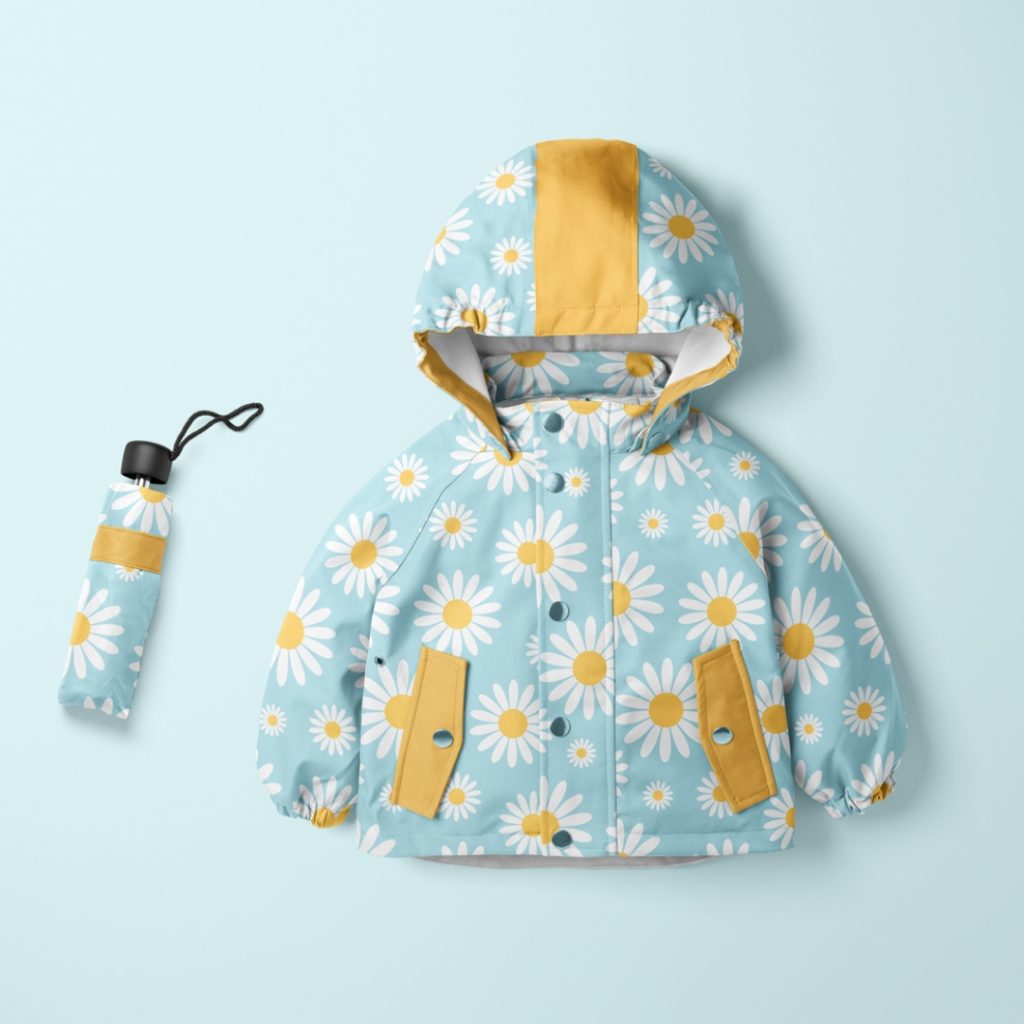
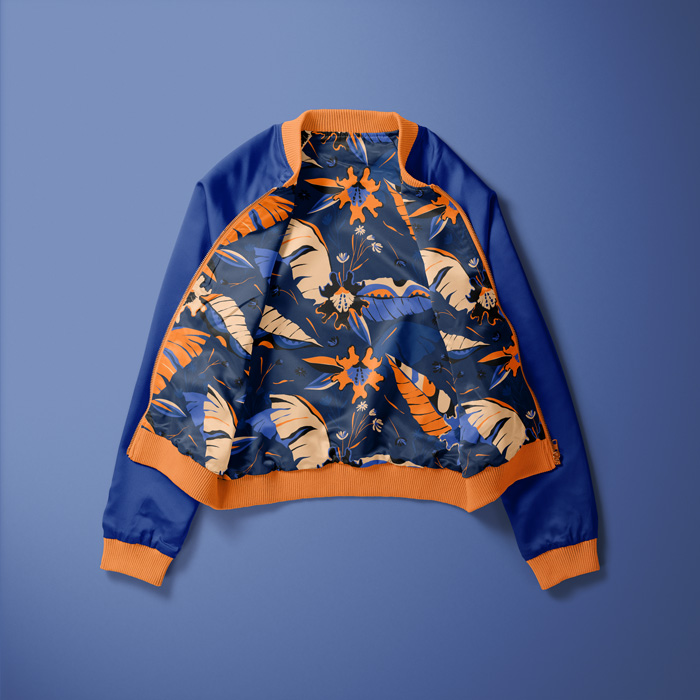
- Jackets and coats – polyester jackets and coats are popular for their durability and weather resistance. They can protect against rain and wind, making them ideal for colder days.
- Sportswear – polyester is often used in sportswear such as T-shirts, leggings, sweatshirts and jackets. Due to its durability and ability to wick moisture away from the body, it is suitable for active individuals.
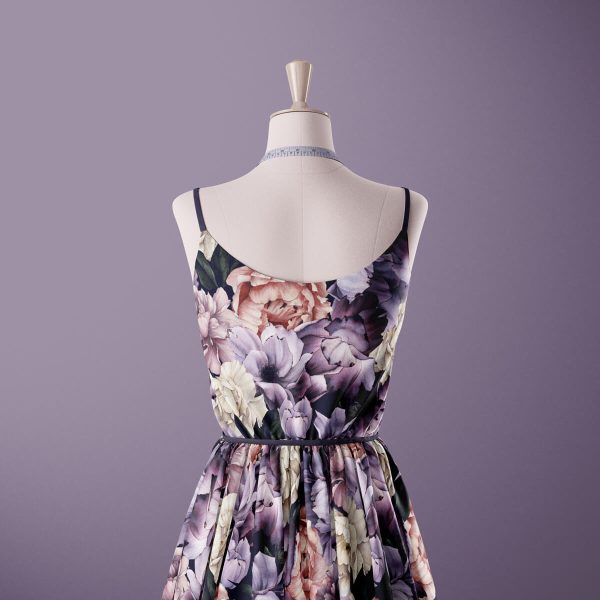
- Dresses – polyester dresses can be both casual and elegant. They can retain their shape and colour over a long time, so are an attractive choice for a variety of occasions.
- Sweatshirts and jumpers – polyester sweatshirts and jumpers are comfortable, durable and crease-resistant. They are perfect for colder days or as winter layer.
- Tights and leggings – polyester tights and leggings are durable and resistant to tears, making them practical for everyday use. Our Sport Lycra Jersey is designed to provide exceptional stretch for maximum comfort and unrestricted movement during training or any physical activity. In addition to this, we also have Legging Lycra Jersey knitwear, which is the perfect combination of style and versatility, designed to create leggings that can easily be worn to the gym or on the street. The strong stretch and fleshy material ensure a great look and feel all day long.
- Gloves and caps – polyester gloves and caps can protect against the cold and wet.
- Swimwear – polyester is often used in swimwear due to its ability to maintain colour, durability and resistance to water, including chlorinated water.
Polyester clothing is popular because of the many advantages the material has. It is worth remembering that the choice depends on individual preference, the type of activity and the circumstances in which the clothes will be worn.
Softshell – what is it?
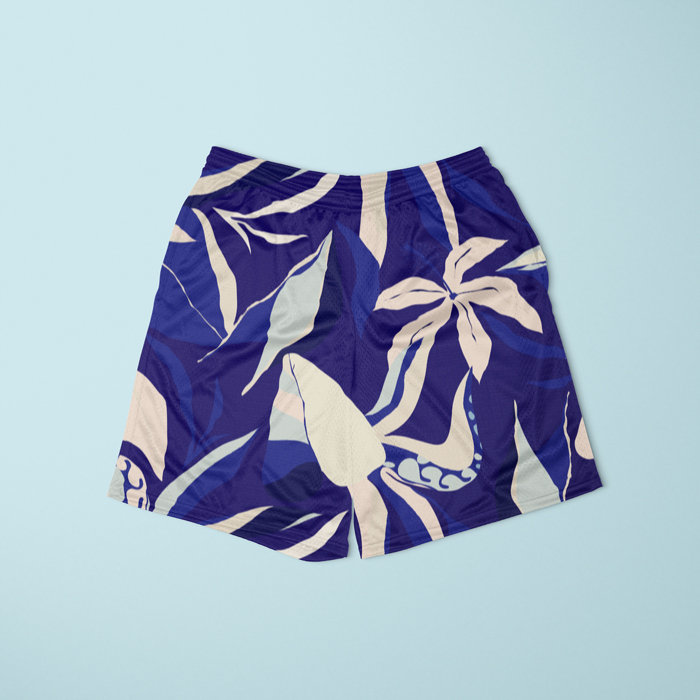
Printed softshell is created using the sublimation printing technology. Sublimation is a printing method in which a pattern is printed on paper and then transferred to the material. The dye penetrated directly into the structure of the material, resulting in permanent, vivid and indelible prints on the surface of the fabric or knitwear.
Softshell consists of two layers. The first is a waterproof membrane, underneath which is a warming, soft fleece lining. Softshell is simultaneously windproof, waterproof and breathable.
Printed waterproof softshell is an excellent fabric for outerwear. Softshell is used as a material for breathable rain jackets, ski suits that provide air circulation while protecting against win on the slopes and transitional jackets, coats or parkas.
Polyester – a material for all occasions
Polyester is a material that plays an important role in the textile industry. Its versatility and durability make it a popular choice for both clothing and other products. Although every material may have its imperfections, the qualities of polyester are valued enough to make it an extremely popular and versatile material that is used in many different areas.