These fabrics limit sweating. Find out in which fabrics you won’t sweat!
Table of Contents
- Which fabrics causes the least sweating? Learn about the properties of these fabrics
- Best fabrics to prevent sweating
- Cotton
- Linen
- Viscose
- Wool
- Silk
- Fabrics that cause the most sweating
- Which fabrics to choose to avoid sweating?
Is there such a thing as an ideal fabric that allows us to avoid feeling stifled and unwanted sweating? In today’s world, where comfort is as important as style, the search for fabrics that prevent excessive sweating is becoming increasingly desirable. Discover the properties of different fabrics and which ones you can feel comfortable in all day long, without worrying about excessive moisture or discomfort.
Which fabrics causes the least sweating? Learn about the properties of these fabrics
Choosing the right clothing material can have a huge impact on comfort and well-being, especially during periods of increased physical activity or on hot days. Fabrics with anti-sweat properties are characterized by their ability to effectively wick moisture away and enable natural skin ventilation.
Understanding what features contribute to effectively preventing sweating is extremely important. Air permeability, moisture absorption ability, and skin-friendliness are key elements that make a particular fabric an excellent choice for those seeking clothing that will maintain a feeling of freshness throughout the day.
The variety of clothing materials allows for customization to individual preferences and needs. Understanding the characteristics of different fabrics will facilitate making informed decisions when choosing clothes, ensuring comfort and a feeling of dryness even in the most demanding situations.
Best fabrics to prevent sweating
In the quest for excellent solutions against excessive sweating, it is worth paying attention to the variety of fabrics that offer not only wearing comfort but also effective prevention of a moist and stifling sensation. Fabrics with properties ensuring skin dryness are a key element in today’s clothing, especially for physically active individuals or those living in hotter climates.
Good fabrics preventing sweating have the ability to wick moisture away from the skin, allowing for natural air circulation. Their features, such as moisture absorption, breathability, and skin-friendliness, make them extremely attractive to those seeking clothes that provide comfort throughout the day.
Understanding and comprehending the properties of different fabrics enable a conscious choice of clothing that not only looks good but also effectively minimizes the feeling of moisture and discomfort associated with excessive sweating. Let’s take a closer look at these materials that stand out in effectively preventing sweating, providing a feeling of freshness and comfort in various conditions.
Cotton
Cotton has long been popular due to its excellent properties, making it one of the best materials for combating moisture. Its natural structure allows the skin to breathe by allowing air circulation, effectively absorbing moisture, and helping maintain a feeling of dryness even on the hottest days. Cotton is gentle on the skin, making it an ideal choice for people with sensitive skin. More about cotton can be found HERE.
Linen
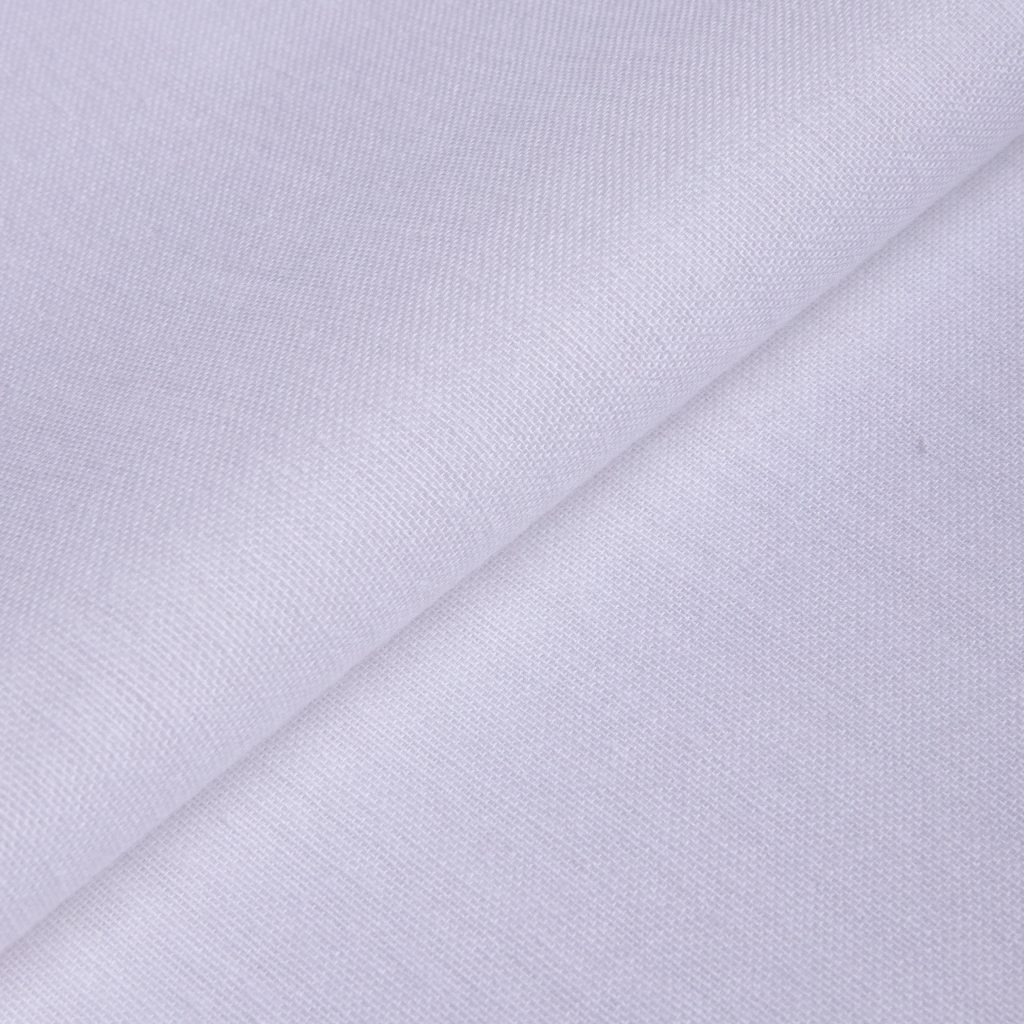
Linen is another natural fabric that excels in limiting sweating. Its structure is characterized by excellent breathability, allowing the skin to breathe and maintaining a feeling of dryness. Additionally, linen absorbs moisture, making clothes made from this material comfortable to wear, especially on hot days.
Viscose
Viscose, as an artificial material, provides an excellent alternative to natural fabrics. Its lightness, softness, and excellent ventilation make it suitable for those seeking anti-sweat properties. Viscose absorbs moisture, maintaining a feeling of freshness even with increased physical activity. More about viscose can be found HERE.
Wool
Although wool is commonly known for its thermal insulation properties, in the form of thin natural fabrics, it can also be friendly to individuals wishing to avoid excessive sweating. Its structure allows excellent ventilation, providing a sense of comfort in both cooler and warmer days.
Silk
Silk is a luxurious material that regulates body temperature perfectly. Its ability to cool or warm the skin depending on weather conditions makes it an excellent choice throughout the year. Silk is lightweight, breathable, and pleasant to the touch, providing a feeling of elegance and comfort while wearing it. More about silk can be found HERE.
Fabrics that cause the most sweating
Among the various materials used in clothing production, synthetic ones such as polyamide, nylon, or acrylic are often associated with the problem of retaining moisture. Despite their durability and stretch resistance, they tend to accumulate moisture on the outer surface of the fabric. This phenomenon can lead to trapping moisture on the body’s surface, causing discomfort even with minimal physical exertion.
Polyamide and nylon, primarily used to produce sportswear, have low breathability, causing sweat moisture to remain on the skin instead of being expelled outside. These properties create ideal conditions for moisture and heat buildup, leading to a sticky and uncomfortable feeling.
Acrylic, despite its characteristic thermal insulation properties and often being used as a substitute for wool, also tends to retain moisture. Wearing garments made of acrylic, especially in high humidity conditions or during physical activity, can cause discomfort associated with excessive sweating.
Which fabrics to choose to avoid sweating?
Choosing the right fabric is crucial for wearing comfort. By opting for natural fabrics like cotton, linen, viscose, wool, or silk, one can avoid excessive sweating. Synthetic fabrics like polyamide, nylon, or acrylic may contribute to discomfort associated with moisture. Remember this when choosing clothes, especially depending on weather conditions and activities you plan to engage in. The right material can make you feel fresh and comfortable throughout the day.